Homemade Fettuccine Alfredo: Creamy and Velvety
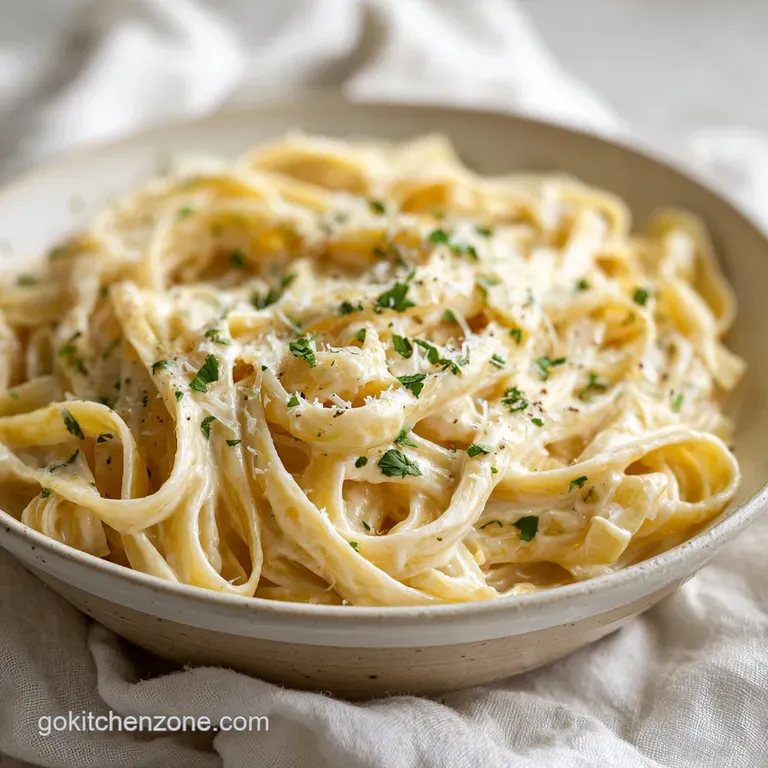
- Time: Active 5 minutes, Passive 15 minutes, Total 20 minutes
- Flavor/Texture Hook: Glossy, buttery, and incredibly velvety
- Perfect for: Stress free weeknight dinners or quick date nights
- Mastering This Creamy Homemade Fettuccine Alfredo
- Essential Recipe Performance Metrics
- Selecting Your Pantry Staples
- Recommended Kitchen Tools
- Step-by-Step Cooking Process
- Avoiding Common Kitchen Mistakes
- Ingredient Swaps and Variations
- Maintaining Freshness and Storage
- Perfect Plates and Pairings
- Very High in Sodium
- Recipe FAQs
- 📝 Recipe Card
Mastering This Creamy Homemade Fettuccine Alfredo
We’ve all been there with the classic dinner struggle. You’re craving something indulgent, so you throw some butter and pre shredded cheese into a pan, only to end up with a rubbery, clumped up mess and a pool of yellow oil. It’s frustrating when you're hungry and just want a win.
I remember one specific Tuesday where I actually cried over a pot of broken sauce because the cheese refused to melt and just sat there like a stubborn ball of wax. That’s the exact failure this recipe is designed to fix.
If you’ve ever had pasta that felt heavy or sat like a brick in your stomach, it’s usually because the sauce didn’t properly emulsify. We aren't just melting cheese here; we are building a structural bridge between fat and water.
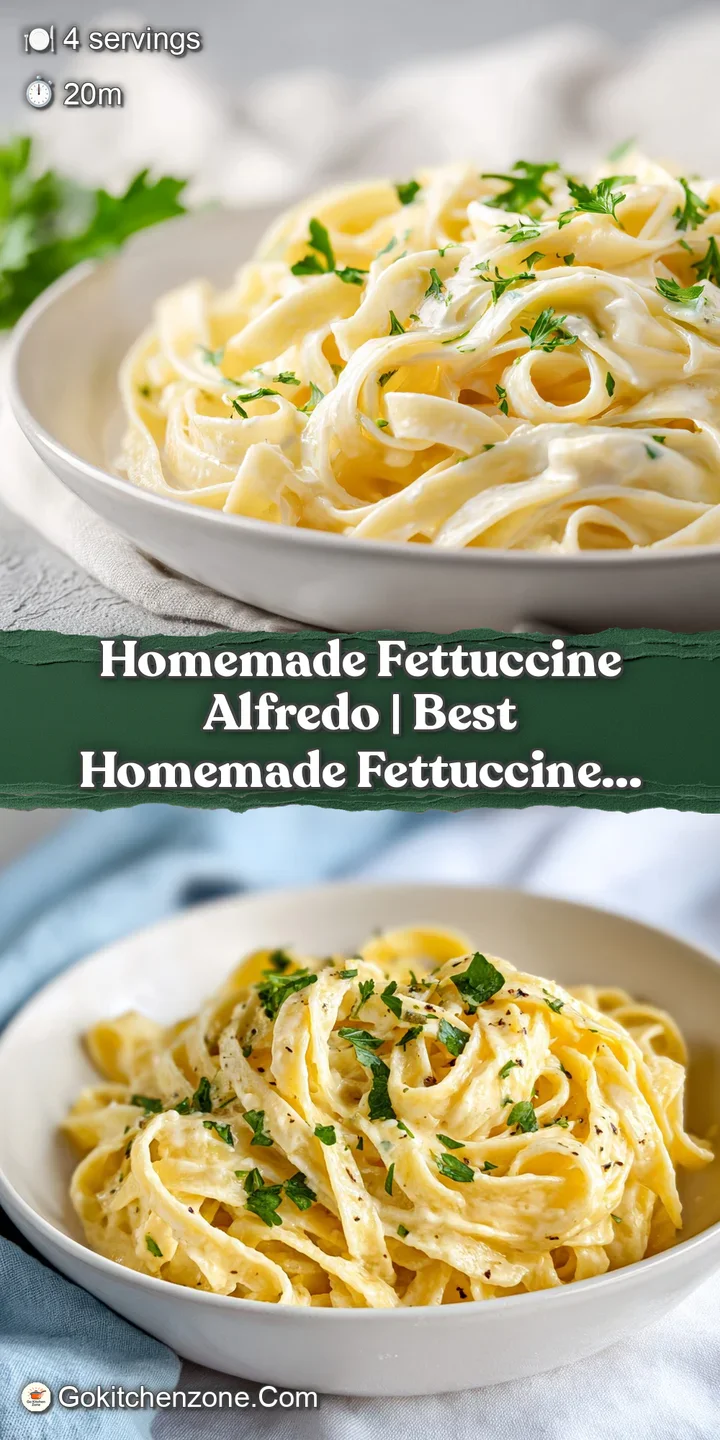
It sounds complicated, but it’s actually just about timing and temperature. When you get it right, the sauce doesn't just sit on the pasta, it clings to it like a silk glove. You’ll get that perfect, glossy finish that makes the noodles slip and slide against each other in the most satisfying way.
This version of Fettuccine Alfredo focuses on reliability. We’re using heavy cream as a stabilizer, which is a bit of a "budget smart" trick because it’s way more forgiving than the traditional butter and cheese only method. It prevents the sauce from splitting if you accidentally turn the heat up too high.
By the time you finish this, you'll have a 20 minutes masterpiece that looks like it cost $30 at a white tablecloth joint, but really only cost you a few bucks in basic ingredients.
Essential Recipe Performance Metrics
Understanding the "why" behind the sizzle is what separates a cook from a recipe follower. In this dish, the magic happens through a process of reduction and suspension. By simmering the cream, we’re evaporating just enough water to thicken the liquid without needing flour or cornstarch.
This keeps the flavor pure and the texture light.
- The Starch Bridge: Pasta water isn't just salty liquid; it’s a liquid binder that helps the heavy fats in the butter and cheese "stick" to the smooth surface of the noodles.
- Thermal Stability: Adding cheese to a boiling liquid causes the proteins to tighten and clump; whisking it into a over low heat simmer allows it to melt gradually into a smooth suspension.
- Fat Infusion: Sizzling the smashed garlic in butter for exactly 2 minutes releases essential oils that permeate the fat, providing a deep, aromatic background without the harshness of chopped raw garlic.
Before we jump into the details, let's look at how this method stacks up against the "box" version or the hyper traditional version. Most people struggle with Alfredo because they try to rush the melting process. If you go too fast, you lose the texture. If you go too slow, the pasta gets cold.
We're looking for that sweet spot in the middle.
| Method | Time | Texture | Best For |
|---|---|---|---|
| Traditional (Butter/Cheese) | 10 minutes | Very light, but unstable | Experienced cooks |
| This Cream Method | 20 minutes | Velvety and consistent | Weeknight reliability |
| Jarred Sauce Shortcut | 5 minutes | Often thick and bland | Emergency only |
The beauty of this specific approach is that it's nearly impossible to mess up if you follow the heat cues. The cream acts as a safety net, holding the Parmesan in place so it doesn't turn into a grainy disaster. This is the "one pan" philosophy at its best minimal cleanup, maximum flavor impact.
Selecting Your Pantry Staples
You don't need a gourmet market to make this happen. In fact, some of the best results come from simple, high-quality grocery store finds. The key is knowing which ingredients to spend an extra dollar on and which ones you can go generic with.
For instance, high-quality European butter has less water and more fat, which leads to a richer mouthfeel.
| Ingredient | Science Role | Pro Secret |
|---|---|---|
| Heavy Cream | Emulsion base | Don't use "Half and Half" or the sauce will be too thin to coat the noodles. |
| Parmesan Reggiano | Flavor & Thickener | Grate it yourself on a microplane; pre shredded cheese is coated in potato starch that prevents melting. |
| Starchy Water | Binding agent | Scoop the water out right before draining the pasta for maximum starch concentration. |
For the pasta, 1 lb fettuccine is the standard. If you're looking for a slightly different vibe, you could check out my Tortellini Alfredo which uses the same base logic but with stuffed pasta.
- 1 lb fettuccine: Why this? The wide surface area is perfect for catching and holding the thick cream sauce.
- 2 tbsp sea salt: Why this? This is your only chance to season the pasta itself from the inside out.
- 1/2 cup unsalted high-quality European butter: Why this? Higher fat content means a silkier finish and better flavor than standard butter.
- 1 1/2 cups heavy cream: Why this? Provides the fat structure needed to keep the cheese from clumping up.
- 2 cups freshly grated Parmesan Reggiano: Why this? Authentic aged cheese provides the salty, nutty punch that makes the dish.
- 2 cloves garlic, smashed and peeled: Why this? Smashing releases flavor without adding the bitter texture of minced bits.
- 1/2 tsp freshly cracked black pepper: Why this? Freshly ground pepper has floral notes that pre ground pepper loses instantly.
- 1/4 tsp ground nutmeg: Why this? A tiny amount enhances the nuttiness of the cheese and the richness of the cream.
- 1/2 cup reserved starchy pasta water: Why this? Acts as the "glue" that marries the sauce to the fettuccine strands.
Recommended Kitchen Tools
You don't need fancy gadgets, but a few specific tools make the process much smoother. A heavy bottomed deep skillet is non negotiable. If you use a thin pan, the cream will scorch at the bottom before the rest of it even gets warm. I usually reach for my 12 inch cast iron or a heavy stainless steel pan.
A microplane or fine grater is your best friend here. If the cheese is grated into "snow," it melts instantly. If it’s in thick shreds, it takes longer to melt, which increases the risk of the sauce breaking. You also want a good set of tongs.
Trying to toss fettuccine with a spoon is a recipe for a messy stove and unevenly coated noodles.
Chef's Tip: Freeze your block of Parmesan for 10 minutes before grating. It makes the cheese firmer and prevents it from getting soft and gummy while you're trying to grate two whole cups.
step-by-step Cooking Process
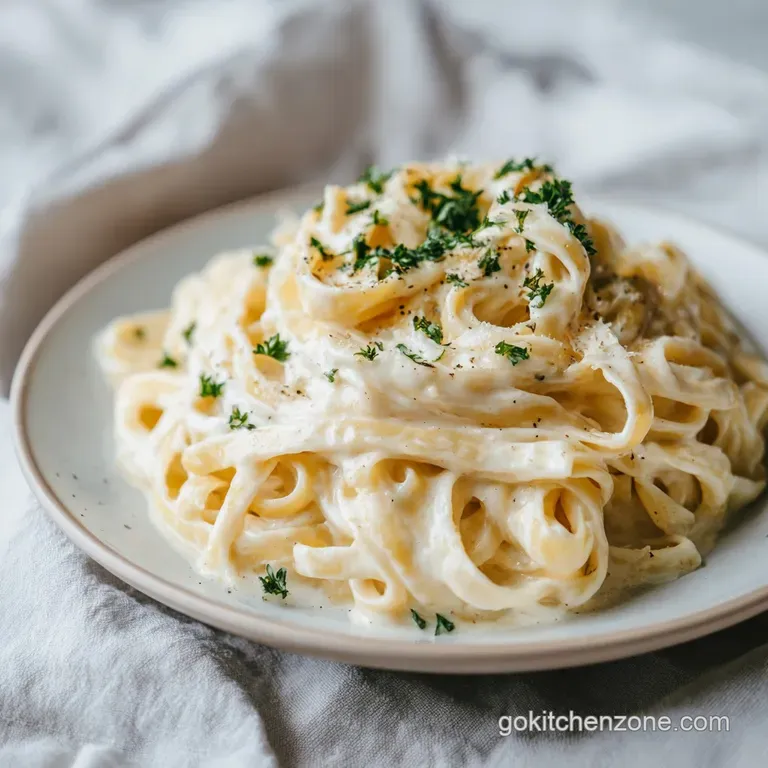
- Bring a large stockpot of water to a rolling boil and add 2 tablespoons of sea salt. Note: The water should taste like the sea to properly season the pasta.
- Add the fettuccine and cook for 1-2 minutes less than the package directions until slightly firmer than al dente. Note: The pasta will finish cooking in the sauce later.
- Before draining the pasta, reserve at least 1/2 cup of the starchy pasta water using a heat safe measuring cup.
- In a heavy bottomed deep skillet, melt the butter over medium low heat until it starts to foam slightly.
- Add smashed garlic cloves and sizzle for 2 minutes to infuse the butter, then remove and discard the garlic. Note: This gives a subtle aroma without the bite of raw garlic.
- Pour the heavy cream into the skillet and bring to a gentle simmer. Maintain the simmer for 3-5 minutes until the cream is thick enough to coat a spoon.
- Whisk in the black pepper and nutmeg.
- Reduce heat to low and gradually whisk in the micro grated Parmesan Reggiano until the sauce is completely smooth and glossy.
- Add the cooked fettuccine and the reserved pasta water to the skillet.
- Toss vigorously with tongs for 1-2 minutes until every strand is coated in a velvety glaze.
Avoiding Common Kitchen Mistakes
The biggest pitfall is heat management. Most people keep the burner too high when they add the cheese. If the sauce is boiling hard, the Parmesan proteins will denature and turn into those annoying little grains that feel like sand in your mouth. Always drop the heat to the lowest setting before the cheese goes in.
Preventing a Grainy Texture
This usually happens because of pre shredded cheese or high heat. Pre shredded cheese contains cellulose to keep it from sticking in the bag, but that same cellulose prevents it from melting smoothly into your sauce.
If your sauce is already grainy, you can sometimes save it by adding a tiny splash of extra cream and whisking like your life depends on it over very low heat.
| Problem | Root Cause | Solution |
|---|---|---|
| Sauce is oily/split | Heat was too high | Add a tablespoon of cold cream and whisk vigorously off the heat. |
| Cheese is clumping | Cheese added too fast | Add cheese 1/4 cup at a time, whisking until fully melted before adding more. |
| Pasta is dry | Not enough pasta water | Splash in more reserved water 1 tablespoon at a time until glossy. |
Rescuing a Thin Sauce
If your sauce looks more like soup than a glaze, don't panic. The pasta water contains starch that needs a moment to activate. Toss the pasta in the sauce for an extra 60 seconds over low heat. The friction of the noodles rubbing together releases even more starch, which acts as a natural thickener.
- ✓ Grate your own cheese to ensure a smooth melt.
- ✓ Reserve pasta water before you even think about draining.
- ✓ Use a wide skillet to allow the cream to reduce quickly and evenly.
- ✓ Don't overcook the pasta in the water; it must be "toothsome" to survive the final toss.
- ✓ Serve immediately on warmed plates to keep the sauce from seizing up.
Ingredient Swaps and Variations
If you're looking to save a bit of money or just don't have everything on hand, there are smart ways to pivot without losing that decadent feeling. For instance, if you don't have Parmesan Reggiano, a good quality Pecorino Romano works, but keep in mind it’s much saltier, so you might want to scale back on the added sea salt.
If you’re in the mood for something more complex, you can try my Cajun Chicken Orzo which brings a similar creamy vibe but with a spicy, bold kick. For this recipe, though, let's look at some direct swaps.
| Original Ingredient | Substitute | Why It Works |
|---|---|---|
| Heavy Cream | Whole Milk + 1 tsp Flour | Thinner result. Note: You must cook the flour with the butter first to thicken. |
| Fettuccine | Linguine or Spaghetti | Same wheat base. Note: Slightly different mouthfeel but holds sauce well. |
| Parmesan Reggiano | Grana Padano | Similar texture. Note: A bit milder and often significantly cheaper. |
If you want to scale this down for a solo dinner, just cut everything in half. For scaling up, be careful with the spices. If you double the recipe, only use 1.5x the pepper and nutmeg at first. You can always add more, but you can't take it out.
When cooking for a crowd (8+ people), work in two separate batches of sauce so the pan doesn't get overcrowded and the temperature stays stable.
Maintaining Freshness and Storage
Fettuccine Alfredo is notoriously finicky when it comes to leftovers. The fats solidify in the fridge, and if you just stick it in the microwave, you'll end up with oily noodles and a dry clump of cheese. For storage, it stays good in an airtight container in the fridge for up to 3 days.
I don't recommend freezing this dish, as the cream and cheese will separate and become grainy upon thawing.
To reheat, the "low and slow" method is your best bet. Put the pasta in a small skillet with a splash of milk or extra cream. Heat it over low, stirring constantly, until the sauce re emulsifies.
For a zero waste tip: if you have leftover sauce but no pasta, use it as a base for a white pizza or as a dipping sauce for breadsticks. Even the garlic cloves you removed can be mashed into some butter for an easy garlic bread.
Perfect Plates and Pairings
This dish is rich, so it needs something bright or acidic to cut through the fat. A simple arugula salad with a lemon vinaigrette is my go to. The peppery bite of the greens balances the heavy cream perfectly. If you want to add protein, sliced grilled chicken or sautéed shrimp are the classic choices.
If you want to lean into the restaurant at-home experience, you can find more inspiration with my Olive Garden Alfredo Sauce post, which focuses on that specific chain's flavor profile.
One thing to avoid: don't serve this with a heavy, cheesy side dish. You already have 2 cups of Parmesan in the pasta. Instead, go for roasted broccoli or asparagus. The charred edges of the vegetables provide a nice textural contrast to the soft, silky noodles.
And honestly, a crisp glass of Pinot Grigio wouldn't hurt either. It's the kind of meal that makes you forget you're sitting in your own kitchen on a random Wednesday night.
Dispelling Dairy Myths
One major misconception is that you need flour or a roux to make "the best homemade fettuccine alfredo." In reality, a traditional or high end cream based Alfredo relies entirely on reduction and cheese for its thickness.
Adding flour creates a "gravy" texture that can feel heavy and muffle the delicate flavor of the butter and nutmeg.
Another myth is that you can't use garlic in an "authentic" Alfredo. While the 1920s version from Rome didn't use it, the modern homemade fettuccine alfredo from scratch has evolved.
Using smashed cloves to infuse the butter provides that aromatic depth we love without breaking any culinary "laws." It’s about building layers of flavor rather than just dumping everything into a pot and hoping for the best.
Finally, some people think you have to use fresh pasta for a "best homemade fettuccine alfredo recipe." While fresh pasta is lovely, high-quality dried pasta (especially the ones with a rough, bronze cut texture) actually holds onto the sauce better.
The rough surface creates tiny nooks and crannies for the cream to settle into, ensuring every bite is as flavorful as the last. It's a budget friendly choice that actually yields a superior technical result.
Very High in Sodium
875 mg 875 mg (38% 38%)
The American Heart Association recommends limiting sodium intake to less than 2,300mg per day.
Tips to Reduce Sodium
-
Halve Added Salt-25%
Reduce the 2 tbsp of sea salt used for cooking the fettuccine to 1 tbsp. This is the largest source of sodium in this recipe.
-
Reduce Parmesan Cheese-15%
Lower the amount of freshly grated Parmesan Reggiano from 2 cups to 1.5 cups. While Parmesan is delicious, it's a significant sodium contributor.
-
Flavor with Herbs and Spices
Enhance flavor without sodium by liberally using fresh or dried herbs like parsley, basil, or chives, and consider adding a pinch of red pepper flakes for a kick.
-
Use Unsalted Butter
You are already using unsalted butter, which is great! Continue to use unsalted varieties to avoid unnecessary sodium.
-
Maximize Garlic Flavor
Ensure you use the 2 smashed cloves of garlic. Roasting the garlic slightly before adding can intensify its flavor, allowing you to rely less on salt.
Recipe FAQs
Is it true that adding cream to the pan is the only way to get a silky sauce?
No, this is a common misconception. While heavy cream creates a rich base, the real secret is the emulsification process; if you mastered the emulsification technique used here, you can achieve a glossy, stable sauce using only pasta water, butter, and cheese.
How to keep the Parmesan from clumping in the sauce?
Whisk the cheese in gradually over low heat. Adding it all at once causes the proteins to seize, so incorporate it in small handfuls while constantly moving the sauce to ensure it melts into a smooth, homogeneous glaze.
Why must I cook the pasta for 1-2 minutes less than the package directs?
The pasta needs to finish cooking directly in the sauce. If you cook it to full doneness in the water, it will become mushy and absorb too much sauce once tossed in the skillet.
How to fix a sauce that looks too thick or pasty?
Add a splash more of the reserved starchy pasta water. The starch in the water helps loosen the texture and re-emulsify the fats, bringing the sauce back to a glossy consistency.
Can I use pre-grated Parmesan for this recipe?
No, avoid pre-grated cheese. It is coated in anti caking agents like cellulose that prevent it from melting properly, which will leave your sauce grainy instead of silky.
How to ensure the garlic flavor is subtle but present?
Sizzle the smashed cloves in the melted butter for exactly 2 minutes. Removing the cloves before adding the cream ensures the infused aroma remains without the harsh bite of cooked garlic pieces in the final dish.
How to properly store leftovers?
Place the pasta in an airtight container in the refrigerator for up to two days. When reheating, add a small amount of water to the pan to help the sauce emulsify and smooth out again.
Homemade Fettuccine Alfredo
Ingredients:
Instructions:
Nutrition Facts:
| Calories | 1106 calories |
|---|---|
| Protein | 33.5 g |
| Fat | 68.5 g |
| Carbs | 89.2 g |
| Fiber | 3.8 g |
| Sugar | 2.4 g |
| Sodium | 875 mg |
