Healthy Garlic Parmesan Chicken Pasta
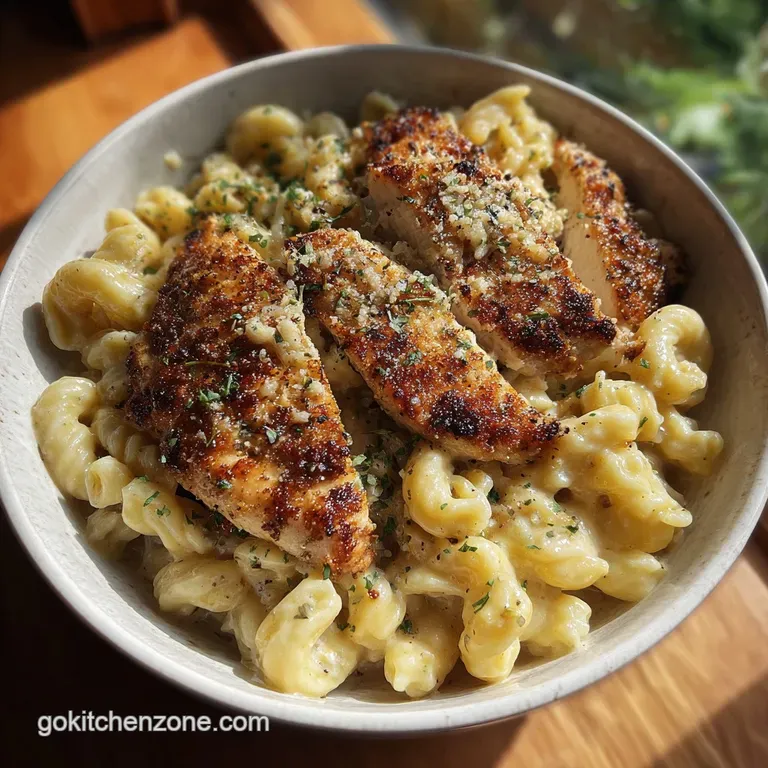
- Time: Active 10 minutes, Passive 20 minutes, Total 30 minutes
- Flavor/Texture Hook: Tangy, garlicky, and silky smooth
- Perfect for: Busy weeknight fuel or high protein meal prep
- Why This High Protein Meal Actually Works
- Breaking Down the Science of Our Ingredients
- Pantry Staples and Smart Budget Friendly Substitutions
- Essential Kitchen Tools for a Perfect Result
- Easy Steps for Cooking This Chicken Pasta
- Fixing Common Pasta Mistakes and Sauce Issues
- Simple Ways to Adapt This for Diets
- How to Store and Reheat Your Leftovers
- Plating Your Pasta Like a Professional Chef
- Recipe FAQs
- 📝 Recipe Card
Imagine the sound of garlic hitting warm olive oil, that immediate sizzle followed by an aroma that fills your entire kitchen. We've all been there: staring at a box of pasta and some chicken breasts, wondering how to make it feel like a real meal without spending forty minutes over a stove.
I used to reach for heavy cream every time, but honestly, that usually ends with me feeling sluggish and my budget feeling a bit lighter than I'd like.
After plenty of trial and error in my own kitchen, I found a way to get that same decadent mouthfeel using ingredients you likely already have in your fridge. It turns out that Greek yogurt and a little bit of liquid gold (otherwise known as starchy pasta water) create a sauce that clings to every noodle without the grease.
It's a total win for anyone trying to hit high protein goals without sacrificing that savory parmesan punch.
We're going to keep things simple and budget friendly here. By focusing on technique rather than expensive imports, we can turn 1.5 lbs of chicken breasts and a few pantry staples into a dinner that looks like it cost twice as much to make.
Right then, let's look at why this specific combination actually works on a molecular level.
Why This High Protein Meal Actually Works
Developing a creamy sauce without cream requires a bit of culinary physics. Here is the breakdown of the science behind our healthy garlic parmesan chicken pasta.
- Protein Denaturation: Searing the diced chicken at a high temperature causes the proteins to uncoil and bond, creating a firm but juicy texture while developing a flavorful crust.
- Starch Gelatinization: As the whole wheat penne boils, it releases amylose into the water, which acts as a natural thickener when we build the sauce later.
- Emulsification Stability: The lactic acid in Greek yogurt acts as a stabilizer, helping the fats from the parmesan cheese and olive oil bond with the pasta water for a silky finish.
- The Maillard Reaction: By browning the chicken with smoked paprika, we create complex flavor compounds that go far beyond simple salt and pepper.
Starchy Water Emulsification
When you boil pasta, don't think of the water as waste. It is a concentrated starch solution. When we whisk this into our Greek yogurt and cheese, the starch molecules physically get in the way of the yogurt proteins clumping together.
This is the secret to a sauce that stays smooth rather than turning into a grainy mess.
Maillard Response for Depth
The 1 tsp of smoked paprika isn't just for color. When exposed to the heat of the pan, the sugars and amino acids in the chicken react to create that characteristic "seared" flavor. This provides a smoky backbone that cuts through the richness of the 0.5 cup of parmesan cheese.
Temperature Buffered Greek Yogurt
Adding cold yogurt directly to a boiling pan is a recipe for disaster. The sudden heat shock causes the proteins to tighten and squeeze out liquid, resulting in curdling. We use the reserved pasta water to slowly bring the yogurt up to temperature, a technique known as tempering, which ensures a velvety result every single time.
Breaking Down the Science of Our Ingredients
Understanding your components helps you make better decisions at the grocery store. Here is how our primary players contribute to the final dish.
| Ingredient | Science Role | Pro Secret |
|---|---|---|
| Fresh Garlic (6 cloves) | Allicin development | Mince and let sit for 10 mins before cooking to maximize flavor. |
| Greek Yogurt (0.5 cup) | Acidic tenderizer | Use full fat or 2% for better stability against high heat. |
| Parmesan (0.5 cup) | Salt & Umami | Grate it yourself; pre shredded has cellulose that prevents melting. |
| Reserved Water (1 cup) | Binding agent | Scoop the water right before draining for maximum starch density. |
The choice of whole wheat penne or chickpea pasta isn't just about nutrition. These varieties have a rougher surface texture compared to standard white pasta, which gives the sauce something to "grip" onto. If you have ever had a bowl of pasta where all the sauce sits at the bottom, it's often because the noodle was too smooth. Similar to the technique used in our Cowboy Butter Chicken Pasta recipe, the goal is total coverage.
Pantry Staples and Smart Budget Friendly Substitutions
You don't need a gourmet market to make this happen. Here is what you need and how to swap it if you are in a pinch.
- Chicken Breasts (1.5 lbs): Diced into 1 inch pieces. Why this? It's the leanest protein and absorbs the garlic flavor beautifully.
- Substitute: Chicken thighs (higher fat, but more forgiving if overcooked).
- Smoked Paprika (1 tsp): Provides the "charred" flavor profile.
- Substitute: Liquid smoke (1 drop) or extra black pepper.
- Whole Wheat Penne (8 oz): Provides 5.9 g of fiber per serving.
- Substitute: Chickpea pasta for even higher protein.
- Grated Parmesan (0.5 cup): The salty, nutty backbone of the dish.
- Substitute: Nutritional yeast (2 tbsp) for a lower calorie, dairy-free hint.
- Plain Non fat Greek Yogurt (0.5 cup): The cream substitute. Why this? It adds 68.3 g of protein per serving when combined with chicken.
- Substitute: low-fat sour cream (though it has less protein).
- Fresh Baby Spinach (2 cups): Adds volume and micronutrients.
- Substitute: Chopped kale or steamed broccoli florets.
- Extra Virgin Olive Oil (1 tbsp): To sear the chicken and carry flavor.
- Substitute: Avocado oil or a small pat of butter.
| Original Ingredient | Substitute | Why It Works |
|---|---|---|
| 8 oz Whole Wheat Penne | 8 oz Chickpea Pasta | High protein, similar structure. Note: Cook 1 min less than package. |
| 6 Cloves Fresh Garlic | 1.5 tsp Garlic Powder | Concentrated flavor. Note: Won't have the same buttery texture as fresh. |
| 2 Cups Baby Spinach | 1 Cup Frozen Spinach | Same nutrients. Note: Squeeze all water out before adding to prevent sogginess. |
If you are looking for a party starter before this meal, check out this Garlic Parmesan appetizer bites recipe which uses similar flavor profiles but in a bite sized format.
Essential Kitchen Tools for a Perfect Result
You don't need a fancy setup, but two specific pans make this much easier. I usually go for a large non stick skillet for the chicken and a deep stockpot for the pasta.
- Large Skillet: Use one with enough surface area so the 1.5 lbs of chicken isn't crowded. Crowding leads to steaming rather than searing.
- Microplane or Grater: Freshly grating your 0.5 cup of parmesan is non negotiable for a smooth sauce.
- Tongs: These are much better than a spoon for tossing the spinach into the hot pasta at the end.
- Liquid Measuring Cup: Essential for catching that 1 cup of pasta water before you dump it all down the sink.
Chef's Tip: Freeze your block of parmesan for 10 minutes before grating. It makes the cheese firmer and prevents it from clumping or melting from the heat of your hands as you grate.
Easy Steps for Cooking This Chicken Pasta
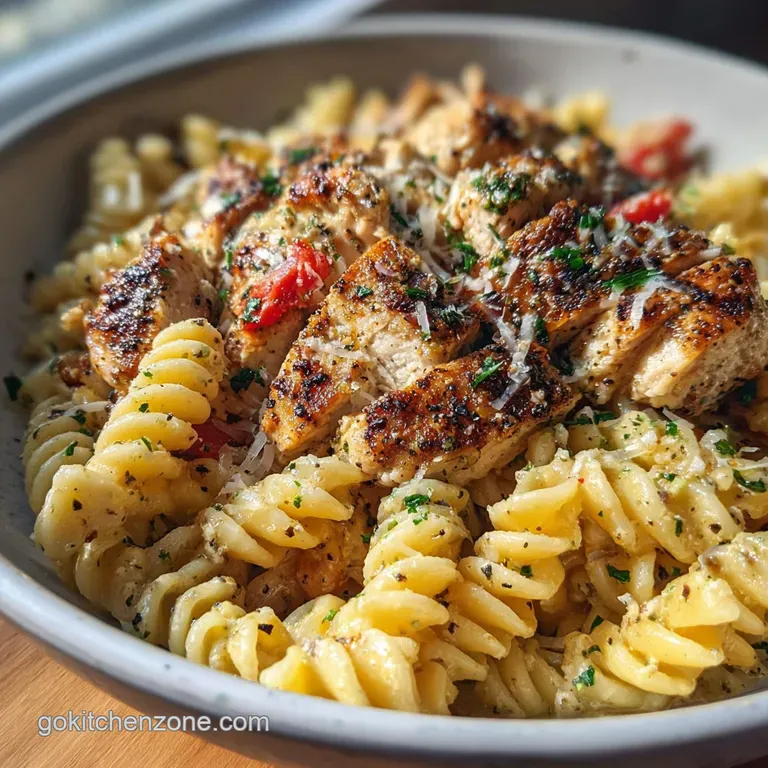
Let's get into the actual cooking. Follow these steps for a result that isn't just "good for being healthy" but genuinely tasty.
- Boil water. Use a large pot with plenty of salt. Note: The water should taste like the sea.
- Cook pasta. Add 8 oz whole wheat penne and cook until just under al dente. It will finish cooking in the sauce later.
- Season chicken. Toss 1.5 lbs diced chicken with 1 tsp smoked paprika and 0.5 tsp salt.
- Sear chicken. Heat 1 tbsp olive oil in a skillet. Cook chicken until golden brown on all sides (about 6-8 mins).
- Sauté aromatics. Push chicken to the side and add 6 cloves minced garlic and 0.25 tsp red pepper flakes. Cook until fragrant but not brown (about 1 min).
- Reserve water. Carefully scoop out 1 cup of pasta water before draining the noodles.
- Temper yogurt. In a small bowl, slowly whisk 0.25 cup of the hot water into 0.5 cup Greek yogurt. Note: This prevents the sauce from breaking.
- Build sauce. Lower skillet heat. Add drained pasta, yogurt mixture, and 0.5 cup parmesan cheese.
- Wilt greens. Toss in 2 cups baby spinach. Add more pasta water as needed until the sauce is glossy and the spinach is bright green.
- Final finish. Remove from heat and stir in 1 tbsp chopped parsley.
Precision Checkpoints
- Chicken Temperature: Use a meat thermometer to ensure the chicken hits 74°C. This keeps it juicy without being rubbery.
- Pasta Timing: Remove the penne from the water 2 minutes before the box says "al dente". It needs that time to soak up the sauce in the pan.
- Liquid Ratio: You might not need the full 1 cup of pasta water. Start with half and add more until the "slurp" sound is audible when you toss the noodles.
Fixing Common Pasta Mistakes and Sauce Issues
Even the best cooks have days where the sauce doesn't cooperate. Here is how to handle the most common "dinner struggles."
Why Is My Sauce Grainy?
If the sauce looks like it has little white dots in it, the Greek yogurt likely curdled. This happens if the pan is too hot or if the yogurt was added straight from the fridge. To fix it next time, ensure the heat is on low before adding the dairy.
If it's already grainy, you can sometimes save it by adding a splash of milk and whisking vigorously, though the texture won't be perfectly velvety.
Why Is the Pasta Sticky?
Sticky pasta usually means there wasn't enough water in the pot or it wasn't tossed with the sauce quickly enough. When you add the 8 oz of penne back into the skillet, make sure you have that reserved water ready. The water acts as a lubricant.
If it's already stuck, add a tablespoon of water at a time and keep moving the pasta with tongs.
Avoiding Rubbery Chicken
Overcooking is the enemy of the chicken breast. Once the chicken hits 74°C, it's done. If you leave it in the pan while you wait for the pasta to finish, it will turn into erasers. Remove the chicken from the pan once seared and add it back at the very end when you are tossing everything together.
| Problem | Root Cause | Solution |
|---|---|---|
| Thin, watery sauce | Too much water, not enough cheese | Add 1 tbsp extra parmesan and simmer for 1 min. |
| Bland flavor | Lack of salt or acid | Add a squeeze of fresh lemon juice or an extra pinch of salt. |
| Dry chicken | Cooked too long at high heat | Slice thinner next time or use a thermometer to pull at 74°C. |
Simple Ways to Adapt This for Diets
This recipe is already quite balanced, but we can tweak it further depending on your specific needs.
- If you want it low carb: Replace the 8 oz of pasta with 3 cups of zoodles (zucchini noodles) or spaghetti squash. Skip the boiling step and just sauté the vegetable noodles for 2 minutes before adding the sauce.
- If you want it even higher protein: Use chickpea pasta and add a scoop of unflavored collagen peptides to the yogurt mixture.
- If you want it more decadent: Use 2 tbsp of butter instead of olive oil to sear the chicken.
Stovetop vs. Oven Preparation
While I prefer the stovetop for the healthy garlic parmesan chicken pasta, you can do a baked version.
| Feature | Stovetop (Recommended) | Oven (Baked) |
|---|---|---|
| Texture | Creamy and glossy | Crispy top, denser sauce |
| Speed | 30 minutes total | 45 minutes total |
| Difficulty | Requires active tossing | Mostly hands off |
Decision Shortcut
- If you want a thicker, restaurant style sauce, add an extra 0.25 cup of parmesan cheese.
- If you want a spicier kick, double the red pepper flakes and add a dash of cayenne.
- If you want a fresher finish, add the zest of one lemon right before serving.
How to Store and Reheat Your Leftovers
This makes for an incredible lunch the next day, provided you store it correctly.
- Fridge: Keep in an airtight container for up to 4 days.
- Freezer: I don't recommend freezing this particular recipe. Greek yogurt sauces tend to separate and become watery when thawed and reheated.
- Reheating: This is where people go wrong. Don't just microwave it on high. Add a splash of water or milk to the bowl, cover it, and microwave in 30 second increments. This creates steam that thins the sauce back out to its original glory.
Zero Waste Tips
Don't throw away those spinach stems! They contain a lot of fiber and crunch. Finely chop them and sauté them with the garlic for extra texture. Also, if you have leftover parmesan rinds, throw them into your next pot of vegetable soup to add a massive hit of savory flavor.
Plating Your Pasta Like a Professional Chef
We eat with our eyes first, and a pile of beige pasta can look a bit dull. Here is how to make it "pop" on the plate.
First, use a wide, shallow bowl rather than a deep one. This allows the 2 cups of baby spinach to stay visible on top rather than getting buried at the bottom. Use your tongs to swirl the pasta into a nest in the center of the bowl, then spoon the remaining chicken and sauce over the top.
Finish with the 1 tbsp of chopped parsley and a final, light grating of parmesan. A quick crack of fresh black pepper adds visual contrast against the white sauce. It's a small step, but it makes the difference between a "thrown together" weeknight meal and a dinner you'd actually want to share with friends.
Trust me, once you see how that glossy sauce catches the light, you'll never go back to the jarred stuff.
One last thing: stay away from the myth that you need to rinse your pasta. Rinsing washes away the very starch we need to make the sauce stick. Keep that starch, keep the flavor, and you'll have a healthy garlic parmesan chicken pasta that rivals any bistro in town. Let's crack on and get cooking!

Recipe FAQs
Can I use chicken thighs instead of breasts?
Yes, chicken thighs work well. They have more fat, making them more forgiving if slightly overcooked, and absorb garlic flavor beautifully, similar to the chicken used in our Cowboy Butter Chicken Pasta.
What's the best way to ensure a creamy sauce without curdling?
Temper the Greek yogurt before adding it to the pan. Slowly whisk a portion of the hot pasta water into the yogurt in a separate bowl to gradually raise its temperature, preventing the proteins from seizing up and causing curdling.
Why is my pasta sauce grainy?
The sauce is likely grainy because the Greek yogurt curdled. This usually happens if the pan is too hot when the yogurt is added or if cold yogurt was added directly to the heat. Ensure the heat is low before incorporating the dairy.
Can I make this recipe ahead of time?
Yes, you can sauté the chicken up to 2 days in advance for faster assembly. For best results, assemble the full dish closer to serving time as the sauce is freshest and creamiest when made right before eating.
What is the role of the reserved pasta water?
The reserved pasta water acts as a crucial thickening and emulsifying agent. The starch released from the pasta binds with the yogurt and cheese, creating a silky, glossy sauce that coats the noodles perfectly.
How do I store and reheat leftovers?
Store in an airtight container in the fridge for up to 4 days; do not freeze. To reheat, add a splash of water or milk, cover, and microwave in short bursts to restore the sauce's consistency.
Can I use regular pasta instead of whole wheat?
Yes, you can substitute regular pasta. However, whole wheat or chickpea pasta has a rougher texture that helps the sauce cling better, much like the principle of total noodle coverage we aim for in recipes like Cowboy Butter Chicken Pasta.
Garlic Parmesan Chicken Pasta
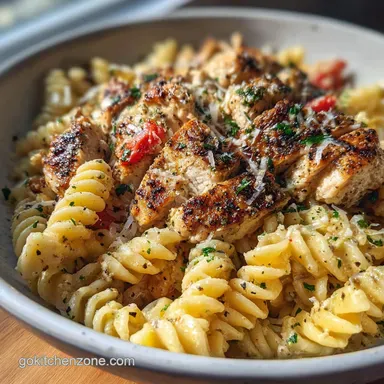
Ingredients:
Instructions:
Nutrition Facts:
| Calories | 584 kcal |
|---|---|
| Protein | 68.3 g |
| Fat | 14.0 g |
| Carbs | 41.9 g |
| Fiber | 5.9 g |
| Sugar | 3.1 g |
| Sodium | 463 mg |
