Fluffy Scrambled Eggs: Velvety Curds
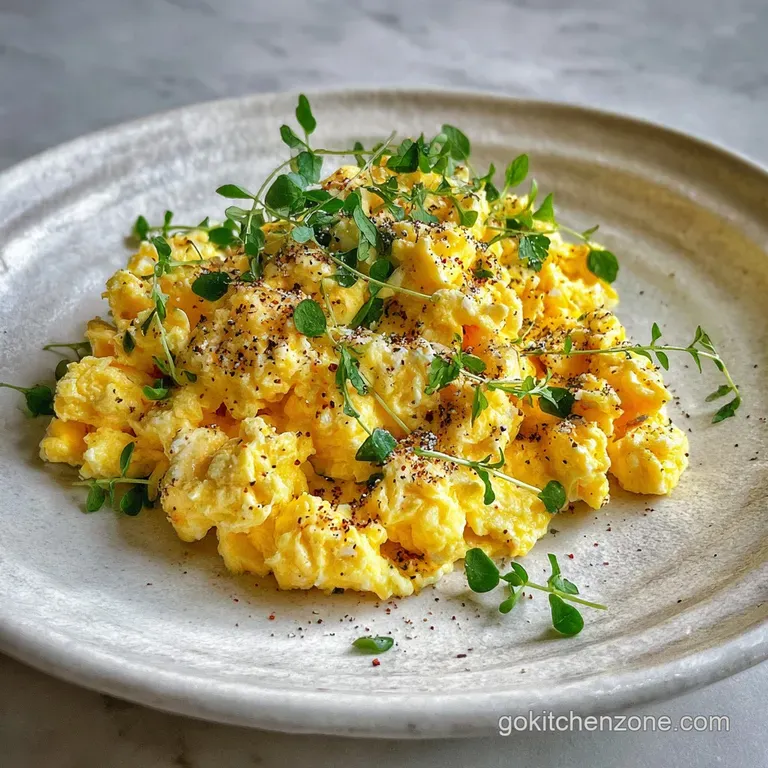
- Time: Active 15 minutes, Passive 5 minutes, Total 20 minutes
- Flavor/Texture Hook: Velvety, cloud like curds with a rich buttery finish
- Perfect for: Quick weekday mornings or a cheap, high protein dinner
- Simple Steps for Fluffy Scrambled Eggs
- Benefits of This Cheap Meal
- Essential Egg Cooking Metrics
- The Logic of the Loft
- Analyzing Key Egg Components
- Essential Low Cost Tools
- Step by Step Cooking Flow
- Solving Common Texture Mistakes
- Customizing Flavor on a Budget
- Handling Leftovers and Scraps
- Best Budget Side Pairings
- Fluffy Scrambled Eggs FAQs
- 📝 Recipe Card
Simple Steps for Fluffy Scrambled Eggs
The sun isn't even up yet, and my stomach is growling louder than my alarm clock. I remember the first time I tried to cook breakfast for myself in a cramped apartment with a stove that had two settings: "off" and "inferno." I threw some eggs in a pan, stirred them until they looked like yellow rubber bands, and realized I needed a better plan if I wanted to survive on a budget without eating cardboard.
That morning was a disaster, but it led me to the secret of the sizzle. When that 1 tbsp of unsalted butter hits the warm pan, it shouldn't just sit there; it should sing. I’ve learned that you don't need a culinary degree or expensive cream to make fluffy scrambled eggs that actually feel like a luxury.
You just need a little patience and a few cheap hacks.
This recipe is about getting the most value out of 4 large pasture raised eggs. We aren't just throwing them at the heat. We are treating them with a bit of respect so they reward us with a velvety texture that feels far more expensive than it actually is.
If you've ever wondered how to make fluffy scrambled eggs without a mess, this is the flow that works every single time.
Benefits of This Cheap Meal
Cooking at home is the ultimate survival hack, and eggs are the king of the budget pantry. They provide high-quality protein for pennies, but most people ruin them by overcooking. By mastering this method, you turn a basic staple into a gourmet experience without spending an extra dime on fancy ingredients.
This approach focuses on speed and efficiency. We spend 15 minutes on prep mostly because we want the eggs to reach room temperature and the salt to do its job. The actual cooking is a 5 minute dash.
It is the ideal solution for anyone who needs to eat well but doesn't have an hour to stand over a stove.
Essential Egg Cooking Metrics
Before you start cracking, you need to know what you're aiming for. Most people overcook their eggs because they wait until the pan looks dry. In our kitchen, we stop while things still look a little "wet" because residual heat is a real thing that will finish the job for us.
| Budget Tier | Ingredient Choice | Flavor Impact | Savings |
|---|---|---|---|
| Premium | Pasture raised eggs | Deep orange yolks, rich fat | $0 (Base) |
| Standard | Conventional large eggs | Lighter color, mild flavor | Save $3-4 |
| Ultra Cheap | Egg whites (carton) | Leaner, less velvety | Save $2 |
The Logic of the Loft
Understanding the "why" behind the fluff helps you adjust when things go wrong. Most of us were taught to just whisk and dump, but there is actual physics involved in getting that height and soft bite. If you want to make fluffy scrambled eggs, you have to manage the steam.
- Protein Relaxation: Adding 1/4 tsp fine sea salt early breaks down the tight protein bonds, ensuring a tender curd rather than a rubbery one.
- Steam Expansion: The 1 tbsp whole milk provides water that turns into steam the moment it hits the heat, pushing the egg proteins upward.
- Fat Emulsification: Whisking the 1 tbsp unsalted butter into the pan at the right moment creates a silky coating that prevents the eggs from drying out.
- Residual Coagulation: Eggs continue to cook for about 60 seconds after leaving the pan, so pulling them early prevents a "weeping" mess.
Analyzing Key Egg Components
To get the best results, we need to look at what we are putting into the bowl. Every ingredient has a job to do, and skipping one can change the entire structure of the meal.
| Ingredient | Science Role | Pro Secret |
|---|---|---|
| 4 Large Eggs | Structural Base | Use room temp eggs to prevent the pan temp from crashing. |
| 1 tbsp Whole Milk | Moisture Source | The fat in whole milk stabilizes the air bubbles created during whisking. |
| 1/4 tsp Sea Salt | Protein Tenderizer | Salt 15 minutes early to prevent the proteins from over tightening. |
Essential Low Cost Tools
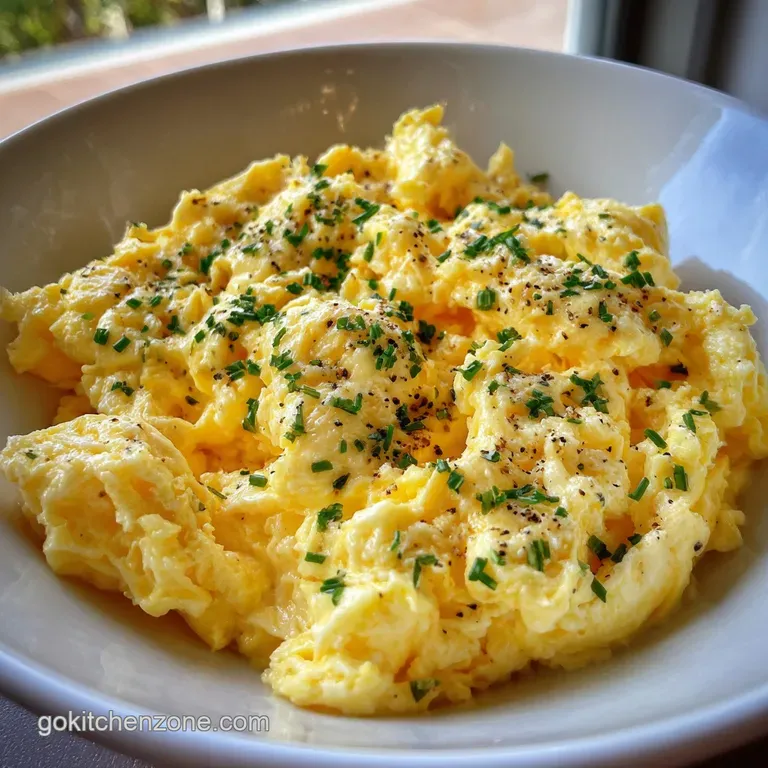
You don't need a $100 pan to win at breakfast. I’ve made these in a cheap aluminum skillet and a fancy non stick, and the results are surprisingly similar if you control the heat.
A silicone spatula is your best friend here because it allows you to sweep the bottom of the pan cleanly, ensuring no egg is left behind to overcook.
If you are looking to expand your breakfast game, these eggs pair beautifully with a side of Cinnamon Waffles recipe for that classic sweet and savory combo. Just make sure your waffles are ready first, as eggs wait for no one.
step-by-step Cooking Flow
- Prep the eggs. Crack 4 large pasture raised eggs into a medium bowl. Note: Using a glass bowl helps you see if the whites are fully incorporated.
- Season early. Add 1/4 tsp fine sea salt and 1/8 tsp freshly cracked black pepper.
- Incorporate dairy. Pour in 1 tbsp whole milk.
- Whisk vigorously. Use a fork or whisk for 2 full minutes until the mixture is pale and no streaks of white remain.
- Rest the mix. Let the bowl sit for 15 minutes. Note: This allows the salt to tenderize the proteins.
- Heat the pan. Set a non stick skillet over medium low heat and add 1 tbsp unsalted butter.
- Watch the butter. Wait until the butter foam subsides and begins to sizzle slightly.
- Pour and set. Add the egg mixture and let it sit for 30 seconds until the edges start to turn opaque.
- Fold gently. Use a spatula to push the eggs toward the center, creating long, velvety folds.
- Finish with cheese. If using, sprinkle 1/4 cup shredded sharp cheddar cheese over the top and remove from heat until the cheese is just beginning to melt.
Solving Common Texture Mistakes
Fixing Rubbery Curds
If your eggs feel like a bouncy ball, you probably used too much heat or cooked them for too long. High heat causes the egg proteins to snap shut, squeezing out all the moisture. Next time, turn the dial down. Even if it takes an extra 2 minutes, the texture will be significantly better.
Preventing Weeping Eggs
That puddle of water on your plate is usually caused by adding salt too late or overcooking the proteins until they "wring out" their moisture. Salting 15 minutes before cooking is the best way to make fluffy scrambled eggs that hold their shape.
| Problem | Root Cause | Solution |
|---|---|---|
| Gray/Green tint | Overcooked sulfur | Remove from heat while still slightly glossy. |
| Tiny, dry bits | Constant stirring | Use a "push and fold" motion, not a scramble. |
| Stuck to pan | Pan was too cold | Ensure butter is bubbling before adding eggs. |
Common Mistakes Checklist
- ✓ Never skip the 15 minute rest after salting; it's the biggest texture hack.
- ✓ Don't use a metal fork in a non stick pan; it ruins the coating and leads to sticking.
- ✓ Avoid high heat; low and slow prevents the "rubbery" effect.
- ✓ Pull the pan off the burner when the eggs look 90% done.
- ✓ Use a small pan; a huge skillet spreads the eggs too thin, causing them to dry out.
Customizing Flavor on a Budget
If you want to change things up, you don't need to buy expensive truffles. A few sprigs of fresh chives or a dash of hot sauce can change the entire profile. To make fluffy scrambled eggs more filling, I often toss in leftover veggies from last night's dinner.
For those mornings when you have more time to plan, serving these eggs alongside my Twice Baked Potatoes recipe creates a hearty meal that will keep you full until dinner. It's a great way to use up a single potato sitting in the pantry.
- The Sharp Kick: Fold in 1/4 cup shredded sharp cheddar cheese at the very end.
- The Herb Garden: Add 1 tsp of dried parsley or fresh chives during the whisking stage.
- The dairy-free Hack: Swap the milk for 1 tbsp of water or almond milk (unsweetened).
Handling Leftovers and Scraps
Storage: You can keep cooked scrambled eggs in the fridge for up to 3 days in an airtight container. To reheat, use the microwave at 50% power in 30 second bursts so they don't turn into rubber. Honestly, they are never quite as good as fresh, but they work great inside a breakfast burrito.
Zero Waste: Don't throw away those eggshells! If you have a garden, crush them up and add them to your compost or sprinkle them around your plants to add calcium to the soil.
If you have leftover shredded cheese that’s starting to get dry, this is the perfect place to hide it the heat will revive it instantly.
Best Budget Side Pairings
Since this is a cheap and fast meal, keep the sides simple. A piece of toasted white bread with a thin smear of butter is the classic choice. If you want to feel a bit more "fancy," a few slices of tomato seasoned with salt and pepper add a fresh acidity that cuts through the richness of the butter and cheese.
If you are cooking for a crowd, you can double the recipe easily. Just remember to use a larger pan and keep the heat low so the bottom doesn't brown before the top sets. Scrambled eggs are the ultimate survival food because they are flexible, fast, and always hit the spot when you're craving comfort on a budget.
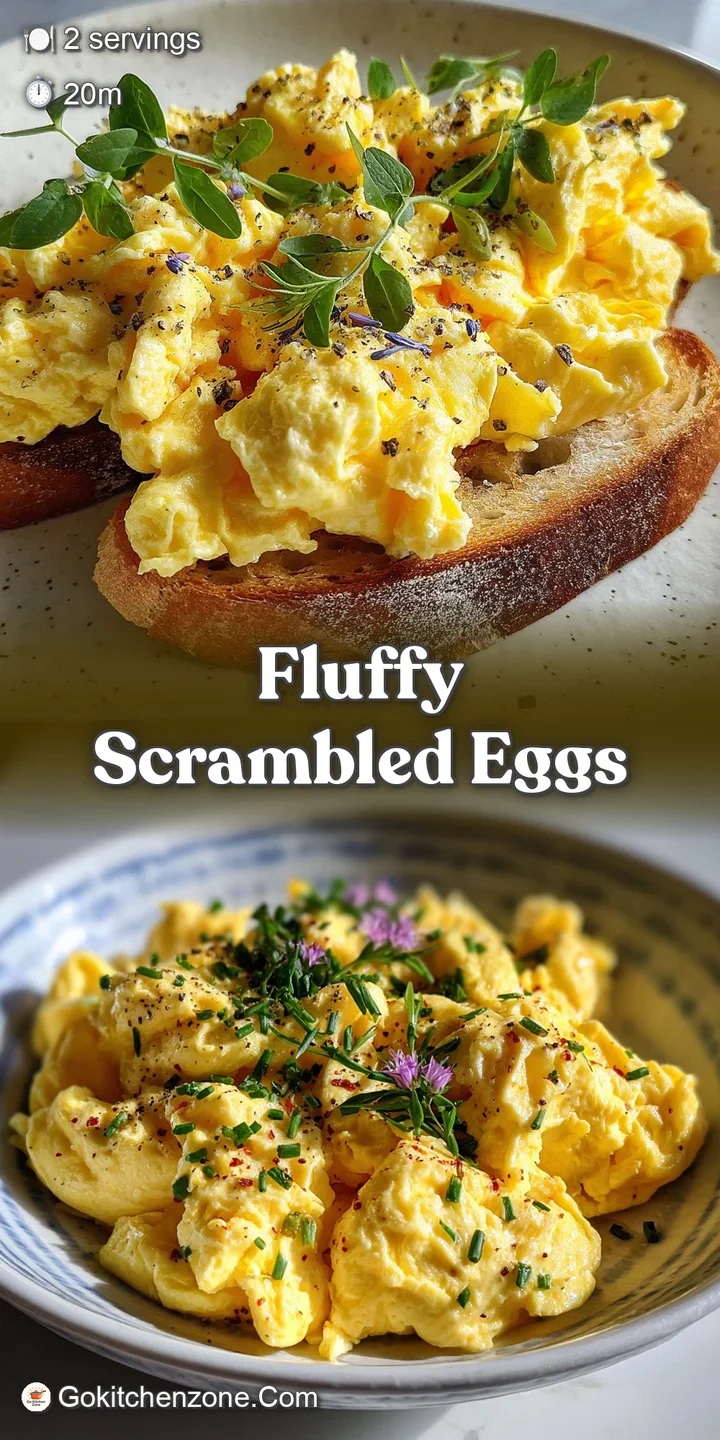
Fluffy Scrambled Eggs FAQs
What is the secret for fluffy scrambled eggs?
Salt them early and cook gently. Salting the eggs about 15 minutes before cooking helps tenderize the proteins, leading to a softer curd. Cooking over medium low heat prevents them from becoming rubbery, much like the gentle cooking required for a perfect Sugar Cookies Recipe: Velvety Centers & Crisp Edges.
How to make Gordon Ramsay fluffy scrambled eggs?
Start with cold eggs and a cold pan, then cook over medium low heat with constant stirring. Use crème fraîche or heavy cream for richness. Remove from heat just before they look done, as residual heat will finish the cooking.
This gentle, controlled method is key to achieving that signature velvety texture.
What makes fluffier scrambled eggs, water or milk?
Milk makes them fluffier. The fat content in milk helps stabilize the air bubbles created during whisking and adds moisture, contributing to a richer, fluffier texture. Water can also add steam, but milk provides a superior mouthfeel.
How much water for fluffy scrambled eggs?
Typically, 1 tablespoon of liquid per 2 eggs is a good starting point, but milk is preferred over water for fluffiness. If using water, it helps create steam for lift, but it won't contribute to the richness or velvety texture that milk does. For example, in our Chicken Divan Recipe: Creamy Mornay Sauce Ready in 45 Minutes, the milk in the Mornay sauce is crucial for its creamy texture, similar to how it enhances eggs.
Can I use milk instead of water in scrambled eggs?
Yes, absolutely. Using milk instead of water will result in richer, creamier, and fluffier scrambled eggs due to its fat content, which adds flavor and contributes to a more luxurious texture.
What's the best way to whisk eggs for fluffiness?
Whisk vigorously for at least two minutes until the mixture is pale yellow and no streaks of egg white remain. Incorporating air during whisking is crucial for fluffiness. A fork or a whisk works well, and the longer you whisk, the more air you'll incorporate, leading to lighter eggs.
Should I add salt before or after cooking scrambled eggs?
Add salt 15 minutes BEFORE cooking for maximum fluffiness. Salting the eggs in advance breaks down the protein structure, leading to a more tender and less rubbery final product. This early salting is a key technique for achieving that desired velvety curd consistency.
Fluffy Scrambled Eggs

Ingredients:
Instructions:
Nutrition Facts:
| Calories | 198 kcal |
|---|---|
| Protein | 12.9 g |
| Fat | 15.4 g |
| Carbs | 1.1 g |
| Fiber | 0 g |
| Sugar | 0.7 g |
| Sodium | 439 mg |
