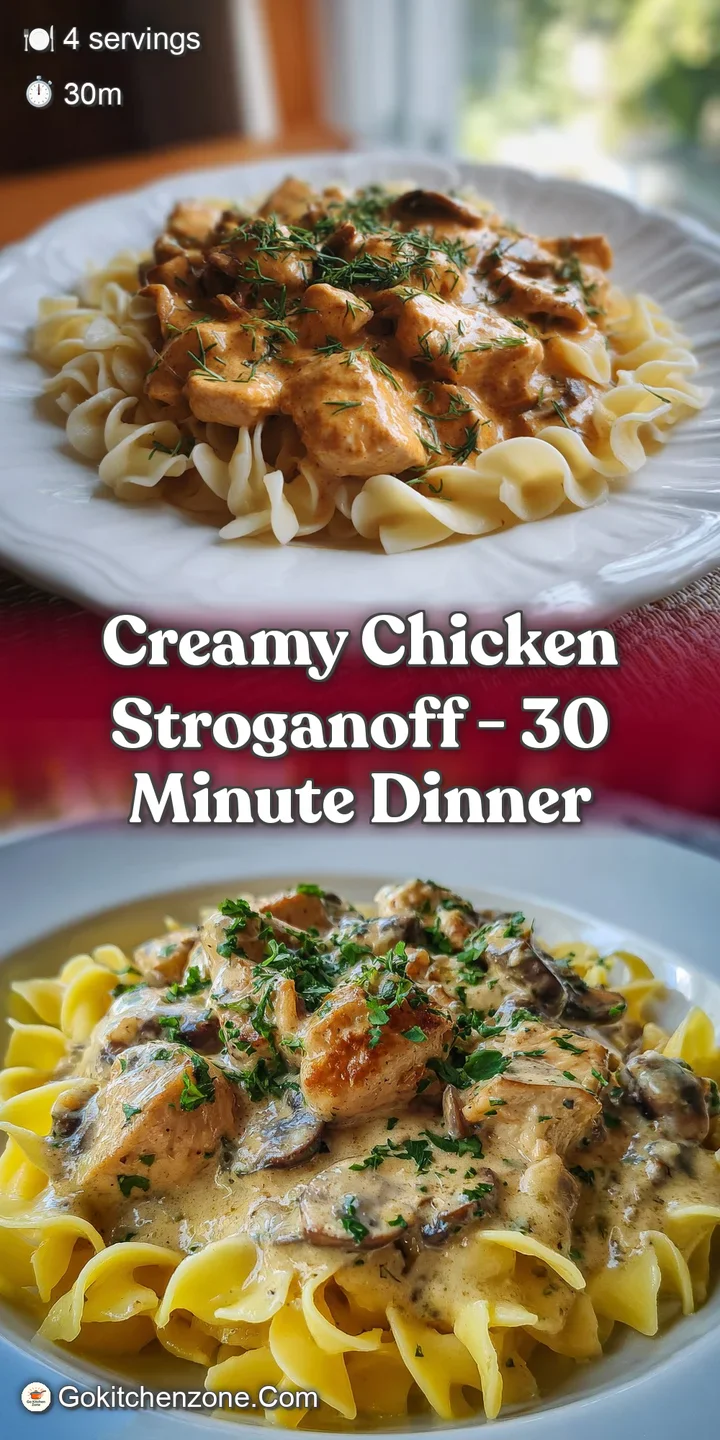
Creamy Chicken Stroganoff
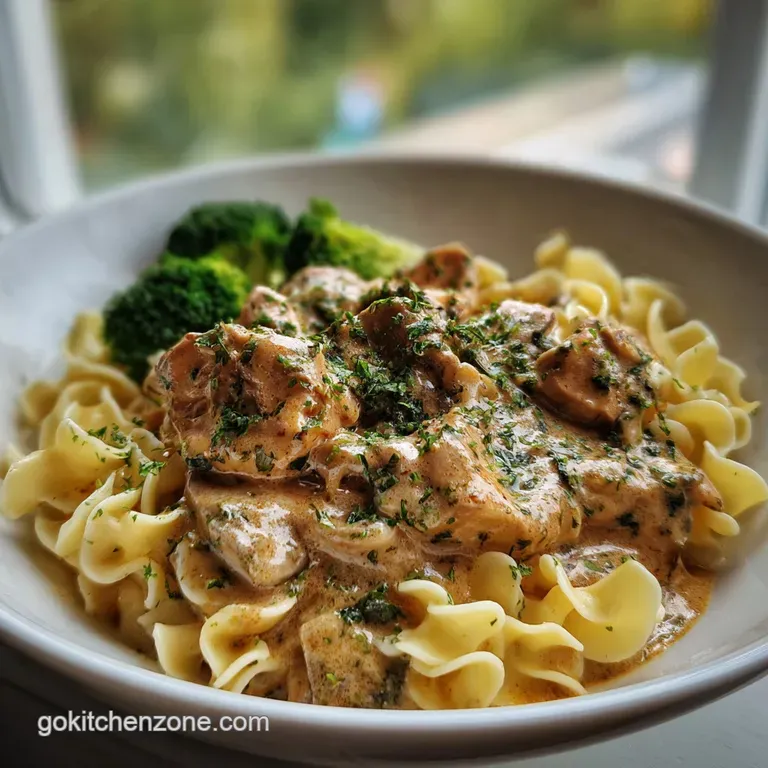
- Time: Active 15 minutes, Passive 15 minutes, Total 30 minutes
- Flavor/Texture Hook: Silky, umami packed sauce with high shatter seared chicken edges
- Perfect for: Hectic weeknights when you need high effort flavor with low effort cleanup
- The Ultimate Guide to Making Creamy Chicken Stroganoff
- Detailed Preparation and Cooking Metrics for Success
- Building the Foundation with Quality Pantry Staples
- Necessary Kitchen Tools for an Efficient Workflow
- Step by Step Execution for Velvety Results
- Identifying and Fixing Common Culinary Setbacks
- Personalizing Your Meal with Creative Ingredient Swaps
- Guidelines for Long Term Storage and Waste Reduction
- Perfect Side Dishes to Round Out Your Dinner
- Recipe FAQs
- 📝 Recipe Card
Listen, I’ve stared at a pack of chicken at 6:00 PM more times than I can count, wondering how to make it not taste like "Tuesday." We’ve all been there, and usually, the answer is a heavy pour of cream and a prayer.
But most chicken stroganoff recipes end up as a beige puddle of rubbery meat and soggy mushrooms. I spent months tweaking the ratios because I wanted that deep, old-fashioned flavor without the three hour simmer.
The trick isn't more ingredients; it's how you handle the ones you have. We are going for a sauce that clings to the noodles, not one that runs away from them. You want chicken that actually tastes browned, not just boiled in gravy.
This version is the one I make when I’m tired, grumpy, and craving something that feels like a hug in a bowl.
We’re going to walk through the exact flow so you aren't scrambling while the garlic burns. From the specific way we "dry sear" the mushrooms to the "off heat" sour cream finish, this is about working smarter in your kitchen.
By the time we’re done, you’ll have a dinner that looks like it took all afternoon but actually left you time to sit down and breathe.
The Ultimate Guide to Making Creamy Chicken Stroganoff
To get this right, we need to understand why most versions fail. Usually, it's a moisture problem. Mushrooms are like sponges, and chicken releases juice the second it hits heat. If you don't manage that liquid, you're steaming your food instead of searing it.
That’s why we use high heat and specific timing to build layers of flavor.
- Maillard Reaction: Searing the chicken at high heat creates new flavor compounds on the surface that a simmer simply can't achieve.
- Starch Gelatinization: The flour binds with the butter and chicken fat, swelling when the stock hits it to create a stable, thick structure.
- Emulsification: Adding room temperature sour cream off the heat prevents the fats from separating, ensuring a velvety texture instead of a curdled mess.
- Hygroscopic Release: Salting the mushrooms only after they’ve browned ensures they release their water quickly and then brown in the fat.
I’ve found that using chicken thighs is the real secret here. If you’ve ever made my Buffalo Chicken Dip recipe, you know that thighs hold up so much better to heat than breasts do. They stay juicy even if you accidentally overcook them by a few minutes while answering the door or pouring a glass of wine.
Detailed Preparation and Cooking Metrics for Success
Timing is everything when you’re working with a 30 minute window. I like to break this down into three phases: the sear, the aromatics, and the emulsion. If you follow this flow, you won't have the "pan is-too full" problem that leads to gray, soggy meat.
| Element | Fresh (Cremini) | Shortcut (Canned) |
|---|---|---|
| Texture | Meaty and firm | Soft and often slick |
| Prep Time | 5 minutes slicing | 0 minutes |
| Final Result | Deep earthy umami | Mild and slightly salty |
You might be tempted to grab the canned mushrooms to save time. Don't. The fresh cremini mushrooms (also called Baby Bellas) have a much lower water content once they hit the pan, which means they actually brown. Canned mushrooms just sit there, adding nothing but a rubbery texture to your beautiful sauce.
Chef's Tip: Freeze your butter for 10 minutes before you start. When you drop cold butter into the hot pan after searing the chicken, it foams up more vigorously, which helps toast the flour faster and more evenly.
Building the Foundation with Quality Pantry Staples
This table breaks down why we use these specific items. It’s not just about what’s in the fridge; it’s about how these components behave under pressure.
| Ingredient | Science Role | Pro Secret |
|---|---|---|
| Chicken Thighs | Fat to protein ratio | Pat them bone dry with paper towels for a 2x faster sear. |
| Cremini Mushrooms | Umami carrier | Don't crowd the pan; they need "personal space" to brown properly. |
| Sour Cream | Acidic thickener | Must be full fat; low-fat versions contain stabilizers that grain up. |
| Smoked Paprika | Aromatic depth | Bloom it in the butter for 30 seconds to wake up the oils. |
Once you understand that the mushrooms need space, your cooking changes. I used to dump them all in at once, and they’d just boil in their own gray liquid. Now, I give them room, and the difference in the final "meaty" texture of the dish is massive. It turns a side thought into a main event component.
Necessary Kitchen Tools for an Efficient Workflow
You don't need a professional kitchen, but a heavy bottomed pan is your best friend here. A cast iron skillet or a heavy stainless steel pan (like an All Clad) will hold heat much better than a thin aluminum one. When you drop 1.5 lbs of cold chicken into the pan, you don't want the temperature to plummet.
The Shopping List: 1.5 lbs boneless skinless chicken thighs Why this? Stays juicy and tender compared to lean breasts. 2 tbsp neutral oil 1 tsp kosher salt 1/2 tsp cracked black pepper 10 oz cremini mushrooms, sliced thick Why this? Deeper flavor
than white button mushrooms. 3 tbsp unsalted butter 1 large yellow onion, finely diced 3 cloves garlic, minced 1 tsp smoked Hungarian paprika Why this? Adds a subtle "cooked over fire" depth. 2 tbsp all purpose flour 1.5 cups low sodium chicken stock 1 tbsp Worcestershire sauce 1
tbsp Dijon mustard 1/2 cup full fat sour cream, room temperature Why this? Prevents curdling when added to hot sauce. 1 tbsp fresh parsley, chopped
| Original Ingredient | Substitute | Why It Works |
|---|---|---|
| Chicken Thighs | Chicken Breasts | Leaner but will be drier; reduce sear time by 1 minute per side. |
| Sour Cream | Greek Yogurt | Adds more tang but is much more likely to curdle if the sauce boils. |
| Cremini Mushrooms | White Button | Milder flavor but the texture remains the same. |
If you find yourself out of sour cream, I’ve actually used heavy cream with a squeeze of lemon juice in a pinch. It doesn't have that same iconic "stroganoff" tang, but it gets the creaminess right.
Just avoid anything labeled "light" or "fat free" those are full of gums and thickeners that turn into a weird gel when heated.
step-by-step Execution for Velvety Results
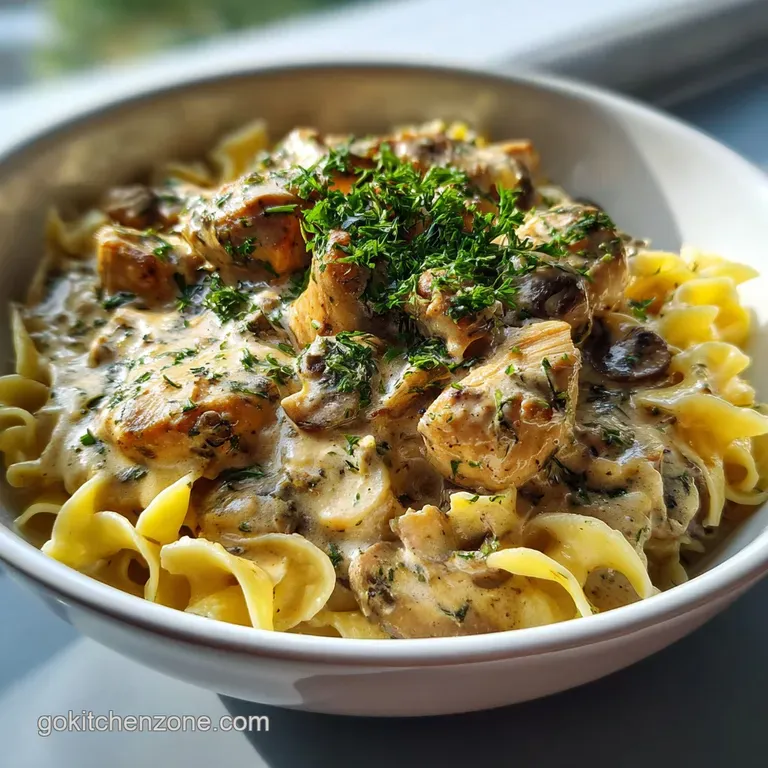
- Prep the chicken. Pat the 1.5 lbs of chicken strips with paper towels and season with salt and pepper. Note: Moisture is the enemy of a good sear.
- Sear the protein. Heat the oil in a large skillet over medium high heat. Brown the chicken in two batches for about 3 minutes per batch until golden and slightly crisp. Remove to a plate.
- Brown the mushrooms. In the same pan, add the sliced cremini mushrooms. Cook undisturbed for 4 minutes until deep brown and fragrant.
- Sauté the aromatics. Add the 3 tbsp butter and diced onion to the mushrooms. Cook for 5 minutes until the onion is translucent and soft.
- Toast the spices. Stir in the minced garlic and 1 tsp smoked paprika. Cook for 30 seconds until the aroma fills the kitchen.
- Create the roux. Sprinkle the 2 tbsp flour over the vegetables. Stir constantly for 1 minute until the flour smells nutty.
- Build the sauce. Slowly whisk in the 1.5 cups chicken stock, Worcestershire, and Dijon mustard. Simmer for 3-4 minutes until the liquid thickens enough to coat a spoon.
- Reincorporate the chicken. Slide the chicken and any resting juices back into the pan. Simmer for 2 minutes until the chicken is cooked through to 165°F.
- The final emulsion. Remove the pan from the heat. Whisk in the 1/2 cup room temperature sour cream. Note: Adding it off heat prevents the sauce from breaking.
- Garnish and serve. Sprinkle with fresh parsley and serve immediately over hot egg noodles.
This process is very similar to how I build the base for my Cowboy Butter Chicken Pasta recipe, where the fat and flour create that perfect "clinging" texture. If the sauce feels too thick after you add the sour cream, just splash in a tablespoon of warm water or extra stock to loosen it up.
Identifying and Fixing Common Culinary Setbacks
The biggest heartbreak in a stroganoff is curdling. You spend all that time browning and simmering, only to have the sauce look like grainy cottage cheese at the finish line. This usually happens because of a temperature shock or using low-fat dairy.
Why Your Sauce Looks Grainy
This is almost always due to "syneresis," where the proteins in the dairy tighten up and squeeze out the liquid. It happens if the sauce is boiling when you add the sour cream, or if the sour cream was ice cold from the fridge. Always pull your sour cream out when you start prepping so it can lose that chill.
| Problem | Root Cause | Solution |
|---|---|---|
| Curdled Sauce | Added sour cream to boiling liquid | Remove pan from heat and whisk in sour cream slowly. |
| Thin, Runny Sauce | Didn't cook the flour long enough | Simmer for 2 extra minutes or add a cornstarch slurry. |
| Bland Flavor | Not enough salt or acid | Add an extra teaspoon of Dijon mustard or a splash of lemon. |
Why Your Chicken is Tough
If you're using chicken breasts and they feel like pencil erasers, you probably overshot the temperature. Breasts have zero wiggle room. Thighs, however, are forgiving. If they feel tough, they might actually need more time to break down the connective tissue, though in this quick sear method, 165°F is the sweet spot.
Managing Mushroom Texture
If your mushrooms are slimy, you likely crowded the pan or added salt too early. Mushrooms are about 90% water. If you salt them immediately, they "weep," and you end up poaching them. Brown them first, let them get that "shatter" on the edges, and then add your seasoning.
Personalizing Your Meal with Creative Ingredient Swaps
I'm a big believer in using what you have. While the classic version is hard to beat, sometimes you want to shake things up or handle a dietary restriction.
- If you want a deeper flavor, do Y: Add a tablespoon of tomato paste with the garlic. It adds a background sweetness and rich color that mimics a slow cooked beef version.
- If you want a lighter feel, do Y: Swap the sour cream for crème fraîche. It has a higher fat content and won't curdle, but it's much lighter on the palate.
- If you want a "Stroganoff Royale" twist, do Y: Add a splash of dry sherry or brandy to deglaze the pan after browning the mushrooms. It cuts through the fat beautifully.
Chef's Note: Add a teaspoon of espresso powder or a tiny splash of soy sauce to the chicken stock. It sounds weird, but it deepens the "brown" flavor of the chicken and mushrooms without making it taste like coffee or salt.
Guidelines for Long Term Storage and Waste Reduction
This dish is a leftover superstar, but you have to reheat it gently. Since it's a cream based sauce, the microwave can be your enemy.
Storage: Store in an airtight container in the fridge for up to 3 days. I don't recommend freezing this once the sour cream is added, as the texture becomes grainy and separated upon thawing. If you want to freeze it, stop before step 9.
- Mushroom Stems
- Don't toss them! Finely mince them and sauté them with the onions for extra flavor, or toss them into a freezer bag for your next batch of homemade stock.
- Onion Peels
- Keep these for stock as well; they provide a beautiful golden color.
- Leftover Sauce
- If you have extra sauce but no chicken, it makes an incredible topping for a baked potato. It's actually a great companion to my Hashbrown Casserole recipe if you're looking for a serious comfort meal.
Perfect Side Dishes to Round Out Your Dinner
The classic choice is wide egg noodles because their ripples catch every drop of that velvety sauce. However, if you want to branch out, mashed potatoes are a close second. The "well" you make in the potatoes acts like a bowl for the gravy, and it's honestly one of the most satisfying things you can eat on a cold Tuesday night.
If you're looking for something lighter, steamed green beans with a bit of lemon zest work well to cut through the richness of the sour cream. Or, if you're feeling fancy, a simple arugula salad with a sharp vinaigrette provides a nice peppery contrast.
- 1. Searing doesn't "lock in juices"
- We sear for the Maillard reaction (flavor), not moisture retention. Moisture loss happens regardless of the crust.
- 2. You can wash mushrooms
- A quick rinse under cold water is fine. They don't absorb water like sponges in 10 seconds. Just pat them dry before hitting the oil.
- 3. High heat isn't always best
- While we sear the chicken high, we drop it to medium for the onions. Burning the butter or garlic will turn the entire sauce bitter.
Right then, you’ve got the plan. Don't overthink the mushrooms, keep that sour cream at room temp, and trust the process. You're thirty minutes away from a dinner that actually works. Let's crack on!
Recipe FAQs
What type of mushrooms are best for Chicken Stroganoff?
Fresh cremini mushrooms are best. They have a lower water content than white button mushrooms, allowing them to brown properly and develop a deeper, meatier flavor.
Can I substitute chicken breasts for thighs?
Yes, but with caution. Chicken breasts are leaner and will be drier; reduce their searing time by about one minute per side to avoid overcooking.
Why is my Stroganoff sauce curdled?
You likely added the sour cream to boiling liquid. Remove the pan from the heat before whisking in room temperature sour cream to prevent the dairy proteins from tightening and separating.
How do I prevent the chicken from becoming tough?
Use chicken thighs and avoid overcooking. Thighs are more forgiving and stay juicy. For breasts, sear briefly and ensure they reach an internal temperature of 165°F.
What's the best way to store leftover Chicken Stroganoff?
Store in an airtight container in the refrigerator for up to 3 days. Avoid freezing once the sour cream is added, as it can alter the texture upon thawing.
Can I make a dairy-free version of Chicken Stroganoff?
Yes, you can adapt it with dairy-free alternatives. Substitute full fat coconut milk or a cashew cream for the sour cream, whisking it in off the heat, similar to how we handle emulsions in recipes like Spinach Artichoke Dip Recipe: Best Flavor.
What are good side dishes for Chicken Stroganoff?
Wide egg noodles are classic for catching the sauce. For variety, consider mashed potatoes, or for a lighter option, steamed green beans with lemon zest, or even a simple arugula salad.
Creamy Chicken Stroganoff
Ingredients:
Instructions:
Nutrition Facts:
| Calories | 478 kcal |
|---|---|
| Protein | 34.6 g |
| Fat | 29.2 g |
| Carbs | 13.1 g |
| Fiber | 1.8 g |
| Sugar | 4.1 g |
| Sodium | 845 mg |
