Christmas Eve Dinner Reverse Sear Roast
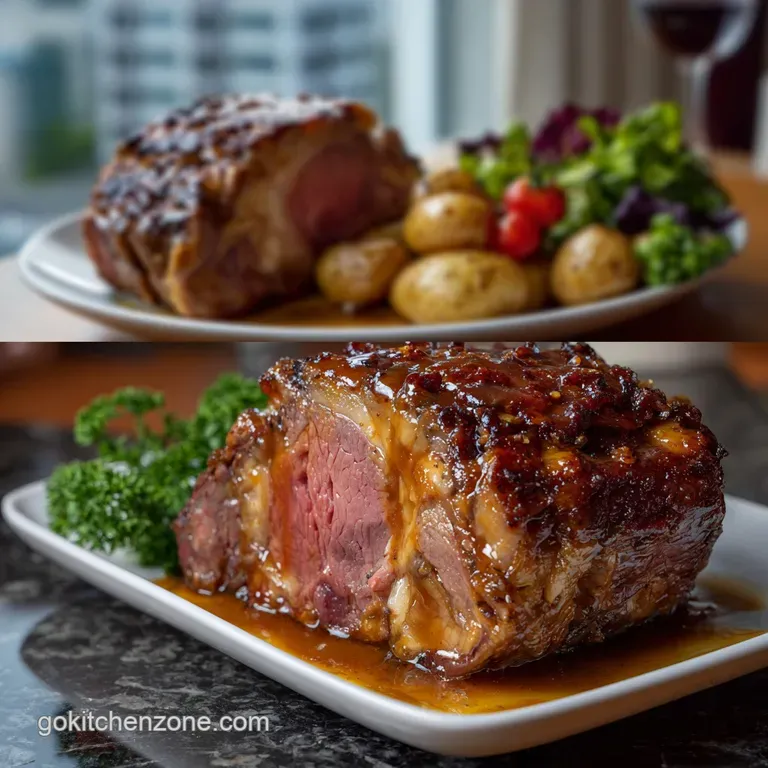
- Time: Active 50 minutes, Passive 3 hours, Total 3 hours 50 mins
- Flavor/Texture Hook: Velvety, melt in-your mouth beef encased in a shatter crisp garlic herb crust.
- Perfect for: A high stakes family Christmas Eve dinner that needs to be reliable.
- Create the Ultimate Christmas Eve Dinner
- Heat Impact on Beef Proteins
- Essential Ingredient Role Analysis
- Best Gear for Successful Roasting
- Roasting Guide and Step Process
- Preventing Disasters and Common Errors
- Customizing the Flavor Profile
- Storing and Using Every Scrap
- Finishing Touches for Holiday Plating
- Solving Last Minute Roasting Hurdles
- Debunking Roasting Hallucinations
- Recipe FAQs
- 📝 Recipe Card
The aroma of rendered beef fat and toasted rosemary is the unofficial start of the holidays in our house. There is something about a massive roast hitting the table that screams celebration, but let's be honest, the dinner struggle is real when you are juggling gifts and guests.
I remember the first time I tackled a prime rib, I was terrified of turning an expensive cut of meat into a very large piece of shoe leather.
This Christmas Eve dinner approach takes all that anxiety and tosses it out the window. We are using a technique that prioritizes reliability over guesswork, ensuring every slice is as tender as the last.
You won't need to hover over the oven door every five minutes wondering if the center is still raw or if you’ve gone too far.
Trust me on this one, once you see how the fat renders into a silky, savory coating, you will never go back to over high heat roasting. We are aiming for a result that looks like it came from a high end steakhouse but was managed easily in your own kitchen.
Right then, let's crack on with the science of why this method is your new best friend.
Create the Ultimate Christmas Eve Dinner
Proteolysis Activation: Holding the meat at a low temperature for an extended time allows natural enzymes to break down tough connective tissues. This results in a texture that is significantly more tender than traditional fast roasting methods.
Surface Desiccation: Salting the meat early draws moisture out, dissolves the salt, and then pulls that seasoned brine back into the muscle fibers. This creates a dry surface that browns faster and more deeply during the final sear.
Maillard Reaction: The final over high heat blast triggers a chemical reaction between amino acids and reducing sugars. This creates the dark, savory crust that provides a stark contrast to the velvety interior.
Gentle Denaturation: Low heat prevents the muscle fibers from contracting too violently. When proteins denature slowly, they retain more internal moisture, which keeps the roast dripping with natural juices.
Heat Impact on Beef Proteins
Understanding the physics of heat transfer is the difference between a "gray ring" of overcooked meat and a perfect pink center. When we use a low oven temperature, we minimize the temperature gradient between the outside and the inside of the roast.
This means the exterior doesn't have to suffer for the interior to reach its target temperature.
| Component | Science Role | Pro Secret |
|---|---|---|
| Prime Rib Roast | Myoglobin retention | Leave the bones on to act as a natural heat shield for the bottom. |
| Diamond Crystal Kosher Salt | Ionic diffusion | Apply 24 hours early to season the meat all the way to the bone. |
| Kerrygold Unsalted Butter | Fat soluble flavor carrier | Use softened, not melted, butter to create a thick, insulating herb paste. |
| Fresh Rosemary | Volatile oil release | Bruise the leaves before chopping to wake up the aromatic terpenes. |
Essential Ingredient Role Analysis
We aren't just throwing things in a pan and hoping for the best. Every item in this list serves a specific purpose for your eve dinner.
- 1 bone in Prime Rib Roast (3.6 kg): The king of cuts. Why this? The fat marbling provides internal basting that no other cut can match.
- 2 tbsp Diamond Crystal Kosher salt (30g): Essential for moisture control. Why this? Large flakes allow for even coverage without over salting the meat.
- 1 tbsp McCormick Coarsely ground black pepper (15g): Adds a bite to the crust. Why this? Coarse grinds provide a better textural "crunch" after the sear.
- 1/2 cup Kerrygold Unsalted butter (115g): The glue for our herbs. Why this? high-quality butter has less water and more fat for a better sear.
- 4 cloves Garlic, minced: For that classic savory aroma. Why this? Fresh garlic caramelizes beautifully under the broiler for deep flavor.
- 1 tbsp Fresh rosemary (15g): Woody and piney notes. Why this? Fresh herbs withstand the long cook time better than dried versions.
- 1 tbsp Fresh thyme (15g): Earthy, subtle floral tones. Why this? It bridges the gap between the heavy beef and the bright garlic.
- 1 tsp Smoked paprika (5g): For a hint of color and depth. Why this? It adds a subtle "grilled" flavor even when using an indoor oven.
| Original Ingredient | Substitute | Why It Works |
|---|---|---|
| Unsalted Butter | Beef Tallow | Pure fat with a higher smoke point, adding even more beefy intensity. |
| Fresh Rosemary | Dried Thyme (1 tsp) | Concentrated flavor, though it lacks the bright "green" notes of fresh. |
| Smoked Paprika | Liquid Smoke (2 drops) | Provides the same campfire depth if you don't have the spice on hand. |
Best Gear for Successful Roasting
To get this right, you need a few specific tools. I always use my Lodge Cast Iron Roasting Pan because it holds heat like a champ, but any heavy duty pan will do. You also need a ThermoPro Digital Meat Thermometer.
Honestly, don't even bother trying this without a probe thermometer; guessing is how Christmas dinners get ruined.
A sturdy wire rack is the next non negotiable. You want air circulating under the meat so the bottom doesn't get soggy and "boiled" in its own juices. If you're looking for a great start to your holiday morning before the big roast, check out my Christmas Morning Breakfast recipe which uses similar heat retention principles for a killer crust.
Roasting Guide and Step Process
- Dry the meat. Pat the 3.6 kg roast dry with paper towels until the surface is completely matte. Note: Moisture is the enemy of a good crust.
- Season early. Rub the 30g of Diamond Crystal salt over every inch of the meat. Place it on a rack over a tray and leave it in the fridge uncovered for at least 4 hours.
- Temper the beef. Take the roast out of the fridge 2 hours before cooking. Wait until the meat feels less cold to the touch before it hits the oven.
- Prepare the herb rub. Mix the 115g of softened Kerrygold butter with the garlic, 15g rosemary, 15g thyme, 15g pepper, and 5g smoked paprika.
- Apply the paste. Slather the butter mixture over the top fat cap and the sides. Until the meat is completely blanketed in herbs.
- Slow roast. Place the roast in a 120°C (250°F) oven. Cook until the internal temperature hits 48°C (118°F) for a medium rare finish. This usually takes about 3 hours.
- Rest the meat. Remove the roast and tent it loosely with foil. Let it sit for 30 to 45 minutes. Note: This allows the juices to redistribute so they don't flood the cutting board.
- Crank the heat. Turn your oven up to its highest setting (usually 260°C / 500°F).
- The final sear. Put the roast back in for 6-10 minutes. Until the exterior is dark, sizzling, and crackling.
- Carve and serve. Slice against the grain into thick slabs. The meat should be a uniform pink from edge to edge.
Preventing Disasters and Common Errors
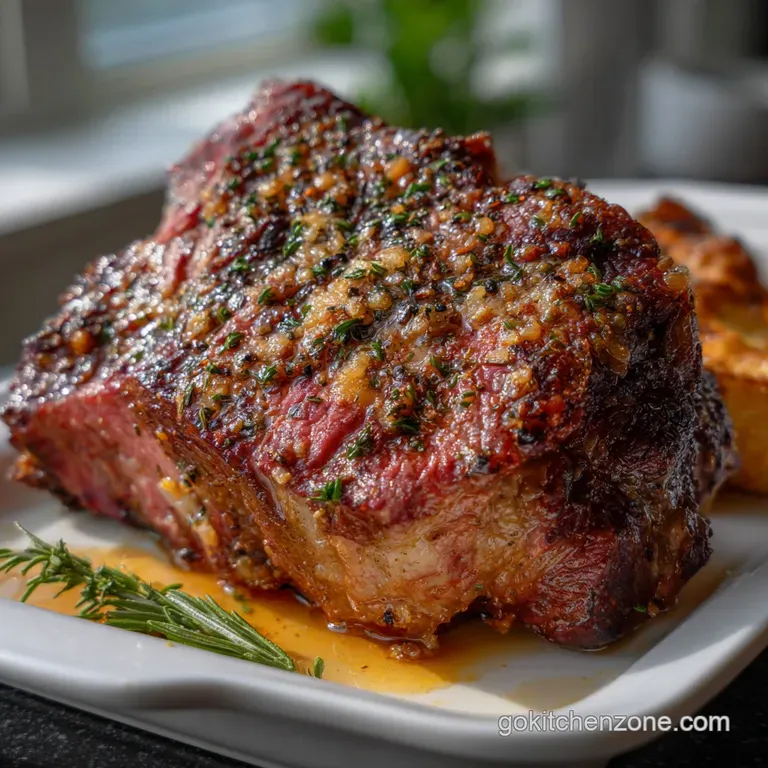
The biggest mistake I once made was skipping the resting period. I was in a rush, the guests were hungry, and I sliced right into it. Half the juice ended up on the table, and the meat turned gray and dry within minutes. Never again.
The Problem of the Gray Ring
A thick band of overcooked, gray meat around the edges is usually caused by an oven that is too hot. If your oven doesn't go as low as 120°C, you might need to crack the door slightly or adjust your timing.
Fixing a Soggy Bottom
If the bottom of your roast is wet and flabby, it’s likely because it sat in its own rendered fat. Using a wire rack is the only way to prevent this. If you don't have one, you can prop the meat up on a "rack" made of thick cut onions and carrots.
| Problem | Cause | Fix |
|---|---|---|
| Bitter Crust | Burnt Garlic | If the garlic is turning black too fast during the sear, pull the roast out immediately. |
| Tough Texture | Skipping the Temper | Always let the meat sit out for 2 hours so it cooks evenly from the start. |
| Uneven Doneness | Poor Airflow | Ensure the roast is centered in the oven and not crowded by other side dishes. |
Customizing the Flavor Profile
While the garlic herb butter is a classic, you can easily pivot this Christmas Eve dinner to suit your family's tastes. If you want a bit more of a kick, try adding 2 tablespoons of horseradish to the butter mixture. It provides a sharp contrast that cuts through the rich fat of the prime rib.
Chef's Tip: For an even deeper flavor profile, add a teaspoon of instant espresso powder to the dry rub. It won't taste like coffee, but it mimics the charred, savory notes of a wood fired grill.
- If you want a sweeter crust, add a tablespoon of brown sugar to the rub.
- If you prefer a cleaner flavor, skip the butter and just use olive oil and salt.
- If you need it dairy-free, use beef tallow or a high-quality vegan butter substitute.
This method is actually very similar to what I describe in my Prime Rib Roast Oven recipe, where we focus heavily on the reverse sear technique. It's a versatile approach that works for any large beef roast, whether it's for Christmas or just a Sunday lunch.
Storing and Using Every Scrap
Storage: This roast will keep in the fridge for up to 4 days. Wrap it tightly in plastic wrap to prevent the meat from oxidizing and turning brown. If you want to freeze it, slice the meat first and freeze the slices in a single layer before bagging them; this allows you to thaw only what you need.
It stays good in the freezer for about 2 months.
Zero Waste: Do not throw away those bones! They are gold for making a rich beef stock. Toss them into a pot with some celery, carrots, and water, and simmer for 4 hours. Also, any leftover fat (tallow) can be strained and used to roast the best potatoes you’ve ever had.
Finishing Touches for Holiday Plating
Presentation is half the battle for a festive eve dinner. I like to serve the roast on a large wooden board surrounded by bundles of fresh herbs tied with twine. It looks rustic and intentional. When carving, use a long, sharp slicing knife and make one clean motion.
Sawing back and forth can tear the delicate muscle fibers.
- The Crown Look: Keep the bones attached for the initial presentation, then slice them off just before serving to make the meat easier to eat.
- The Jus: Pour the juices from the resting tray into a small pitcher. That "liquid gold" is more flavorful than any gravy you could buy.
- Color Balance: Surround the meat with bright roasted carrots or a vibrant chimichurri to make the plate pop.
Solving Last Minute Roasting Hurdles
Meat Cooking Too Fast
If your thermometer shows you're hitting the target temperature way earlier than expected, don't panic. You can take the meat out, wrap it tightly in foil, then a few towels, and place it in an empty cooler (no ice!). It will stay hot for up to 2 hours without overcooking.
The Oven is Smoking
This usually happens during the over high heat sear if there are lots of drippings in the pan. To fix this, carefully pour out the liquid fat from the roasting pan before you turn the oven up for the final blast.
| Feature | Stovetop Searing | Oven Roasting (Low Temp) |
|---|---|---|
| Control | High - you see the crust | Low - rely on the timer |
| Mess | Splatters everywhere | Contained in the oven |
| Flavor | Intense char | Evenly distributed herbs |
Choosing Your Doneness
- Rare: Pull at 46°C (115°F)
- Medium Rare: Pull at 48°C (118°F)
- Medium: Pull at 54°C (130°F)
Remember that carryover cooking will raise the temperature by another 5 degrees while the meat rests. This is why we pull it "early."
Debunking Roasting Hallucinations
Searing meat "seals in" juices. This is a total myth. Moisture loss happens regardless of when you sear. We sear at the end because it’s more efficient for crust development and prevents the "gray ring" caused by starting with high heat.
Bone in meat tastes better. While the bones don't actually flavor the meat much during the cook, they do act as an insulator. This prevents the bottom of the roast from overcooking, which is why we keep them on for this recipe.
You must bring meat to room temperature. While we temper the meat for 2 hours, it won't actually reach room temperature in the middle. The goal is just to take the "chill" off so the exterior doesn't have to work so hard to heat the core, leading to more even cooking.
This roast is the centerpiece your Christmas Eve dinner deserves. It’s simple, scientific, and honestly, the most reliable way to feed a crowd without losing your mind. Right then, let's get that oven preheated!
Recipe FAQs
What is the traditional Christmas Eve meal?
Often seafood or a lighter roast. Traditionally, many cultures observe a feast of seven fishes, but American tradition often leans toward ham, prime rib, or lighter fare before the larger Christmas Day meal.
What should I make for dinner on Christmas Eve?
A high stakes prime rib roast is recommended. This recipe leverages a low and slow reverse sear, which ensures perfect edge-to-edge pinkness and moves most of the cooking stress hours ahead of serving.
How to make Christmas Eve dinner special?
Focus on high-quality centerpiece meat and presentation. Serving a flawlessly cooked prime rib, complemented by a simple yet intense herb crust, immediately elevates the meal beyond standard holiday fare.
What to make Christmas Eve dinner?
A slow cooked prime rib with a powerful garlic herb crust is ideal. The technique used here maximizes tenderness via proteolysis activation and finishes with a fast sear for texture contrast.
How to prepare Christmas dinner day before?
Yes, you can safely season and dry-brine the roast 24 hours ahead. Salting the meat a full day in advance helps draw seasoning deep into the muscle fibers and ensures a drier surface for a better final crust.
Should I sear the prime rib before or after slow roasting?
Always sear after slow roasting for this style of dinner. Searing last triggers the Maillard reaction on a desiccated surface, guaranteeing a dark, crisp exterior without developing the dreaded "gray ring" inside.
What is the key to a guaranteed tender Christmas roast?
Maintain a very low oven temperature, around 120°C (250°F), until target internal temp is reached. Slow heat application prevents muscle fibers from contracting violently, allowing the roast to retain significantly more internal moisture.
Christmas Eve Dinner Roast
Ingredients:
Instructions:
Nutrition Facts:
| Calories | 985 kcal |
|---|---|
| Protein | 56g |
| Fat | 84g |
| Carbs | 1.2g |
| Fiber | 0.3g |
| Sugar | 0.1g |
| Sodium | 1720mg |
