Hearty Chicken and Wild Rice Soup Recipe
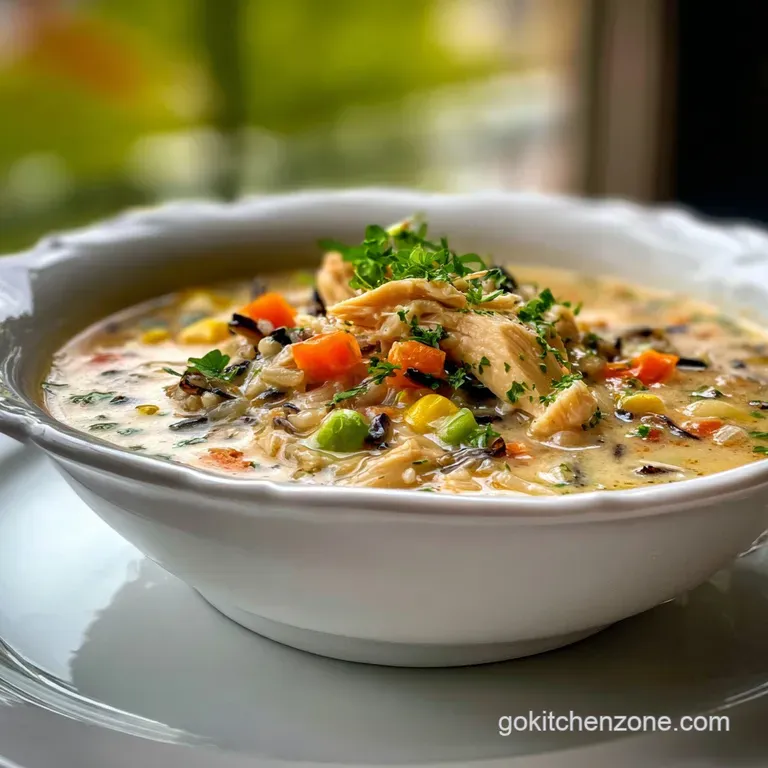
- Time: Active 20 minutes, Passive 50 minutes, Total 1 hour 10 minutes
- Flavor/Texture Hook: Silky cream based broth with chewy, nutty grains
- Perfect for: Cold weather meal prep or a comforting family weeknight dinner
- The Comfort of a Creamy Chicken and Wild Rice Soup Recipe
- Essential Quick Reference Guide for Busy Weeknight Dinner Success
- Selecting the Best Components for a Hearty and Balanced Broth
- Minimal Tool Kit for Maximum Efficiency in the Kitchen
- Step by Step Guide to Crafting a Velvety One Pot Meal
- Navigating Texture Issues to Ensure a Flawless Result Every Time
- Simple Modifications for Dairy Free and Healthy Lifestyles
- Best Practices for Keeping Leftovers Fresh and Reducing Waste
- Finding the Ideal Side Dish for a Complete Family Meal
- Kitchen Truths About Wild Rice Grains
- High in Sodium
- Chicken and Wild Rice Soup Recipe FAQs
- 📝 Recipe Card
The Comfort of a Creamy Chicken and Wild Rice Soup Recipe
The sizzle of 1.5 lbs boneless skinless chicken thighs hitting a hot pot is the sound of a problem being solved. We’ve all been there: it’s 5:30 PM, the kitchen is cold, and you want something that feels like a hug in a bowl but doesn't require five different pans.
I used to think a proper wild rice soup needed a culinary degree and a whole afternoon, but after a few soggy rice disasters, I realized the secret is all in the timing of the grains and the fat.
This homemade chicken and wild rice soup recipe isn't about fancy techniques; it's about reliability. You get that punchy aroma of fresh thyme and rosemary filling the house while the rice does its thing.
It’s significantly better than the canned stuff and rivals any panera copycat chicken and wild rice soup recipe you’ve tried, mostly because we aren't skimping on the aromatics.
Whether you’re looking for a healthy chicken and wild rice soup recipe or just a way to use up those carrots in the back of the fridge, this method works every single time.
The beauty of this dish lies in the contrast. You have the velvety texture of the cream finished broth against the slight "pop" of the wild rice grains. It’s a texture game that most soups lose by overcooking everything into a mushy porridge. We're going to treat our ingredients with a bit of respect, searing the meat for flavor and simmering the vegetables until they’re tender but not dissolved. If you enjoy this level of comfort, you might also find a lot to love in our Chicken Potato Soup recipe, which uses a similar flavor profile but swaps the grains for starchy potatoes.
Essential Quick Reference Guide for Busy Weeknight Dinner Success
When you're staring down a hungry family, you need to know which path to take. While I swear by the stovetop method for the best flavor development, sometimes the day just doesn't happen that way. This table helps you decide which version of this soup fits your current chaos level.
| Method | Time | Texture | Best For |
|---|---|---|---|
| Stovetop | 1 hour 10 minutes | Deepest flavor, chewy rice | Total control and best browning |
| Crock Pot | 6 hours (low) | Very tender chicken | Set it and forget it mornings |
| Instant Pot | 45 minutes | Softest grains | When you forgot to start dinner |
Choosing the right method depends on your schedule. If you're home and can spare 20 minutes of active work, the stovetop is king because of the Maillard reaction you get from searing the chicken. If you're heading out for the day, a crock pot chicken and wild rice soup recipe is a lifesaver.
Just remember that with the slow cooker, you’ll want to add the cream and roux at the very end to prevent the dairy from breaking over the long haul.
For those using the Instant pot chicken and wild rice soup recipe approach, be mindful that the high pressure can make the rice extra soft. It’s efficient, but you lose that distinct "shatter" of the wild rice husk.
No matter which tool you use, the goal is a cohesive, satisfying meal that doesn't leave you with a mountain of dishes to scrub.
Selecting the Best Components for a Hearty and Balanced Broth
The ingredients you choose for this soup recipe will determine if it’s a side dish or a main event. We are using a wild rice blend rather than pure black wild rice. Pure wild rice takes nearly an hour to cook and can be a bit aggressive in flavor.
A blend usually includes long grain brown or white rice, which provides a softer counterpoint to the nutty wild grains.
The Physics of Starch Suspension
Amylopectin Management: Wild rice releases starches slowly, but the addition of a flour based roux creates a secondary network that prevents the heavy cream from separating. This ensures the soup remains silky even after reheating.
| Component | Science Role | Pro Secret |
|---|---|---|
| Chicken Thighs | Fat & Connective Tissue | Thighs stay juicy during the long simmer compared to breasts |
| Wild Rice Blend | Structural Integrity | The outer husk provides a "pop" texture that prevents mushiness |
| Chicken Stock | Liquid Base | Use low sodium to control the salt concentration as it reduces |
| All Purpose Flour | Emulsification | Acts as the bridge between the watery stock and the fatty cream |
Outside of the science, the aromatics are where the magic happens. You’ll need 1 medium yellow onion, 2 large carrots, and 2 stalks of celery. This is the "holy trinity" of soup making. I like to dice the carrots slightly larger than the onion so they don't vanish during the 50 minute simmer.
Chef's Tip: Freeze your 4 tbsp unsalted butter for 10 minutes before you start. When it’s time to make the roux, grate the cold butter directly into the flour. This creates tiny pockets of fat that incorporate more smoothly into the stock, preventing those annoying flour lumps.
Official Ingredients & Substitutions:
- 1.5 lbs chicken thighs: Substitute with chicken breasts. Why this? Thighs have more fat, ensuring the meat doesn't dry out during the long simmer.
- 1 cup wild rice blend: Substitute with brown rice. Why this? The blend offers a mix of nutty texture and soft starchiness.
- 6 cups chicken stock: Substitute with vegetable broth. Why this? Provides the savory foundation for the entire soup.
- 2 large carrots: Substitute with parsnips. Why this? Adds sweetness and a bright visual contrast.
- 2 stalks celery: Substitute with diced fennel. Why this? Provides a foundational savory crunch.
- 1 yellow onion: Substitute with leeks. Why this? The base of the aromatic flavor profile.
- 3 cloves garlic: Substitute with 1 tsp garlic powder. Why this? Adds a punchy, sharp depth.
- 1 tsp fresh thyme & rosemary: Substitute with 1/2 tsp dried herbs. Why this? Fresh herbs provide a floral, earthy aroma.
- 4 tbsp butter & 1/4 cup flour: Substitute with cornstarch slurry for gluten-free. Why this? This creates the "roux" that thickens the broth.
- 1 cup heavy cream: Substitute with full fat coconut milk. Why this? Adds the velvety, rich mouthfeel.
Minimal Tool Kit for Maximum Efficiency in the Kitchen
You don't need a pantry full of gadgets to make this work. A heavy bottomed pot, like a 6 quart Dutch oven (I use a Lodge), is your best friend here. The heavy walls distribute heat evenly, which is vital when you're simmering rice for nearly an hour.
You don't want "hot spots" at the bottom of the pot scorching your grains while the top stays crunchy.
Beyond the pot, a good sharp chef's knife makes quick work of the mirepoix (onions, carrots, celery). If you’re feeling the dinner struggle, a food processor can pulse the vegetables in seconds, but be careful not to turn them into a puree. You want distinct pieces that will hold their shape.
A wooden spoon is also essential for scraping up the brown bits the "fond" after searing the chicken. That's where all the deep flavor lives.
Finally, keep a whisk nearby for the cream and flour stage. While a spoon works, a whisk is the only way to ensure your roux integrates perfectly into the 6 cups of chicken stock. If you're looking for another one pot wonder that uses similar tools, our Broccoli Casserole recipe is a fantastic companion to this soup style.
step-by-step Guide to Crafting a Velvety One Pot Meal
Phase 1: Developing the Flavor Foundation
Start by heating 1 tbsp vegetable oil in your pot over medium high heat. Season your 1.5 lbs chicken thighs with salt and pepper. Sear them for about 5 minutes per side until a golden brown crust forms. Note: We aren't cooking them through yet; we just want that flavor.
Remove the chicken and set aside. In the same pot, add the diced onion, carrots, and celery. Sauté for 6 minutes until the onions are translucent and the carrots slightly soften.
Stir in the 3 cloves of minced garlic, 1 tsp thyme, and 1 tsp rosemary, cooking for just 60 seconds until fragrant.
Phase 2: Simmering the Grains
Deglaze the pot by pouring in a splash of the 6 cups chicken stock, using your spoon to scrape the bottom. Add the remaining stock and the 2 bay leaves. Return the chicken to the pot and stir in the 1 cup wild rice blend. Bring the mixture to a boil, then immediately reduce the heat to low.
Cover and simmer for 40 to 45 minutes until the rice is tender and some grains have "blossomed" or split open.
Phase 3: Creating the Creamy Liaison
While the soup simmers, we'll prep the thickener. In a small saucepan or even the microwave, melt the 4 tbsp unsalted butter. Whisk in the 1/4 cup all purpose flour to create a paste. Slowly whisk in about half a cup of the hot soup liquid into this paste to "temper" it.
This prevents the flour from clumping when it hits the big pot. Once smooth, pour this mixture back into the main pot. Note: This is the secret to a creamy chicken and wild rice soup recipe that doesn't feel greasy.
Phase 4: The Final Integration
Remove the chicken thighs from the pot and shred them with two forks they should be very tender by now. Return the shredded meat to the soup. Pour in the 1 cup heavy cream and the 1 tsp lemon juice.
Stir gently over low heat for 5 minutes until the broth thickens into a velvety consistency. Taste and add more salt or pepper if needed. Discard the bay leaves before serving.
Navigating Texture Issues to Ensure a Flawless Result Every Time

The most common heartbreak with any rice soup recipe is the "disappearing broth" act. Rice is thirsty. If you let the soup sit, the grains will continue to absorb liquid until you're left with a thick porridge instead of a soup.
Preventing Thirsty Rice Syndrome
If you plan on having leftovers, I actually recommend cooking the rice separately and adding it to individual bowls. However, for that authentic, cohesive flavor where the rice tastes like the broth, cooking it together is better.
If it thickens too much overnight, simply whisk in an extra half cup of stock or water when reheating. It will loosen right back up.
Avoiding Curdled Cream
Dairy is sensitive to high heat and acid. Never boil the soup after you have added the heavy cream. The high temperature can cause the proteins in the cream to clump together, resulting in a grainy texture. Keep the heat on the lowest setting just to warm it through.
The 1 tsp of lemon juice added at the end provides a necessary brightness, but don't overdo it, as too much acid can also break the cream.
| Problem | Root Cause | Solution |
|---|---|---|
| Mushy Rice | Overcooking or using "instant" rice | Check grains at 35 mins; use a true wild rice blend |
| Thin, Watery Broth | Improper roux ratio | Simmer for 10 more mins or add a cornstarch slurry |
| Bland Flavor | Lack of salt or acid | Add a pinch of salt and a squeeze of fresh lemon |
Common Mistakes Checklist:
- ✓ Don't skip searing the chicken; that "fond" on the bottom of the pot is essential for a deep, savory base.
- ✓ Avoid using pre cooked rotisserie chicken if you want the best rice texture; the rice needs the fat from the raw thighs to cook properly.
- ✓ Never add the cream while the soup is at a rolling boil to prevent curdling.
- ✓ Always rinse your wild rice blend in a fine mesh strainer before adding it to the pot to remove excess surface starch.
- ✓ Don't forget the lemon juice; it's the "secret" ingredient that cuts through the heavy dairy and brightens the herbs.
Simple Modifications for dairy-free and Healthy Lifestyles
Making a chicken wild rice soup no cream is easier than you think. You can still achieve a satisfying texture without the heavy dairy. This is particularly helpful for those following a dairy-free chicken and wild rice soup recipe path.
| Original Ingredient | Substitute | Why It Works |
|---|---|---|
| Heavy Cream (1 cup) | Coconut Milk (full fat) | Similar fat content. Note: Adds a very slight nutty flavor |
| All Purpose Flour | Almond Flour | Thicker consistency but doesn't provide the same "stretch" as gluten |
| Unsalted Butter | Olive Oil | Provides fat for sautéing without the dairy proteins |
If you want a version that is even lighter, you can skip the roux and the cream entirely. Instead, take two cups of the finished soup (vegetables and broth) and blend them until smooth, then stir them back in. This uses the starches from the vegetables and rice to naturally thicken the liquid.
It creates a beautiful, rustic texture that feels healthy but still indulgent.
For a grain free or keto friendly variation, you could swap the wild rice for cauliflower rice. However, you should only add the cauliflower in the last 5 minutes of cooking, or it will completely disappear into the broth.
The flavor profile remains the same, but the "chew" will be significantly different.
Best Practices for Keeping Leftovers Fresh and Reducing Waste
This soup stores remarkably well, though it will thicken as it sits in the fridge. You can keep it in an airtight container for up to 4 days. When reheating, do it on the stovetop over medium low heat. Avoid the microwave if possible, as it tends to heat unevenly and can make the chicken rubbery.
Freezing Guidelines: You can freeze this soup for up to 3 months. However, be aware that cream based soups can sometimes separate when thawed. To fix this, whisk the soup vigorously while reheating it on the stove.
If you know you are making a batch specifically for the freezer, I recommend freezing it before adding the cream. Add the fresh cream when you reheat the base for the best velvety texture.
Zero Waste Tips: Don't throw away those onion skins or celery ends! Keep a "stock bag" in your freezer. Every time you prep vegetables, toss the clean scraps into the bag.
When the bag is full, simmer it with water for two hours to create your own homemade stock for the next time you make this soup recipe. Also, if you have leftover roasted chicken from a Sunday dinner, this is the perfect place to use it just skip the searing step and add it in during the last 10 minutes of simmering.
Finding the Ideal Side Dish for a Complete Family Meal
Because this soup is so rich and "creamy", it needs a side dish that offers a bit of crunch or acidity. A simple green salad with a sharp vinaigrette is the classic choice. The vinegar cuts through the fat of the heavy cream and refreshes your palate between spoonfuls of the hot soup.
If you’re feeding a crowd and need something more substantial, a crusty loaf of sourdough bread is mandatory for "swiping" the bottom of the bowl. You want something with a hard crust that won't immediately turn to mush when it hits the liquid. Garlic knots or even a simple Country Fried Chicken recipe can turn this into a true feast if you're hosting a winter gathering.
If you want to vary the meal, consider these pairings: If you want a crunchier texture, serve with homemade sourdough croutons. If you want a lighter meal, pair with steamed broccoli or a roasted beet salad. If you want a southern twist, serve with honey buttered cornbread.
Kitchen Truths About Wild Rice Grains
There is a common misconception that wild rice is actually rice. In reality, it is a species of grass. This is why it behaves so differently in the pot. It doesn't "absorb" water in the same way white rice does; it more or less softens until the outer hull bursts. This "blooming" is the sign that your soup is ready.
Another myth is that you must soak wild rice overnight. While soaking can reduce the cook time by about 10 minutes, it’s not necessary for a soup. The long 50 minute simmer in the chicken stock provides more than enough time for the grains to hydrate while simultaneously absorbing all the savory flavors of the herbs and chicken.
Finally,, don't believe the idea that you can't overcook wild rice. While it is much heartier than white rice, if it sits in simmering liquid for over 90 minutes, it will eventually lose its structural integrity and become gummy. Stick to the 45-55 minute window for the best "shatter" and chew.
Trust the process, and you'll have a bowl of soup that feels like it came from a high end bistro right in your own kitchen.

High in Sodium
885 mg mg of sodium per serving (38% of daily value)
The American Heart Association recommends limiting sodium intake to no more than 2,300mg per day for most adults. Ideally, aim for 1,500mg per day.
Tips to Reduce Sodium in Your Chicken and Wild Rice Soup
-
Dilute the Broth-30%
Even low-sodium broth can contribute significant sodium. Try using 3 cups of low-sodium broth and 3 cups of water. You can also make your own broth with no added salt.
-
Reduce Added Salt-25%
Eliminate the 1 teaspoon of added salt. Taste the soup after cooking and only add a pinch if absolutely necessary. You might be surprised at how flavorful it is without it!
-
Fresh Over Dried-10%
While this recipe calls for fresh herbs, be mindful of using fresh ingredients in general, because they typically contain less sodium than their processed counterparts.
-
Acid Boost-5%
Enhance the flavor with more lemon juice. Acid brightens dishes and can help compensate for the lack of salt. Try adding an extra squeeze of lemon juice at the end.
-
Spice it Up!
Experiment with sodium free spices and herbs to enhance the flavor. Garlic powder, onion powder, black pepper, smoked paprika, and other herbs and spices can add depth without adding sodium.
Chicken and Wild Rice Soup Recipe FAQs
Can I use chicken breasts instead of thighs in this soup?
Yes, you can substitute chicken breasts. Thighs offer more fat for juiciness during the simmer, but breasts will work if seared well and not overcooked.
How do I prevent the soup from becoming too thick after sitting?
Add extra liquid when reheating. Rice continues to absorb broth; stir in a half cup of chicken stock or water to loosen the soup.
Can I make this soup dairy-free?
Yes, a dairy-free version is achievable. Substitute full fat coconut milk for heavy cream, and use olive oil instead of butter for the roux.
Is it true that wild rice is not actually rice?
Yes, that's a common point of confusion. Wild rice is technically a species of grass, which is why its cooking behavior differs from true rice.
How should I store leftovers of this soup?
Store in an airtight container in the refrigerator for up to 4 days. Reheat gently on the stovetop, adding a bit more broth if it has thickened.
What's the best way to ensure the wild rice is perfectly cooked?
Simmer for 40-45 minutes, checking for tenderness and the "blooming" of the grains. Avoid cooking for much longer than 55 minutes to prevent a gummy texture.
How can I make this soup gluten-free?
Yes, you can make it gluten-free by using a cornstarch slurry. Whisk 2 tablespoons of cornstarch with 1/4 cup cold water and stir into the soup towards the end of cooking.
Chicken Wild Rice Soup

Ingredients:
Instructions:
Nutrition Facts:
| Calories | 499 kcal |
|---|---|
| Protein | 27 g |
| Fat | 28 g |
| Carbs | 29 g |
| Fiber | 2 g |
| Sugar | 4 g |
| Sodium | 885 mg |
