Clean Eating Chicken Veggie Stir Fry
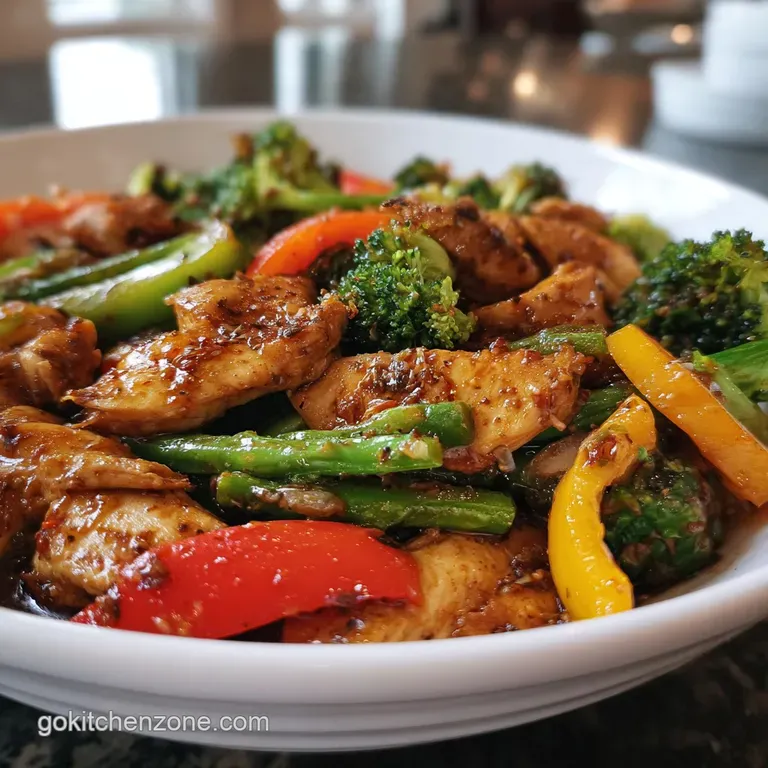
- Time: Active 15 minutes, Passive 10 minutes, Total 25 minutes
- Flavor/Texture Hook: Savory sweet ginger glaze with snappy, vibrant vegetables and tender chicken
- Perfect for: High protein weeknight dinners and efficient meal prep
- Fast Clean Eating Chicken Veggie Stir Fry
- Why This Stir Fry Succeeds
- Strategic Component Deep Dive
- Precise Specs for Best Results
- Building Blocks of Real Flavor
- Essential Kitchen Tools for Cooking
- Detailed Steps for Perfect Texture
- Fixing Common Stir Fry Mistakes
- Troubleshooting Common Issues
- Creative Swaps and Flavor Twists
- Debunking Stir Fry Myths
- Storage and Zero Waste Methods
- Final Touches and Plating Ideas
- Recipe FAQs
- 📝 Recipe Card
Fast Clean Eating Chicken Veggie Stir Fry
The sizzle of a hot pan always signals the end of the "what's for dinner" struggle in my house. There is something truly therapeutic about hearing that first batch of chicken hit the oil and watching it turn golden in seconds.
For a long time, I actually avoided making stir fry at home because mine always turned out like a watery mess of limp broccoli and rubbery meat. Honestly, it was frustrating, but I eventually learned that the secret isn't a fancy stove, it's all about moisture management and timing.
This clean eating chicken veggie stir fry is my go to when I want a meal that feels light but actually keeps me full until breakfast. We are skipping the cornstarch and refined sugars found in takeout versions, opting instead for coconut aminos and arrowroot.
It’s a one pan wonder that actually delivers on the promise of "fast and healthy" without tasting like "diet food." Trust me on this, once you nail the order of operations, you'll never look at a delivery menu again.
We have all been there, standing over a steaming pan of gray looking meat, wondering where we went wrong. That happened to me more times than I care to admit before I realized I was overcrowding my pan. This recipe fixes that by breaking the process into quick, over high heat phases.
You get that beautiful char on the outside of the chicken and a "shatter" crunch on the snap peas that makes every bite feel fresh.
Why This Stir Fry Succeeds
The magic of this dish lies in the chemistry of over high heat cooking and the specific way we layer flavors. By treating the protein and the garden harvest as separate stages, we ensure nothing gets overcooked or soggy.
- Maillard Reaction: High heat creates a brown crust on the chicken, developing complex savory flavors through amino acid reorganization.
- Starch Gelatinization: Arrowroot powder swells when heated, turning the thin liquid into a velvety glaze that clings to every surface.
- Thermal Carryover: Removing vegetables while they are still slightly firm prevents them from turning into mush during the final toss.
- Emulsification: Toasted sesame oil and coconut aminos are bound by the arrowroot to create a stable, glossy finish.
If you find yourself craving a different kind of chicken night, you might enjoy the balance in my Healthy Garlic Parmesan recipe. Both dishes focus on high protein efficiency without sacrificing the textures we love.
Strategic Component Deep Dive
Before we light the burner, let's look at why these specific ingredients make the cut for a clean lifestyle. Choosing the right fats and binders changes the entire nutritional profile of your dinner.
| Ingredient | Science Role | Pro Secret |
|---|---|---|
| Avocado Oil | High Smoke Point | Prevents the oil from breaking down and tasting bitter at 400°F+ |
| Coconut Aminos | Umami Provider | Offers a savory depth similar to soy but with significantly less sodium |
| Arrowroot | Thickening Agent | Provides a clearer, glossier finish than flour and is completely grain free |
| Fresh Ginger | Aromatic Catalyst | Contains gingerol which brightens the heavy savory notes of the chicken |
Using the right oil is non negotiable here. I once tried using extra virgin olive oil for a stir fry, and the kitchen was filled with smoke before the chicken even touched the pan. Stick to avocado oil or even light olive oil to keep things clean and tasty.
Precise Specs for Best Results
Efficiency is the name of the game for any weeknight meal. This recipe yields 4 servings and focuses on a lean, high protein distribution that works perfectly for those tracking their macros or just trying to eat "real" food.
- Yield: 4 servings
- Protein focus: 54 g per serving
- Prep flow:15 minutes
- Cook flow:10 minutes
Chef's Tip: Freeze your chicken breast for 15 minutes before slicing. It firms up the meat just enough so you can get those paper thin, uniform strips that cook in a flash.
Building Blocks of Real Flavor
Gathering your elements before you turn on the heat is the only way to survive a stir fry. Once that pan is hot, you won't have time to peel garlic or julienne a carrot.
- 1.5 lbs (680g) chicken breast: Why this? Thin strips ensure maximum surface area for seasoning and rapid cooking.
- 1 tbsp avocado oil: Why this? Its 520°F smoke point is essential for the "sizzle" phase.
- 2 cups broccoli florets: Why this? The "trees" act as sponges for the clean eating chicken stir fry sauce.
- 2 medium carrots: Julienne these for even cooking.
- 1 medium bell pepper: Any color works, but red adds a lovely sweetness.
- 1 cup sugar snap peas: Keep the ends trimmed for a better mouthfeel.
- 1 small zucchini: Why this? Adds bulk and moisture without heavy calories.
- 0.5 cup coconut aminos: The base of our soy free glaze.
- 1 tbsp toasted sesame oil: Adds a nutty, finished aroma.
- 1 tbsp rice vinegar: Why this? The acidity cuts through the salt to balance the palate.
- 2 tsp arrowroot powder: Our grain free thickener.
- 1 tbsp fresh ginger: Grate it finely so it melts into the sauce.
- 3 cloves garlic: Mince these fresh for the best punch.
- Aromatics: 2 green onions and 1 tsp toasted sesame seeds for the finish.
- Seasoning: A pinch of sea salt and cracked black pepper.
| Original Ingredient | Substitute | Why It Works |
|---|---|---|
| Coconut Aminos (0.5 cup) | Tamari (0.25 cup + water) | Similar flavor profile. Note: Tamari is saltier, so dilute it to match the volume. |
| Arrowroot (2 tsp) | Tapioca Starch (2 tsp) | Both are grain free and provide a similar silky, translucent glaze. |
| Avocado Oil (1 tbsp) | Ghee (1 tbsp) | Ghee has a high smoke point and adds a rich, buttery undertone. |
If you happen to have leftovers or extra chicken, this flavor profile is actually quite similar to the base of my Grilled Chicken Sweet recipe. You can easily repurpose the protein if you're doing a big meal prep session on Sundays.
Essential Kitchen Tools for Cooking
You don't need a wok to make a stellar stir fry, though it certainly helps with heat distribution. A large cast iron skillet or a heavy bottomed stainless steel pan will work just as well as long as you have enough surface area.
- Large Wok or Skillet: Essential for moving food quickly without it steaming.
- Microplane: For turning that fresh ginger into a fine paste.
- Sharp Chef's Knife: You need clean cuts on the chicken to prevent "shredding" in the pan.
- Small Whisk: To ensure the arrowroot fully dissolves into the coconut aminos.
Detailed Steps for Perfect Texture
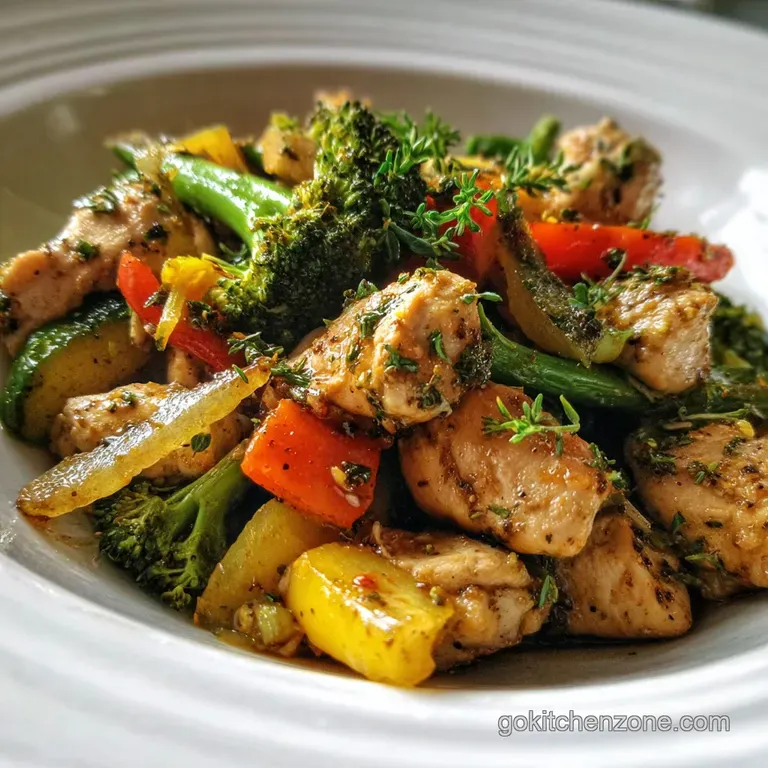
Following a plan based execution is the difference between a soggy mess and a restaurant quality plate. We are going to work in three distinct phases: prep, sear, and assemble.
Phase 1: Prep and Sauce Emulsion
- Slice the chicken. Cut the 1.5 lbs of chicken into 1 inch strips, going against the grain for maximum tenderness.
- Whisk the sauce. In a small bowl, combine the coconut aminos, toasted sesame oil, rice vinegar, arrowroot powder, ginger, and garlic. Note: Whisk until the arrowroot "disappears" to avoid clumps later.
- Prep the harvest. Chop all vegetables before the stove is even turned on.
Phase 2: The Sizzle and Sear
- Heat the pan. Add the avocado oil to the wok over high heat until it shimmers.
- Sear the protein. Add the chicken strips in a single layer. Cook 3-4 minutes until golden and no longer pink.Note: Don't crowd the pan; work in two batches if necessary.
- Remove and rest. Transfer the chicken to a plate to prevent it from overcooking while we handle the vegetables.
Phase 3: The Flash Fry Assembly
- Sauté the hardy veggies. Add the broccoli and carrots to the same pan. Cook 2-3 minutes until bright green but still firm.
- Add the soft veggies. Toss in the bell pepper, snap peas, and zucchini. Cook 2 minutes until the pepper edges just begin to soften.
- The Glaze. Pour the sauce mixture into the pan. Stir constantly for 1 minute until the liquid thickens and turns velvety.
- Reunite and Finish. Return the chicken to the pan, toss to coat everything in the glaze, and top with green onions and sesame seeds.
| Method | Texture Result | Best For |
|---|---|---|
| Stovetop (Wok) | Charred & Snappy | Authentic stir fry with maximum "wok hei" flavor. |
| Oven (Sheet Pan) | Tender & Roasted | Hands off cooking, though vegetables will be softer. |
| Electric Skillet | Evenly Cooked | Great for large batches where temperature control is key. |
Using the stovetop method is really the way to go here because you want that immediate evaporation of moisture. If the pan temperature drops, the vegetables will start to boil in their own juices rather than fry.
Fixing Common Stir Fry Mistakes
If things don't go perfectly the first time, don't worry. Most stir fry issues come down to temperature or moisture. It’s a fast paced way of cooking, so things happen quickly!
Troubleshooting Common Issues
| Issue | Solution |
|---|---|
| Stir fry watery | This usually happens if you add the vegetables while the pan is too cold or if you wash them right before tossing them in. Excess water on the surface of the veggies turns into steam. Always pat your |
| My garlic is burning | Garlic is delicate. In this recipe, we whisk it into the sauce rather than frying it in oil first. This protects the garlic from the direct heat of the pan, ensuring it flavors the sauce without turni |
| Fix "rubbery" chicken | Overcooking is the culprit here. Chicken breast dries out fast. By removing the chicken once it hits that 165°F (74°C) mark and only adding it back at the very end to coat it in sauce, we keep it juic |
Creative Swaps and Flavor Twists
This clean eating chicken veggie stir fry is incredibly flexible. Once you have the base technique down, you can swap things out based on what is lurking in your crisper drawer.
- If you want it Spicy: Add a teaspoon of red pepper flakes or a dollop of sriracha to the sauce whisking stage.
- If you want it Keto: Simply omit the carrots and use extra zucchini and bell peppers to keep the carb count even lower.
- If you want it Grain Free: Stick with the arrowroot as written. It's the gold standard for Paleo and Whole30-style thickening.
Chef's Note: Add a tiny splash of bone broth to the sauce if you want a "wetter" stir fry to serve over a large bed of cauliflower rice.
Debunking Stir Fry Myths
There is a common misconception that you need a specialized burner or a $200 carbon steel wok to get good results. That is simply not true. While a wok's shape helps with tossing, a wide stainless steel skillet offers better surface area for browning meat on a standard home stove.
Another myth is that "clean eating" means you have to skip the sauce. The sauce is where the satisfaction lives! By using coconut aminos instead of soy sauce with added caramel color and preservatives, you get all the umami without the junk.
Searing meat doesn't "seal in juices," but it does create the crust that makes this dish feel like a treat rather than a chore.
Storage and Zero Waste Methods
Stir fry is a meal prep legend because it actually tastes better the next day as the ginger and garlic seep into the chicken.
- Fridge: Store in an airtight container for up to 4 days.
- Freezer: I don't recommend freezing the fully cooked dish as the zucchini and peppers will become very mushy upon thawing. However, you can freeze the sliced raw chicken in the sauce for a "dump and cook" meal later.
- Zero Waste: Don't throw away those broccoli stalks! Peel the woody outer layer, slice the tender core into matchsticks, and toss them in with the carrots. They have a lovely, mild sweetness.
For reheating, skip the microwave if you can. A quick 2 minute toss in a hot skillet with a teaspoon of water will revive the textures much better than the "nuke" method, which often turns the chicken into leather.
Final Touches and Plating Ideas
Presentation is half the battle when you're trying to stay on track with healthy eating. A pile of brown food isn't inspiring, but a rainbow of vegetables is.
- The Height Factor: Mound the stir fry in the center of the bowl rather than spreading it flat. This keeps the heat trapped longer.
- The Garnish: Don't skip the green onions and sesame seeds. The onions add a fresh "bite" that cuts through the rich sauce, while the seeds provide a tiny pop of texture.
- The Base: Serve this over cauliflower rice for a low carb win, or use black rice for a dramatic, high antioxidant visual contrast.
Right then, let's crack on with dinner! You have the science, the steps, and the fixes. This chicken veggie stir fry is going to be a total winner on your table tonight. Just remember: keep that pan hot and don't be afraid of the sizzle. Happy cooking!
Recipe FAQs
Is stir fry considered clean eating?
Yes, when prepared with whole ingredients. Clean eating stir fry focuses on lean protein, abundant vegetables, healthy fats, and natural seasonings, avoiding refined sugars, excessive oils, and processed additives.
Is chicken in stir fry healthy?
Yes, chicken is a healthy protein source for stir fry. It's lean, packed with essential amino acids, and cooks quickly, making it ideal for high heat stir frying. For maximum tenderness, slice it thinly against the grain.
What is the secret ingredient in stir fry chicken?
High heat searing and the sauce ingredients are key. Properly searing the chicken at high temperatures creates a delicious crust, while a balanced sauce using ingredients like coconut aminos, ginger, and garlic adds depth without relying on unhealthy additives.
How to make a healthy stir fry sauce for chicken?
Combine coconut aminos, toasted sesame oil, rice vinegar, arrowroot powder, fresh ginger, and minced garlic. Whisk these ingredients together thoroughly in a small bowl before adding to the hot pan to thicken into a glaze.
How do I prevent my stir fry vegetables from becoming soggy?
Cook vegetables in batches over high heat and don't overcrowd the pan. Ensure your pan is very hot before adding ingredients, and cook heartier vegetables like broccoli and carrots for a couple of minutes before adding softer ones like bell peppers and zucchini. If you enjoyed controlling the texture of the vegetables here, the same principle of quick cooking applies to achieving perfect results in our Crispy Honey Garlic Tofu Recipe.
Can I make a clean eating chicken stir fry ahead of time?
Yes, you can prep components ahead for a faster meal. Slice chicken and chop vegetables up to 24 hours in advance and store them separately in airtight containers in the refrigerator. The sauce can also be mixed ahead of time.
Is it true that a wok is necessary for good stir fry?
No, this is a common misconception. While a wok is designed for stir frying, a large, heavy bottomed skillet or a cast iron pan on high heat works just as effectively. The most important factor is maintaining high heat for proper searing.
Chicken Veggie Stir Fry

Ingredients:
Instructions:
Nutrition Facts:
| Calories | 432 kcal |
|---|---|
| Protein | 54 g |
| Fat | 14 g |
| Carbs | 21 g |
| Fiber | 5 g |
| Sugar | 12 g |
| Sodium | 640 mg |
