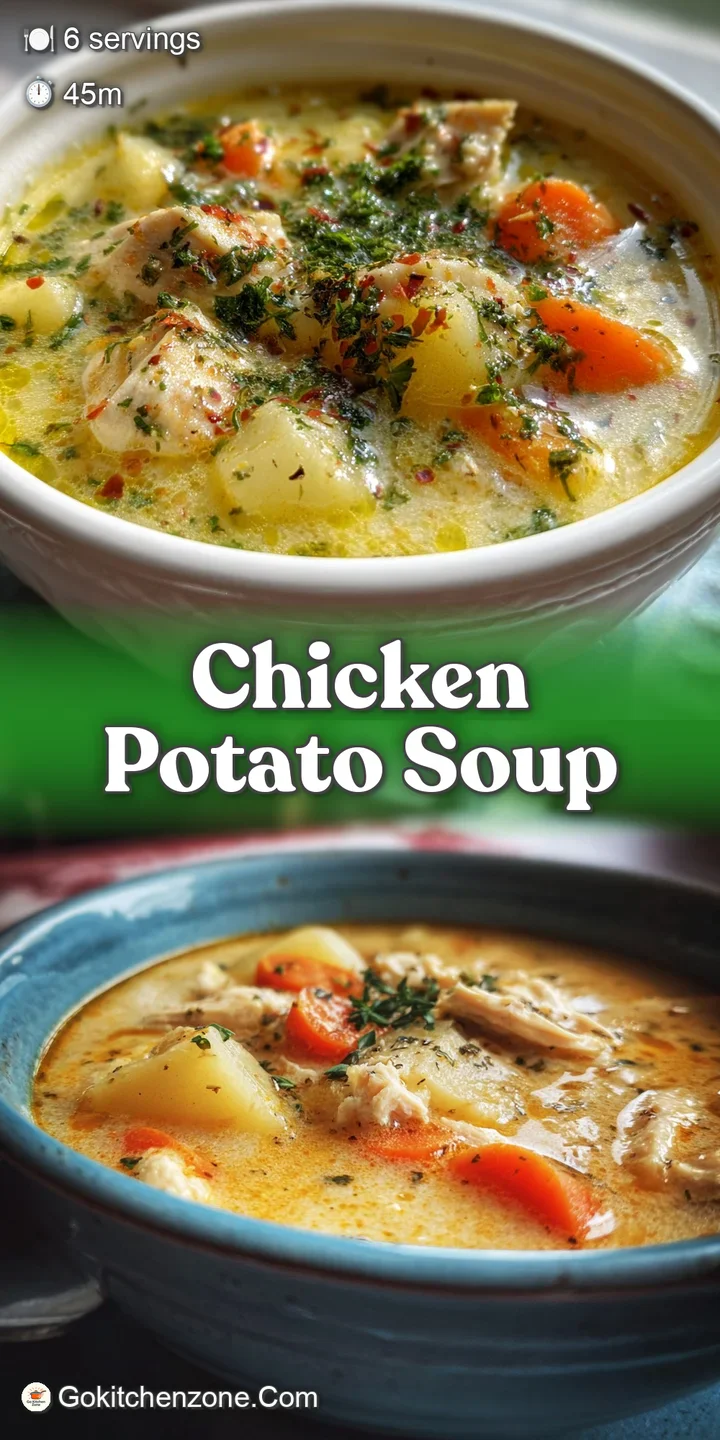
Chicken Potato Soup: Silky & Savory

- Time: Active 15 minutes, Passive 30 minutes, Total 45 minutes
- Flavor/Texture Hook: Silky, savory, and loaded with smoky bacon crumbles
- Perfect for: Stressful weeknights or cozy Sunday meal prep sessions
- Experience the Comfort of This Hearty Chicken Potato Soup
- Understanding the Specs for Your Next Weeknight Dinner
- Gathering the Essential Components for a Silky Base
- The Minimal Tools Required for Maximum Flavor
- Executing the Perfect Simmer with These Detailed Steps
- Navigating Common Obstacles and Achieving Soup Success
- Exploring Flavor Variations to Suit Every Palate
- Smart Strategies for Preserving Leftovers and Reducing Waste
- Finishing Touches to Make Your Bowl Look Incredible
- High in Sodium
- Recipe FAQs
- 📝 Recipe Card
Experience the Comfort of This Hearty Chicken Potato Soup
Picture this. It’s a Tuesday evening, the rain is drumming against the window, and the "dinner struggle" is hitting hard. You want something that feels like a hug in a bowl, but you don't have three hours to wait for a slow cooker.
I’ve been there more times than I can count, staring into the fridge hoping a meal would just assemble itself. That’s exactly how this Chicken Potato Soup came to be a staple in my kitchen.
It started with a few lonely potatoes and some chicken thighs I needed to use up. I remember the first time I got the sizzle of the bacon just right and watched the potatoes soften into the broth, creating that naturally creamy texture we all crave.
It isn't just about the food, it’s about that moment of relief when you take the first bite and realize you actually nailed it.
We are going for a balance of textures here. You’ll get the velvety feel of the broth, the tender bite of the chicken, and the salty crunch of bacon on top. It’s reliable, fast, and honestly, way better than anything you'd get from a deli counter.
Let’s get into how we make this happen without spending your whole night over the stove.
Understanding the Specs for Your Next Weeknight Dinner
Before we start chopping, we need to talk about the "why" behind this method. Most people think you need heavy cream to make a soup feel luxurious, but that’s a myth that often leads to a greasy finish. We are using a smarter approach that relies on simple physics to get that thickness.
- Starch Gelatinization: As the Yukon Gold potatoes simmer, they release amylopectin starches into the bone broth, which swell and thicken the liquid naturally.
- The Slurry Bridge: Mixing the flour into the 2% milk before adding it to the hot pot prevents clumping and creates a stable emulsion between the fat and the water based broth.
- Layered Seasoning: By searing the chicken thighs first, we create "fond" (those little brown bits on the bottom), which acts as a concentrated flavor base for the entire pot.
- Maillard Reaction: Sautéing the onions and carrots in the leftover bacon fat triggers a chemical change that develops sweetness and depth you can't get from boiling alone.
Knowing which cooking method fits your schedule is the first step to a successful meal. While the stovetop is my go to for the best texture, you have options depending on how much "hands off" time you need.
| Method | Total Time | Texture | Best For |
|---|---|---|---|
| Stovetop | 45 minutes | Creamy with distinct potato chunks | Quick weeknight dinner |
| Crock Pot | 6 hours (low) | Very soft, almost stew like | Set it and forget it days |
| Instant Pot | 35 minutes | Uniformly tender and cohesive | Last minute meal emergencies |
The stovetop method is what we’re focusing on today because it allows for the best control over the sear. If you’ve ever made my Country Fried Chicken recipe, you know that getting a good crust on your protein is the secret to a deep, savory profile. The same rule applies here.
Gathering the Essential Components for a Silky Base
To get this right, you need to understand the roles your ingredients play. This isn't just a list, it's the DNA of your dinner. Choosing the right potato, for example, is the difference between a silky soup and a grainy one.
Component Analysis
| Ingredient | Science Role | Pro Secret |
|---|---|---|
| Yukon Gold Potatoes | Texture Provider | These have a medium starch content that holds its shape but sheds enough starch to thicken the broth. |
| Chicken Thighs | Fat & Protein | Thighs stay juicy during the simmer, whereas breasts can turn "woody" and dry. |
| Bone Broth | Flavor Foundation | Rich in collagen, which adds a "sticky" lip smacking quality that regular stock lacks. |
- 1.5 lbs Yukon Gold potatoes
- Why this? Their buttery texture eliminates the need for heavy cream or excessive butter.
- 6 cups low sodium chicken bone broth
- Why this? Provides a more intense flavor profile and extra protein compared to standard broth.
- 1.5 cups 2% milk
- Why this? Adds creaminess without the heavy caloric load of heavy whipping cream.
- 2 tbsp all purpose flour
- Why this? Acts as the secondary thickener to ensure the soup doesn't separate.
- 4 slices center cut bacon
- Why this? The rendered fat is used to sauté the vegetables for a smoky undertone.
- 2 tbsp extra virgin olive oil
- For the initial sear.
- 2 tbsp fresh chives or parsley
- A necessary hit of freshness at the end.
The Minimal Tools Required for Maximum Flavor
You don't need a kitchen full of gadgets for this. One of the best parts about this recipe is that it’s nearly a one pot affair. I usually reach for my 6 quart Dutch oven (like a Lodge or Le Creuset) because the heavy bottom prevents the potatoes from scorching as they settle.
You will also need a sharp chef's knife for dicing the potatoes into 1/2 inch cubes. If you cut them too large, the centers won't soften by the time the chicken is done. A simple whisk is also vital for mixing the flour into the milk.
This prevents "flour bombs" - those little white lumps of raw dough that ruin the texture of an otherwise perfect soup.
Executing the Perfect Simmer with These Detailed Steps
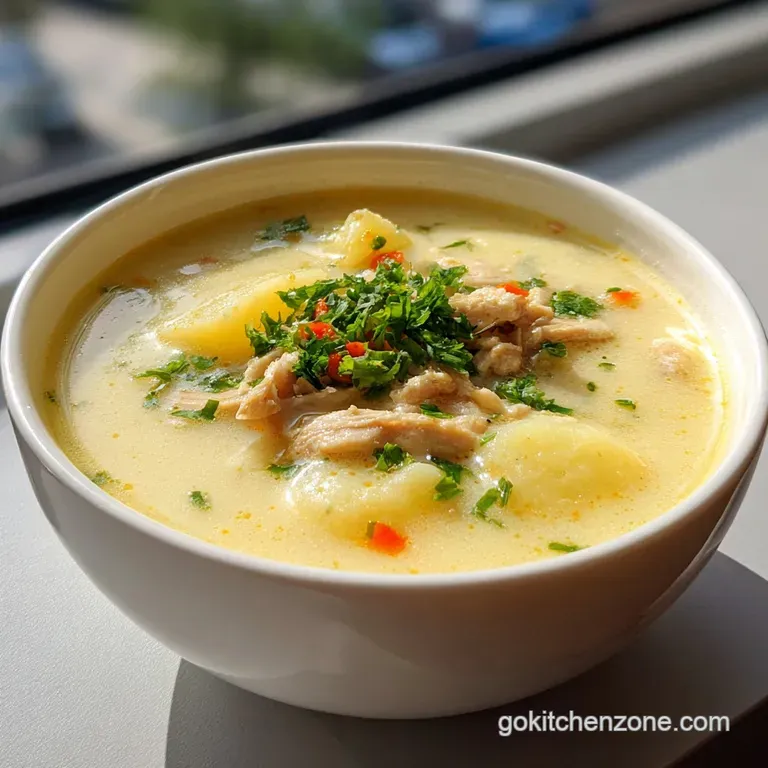
Let’s get cooking. Follow these steps in order, and don't rush the vegetable sauté. That’s where the magic happens.
- Render the bacon. Place the 4 slices of bacon in the pot over medium heat. Cook until crispy and deep brown. Remove and crumble, but leave the fat in the pot.
- Sear the chicken. Season your 1.5 lbs of chicken pieces with salt and pepper. Add 2 tbsp olive oil to the bacon fat and sear the chicken until golden and slightly charred. Remove chicken and set aside. Note: Don't worry if it's not cooked through; it will finish in the broth.
- Sauté the aromatics. Toss in the diced onion, carrots, and celery. Cook for 6 minutes until the onions are translucent and fragrant.
- Bloom the garlic and herbs. Add the 3 cloves of minced garlic, 1 tsp thyme, and the bay leaf. Stir for 60 seconds until the garlic smells toasted but not burnt.
- Build the base. Pour in the 6 cups of bone broth and use a wooden spoon to scrape the bottom of the pot. Note: This releases the flavor packed fond.
- Simmer the potatoes. Add the 1.5 lbs of diced potatoes. Bring to a boil, then reduce to a simmer for 15 minutes until the potatoes are fork tender.
- Reintroduce the chicken. Slide the seared chicken back into the pot. Let it simmer with the potatoes for another 5 minutes.
- Thicken the soup. In a small jar, whisk the 1.5 cups of milk with 2 tbsp flour. Slowly pour this slurry into the simmering soup while stirring constantly.
- Finish the texture. Continue to simmer for 5 more minutes until the broth turns velvety and coats the back of a spoon.
- Garnish and serve. Remove the bay leaf. Stir in half of the bacon and chives. Serve immediately with the remaining bacon sprinkled on top.
Navigating Common Obstacles and Achieving Soup Success
Even simple recipes can hit a snag. The most common complaint I hear is that the soup turned out too thin or, worse, the potatoes turned into mush. Don't panic; it's usually an easy fix.
Why Your Potatoes Disappeared
If you use Russet potatoes instead of Yukon Golds, they have a tendency to fall apart. Russets are high starch and "mealy," meaning they dissolve into the broth. While this makes the soup thick, you lose the satisfying bite of the potato chunks. Stick to waxy or all purpose varieties for the best result.
Fixing a Thin Broth
If your soup looks more like a watery broth than a creamy meal, your slurry might need a boost. Sometimes the water content in the vegetables varies. You can fix this by taking one cup of the potatoes out, mashing them with a fork, and stirring them back in. This adds instant body without changing the flavor.
| Problem | Root Cause | Solution |
|---|---|---|
| Lumpy broth | Flour added directly to hot liquid | Mix flour into cold milk first to create a slurry. |
| Tough chicken | Using chicken breasts or over boiling | Switch to thighs and keep the pot at a gentle simmer. |
| Bland flavor | Not enough salt or missing the "fond" | Add a splash of apple cider vinegar or more sea salt. |
Common Mistakes Checklist
- ✓ Never skip the searing step - those brown bits are your flavor engine.
- ✓ Dice potatoes into uniform 1/2 inch cubes so they cook at the same rate.
- ✓ Pat the chicken dry with paper towels before searing to prevent steaming.
- ✓ Don't boil the soup after adding the milk; a hard boil can cause the dairy to curdle.
- ✓ Let the soup sit for 5 minutes before serving to allow the starches to fully set.
Exploring Flavor Variations to Suit Every Palate
Once you have the base down, you can really play around with this. If you are looking for something even more indulgent, you might like the flavor profile of a Creamy Chicken Stroganoff recipe, which uses sour cream for tanginess.
- The Smokehouse Special
- Add 1/2 tsp of liquid smoke or use smoked paprika instead of thyme. This pairs beautifully with the bacon.
- The Healthy No Cream Version
- Use a blender to puree two cups of the cooked potatoes and broth, then stir it back in. Skip the milk and flour entirely for a dairy-free thickener.
- The "Crock Pot" Shortcut
- Toss everything except the milk, flour, and bacon into the slow cooker for 6 hours. Add the slurry at the very end and cook on high for 20 minutes.
If you want...
- More heat: Add a diced jalapeño with the onions.
- More greens: Stir in two cups of fresh spinach 2 minutes before serving.
- A budget version: Use bone in chicken thighs and remove the bones after simmering (this saves about $2 per pound).
Smart Strategies for Preserving Leftovers and Reducing Waste
This soup actually tastes better the next day. As it sits in the fridge, the starches and proteins continue to meld, creating a much more cohesive flavor profile.
Storage: Store in an airtight container in the fridge for up to 4 days. When reheating, you may need to add a splash of water or broth, as the potatoes will continue to soak up liquid and the soup will thicken significantly.
Freezing: This recipe freezes decently, but be warned: potatoes can sometimes get a bit grainy after thawing. If you plan to freeze it, undercook the potatoes slightly. It will keep for up to 3 months. Thaw overnight in the fridge before reheating on the stove.
Zero Waste Tip: Don't throw away your onion skins or celery ends! Toss them into a freezer bag. Once the bag is full, boil them with water to make your own vegetable scrap broth for the next time you make this soup.
Finishing Touches to Make Your Bowl Look Incredible
We eat with our eyes first, right? A bowl of beige soup can look a little boring, so the garnish is where you make it pop. I love a heavy hand with the fresh chives because the bright green contrast against the creamy broth is stunning.
Chef's Tip: If you want a restaurant style finish, drizzle a tiny bit of high-quality olive oil over the top right before serving. It catches the light and adds a velvety mouthfeel to the very first spoonful.
Try serving this with a crusty piece of sourdough or even some garlic bread. The acidity of sourdough cuts through the richness of the chicken and potatoes perfectly. If you're feeling fancy, a little extra cracked black pepper and a pinch of smoked sea salt on top of the bacon bits will make people think you spent all day on this.
Trust me, this is the kind of recipe that makes people ask for seconds before they've even finished their first bowl. Let's crack on and get that pot simmering!
High in Sodium
985 mg mg of sodium per serving (43% % of daily value)
The American Heart Association recommends limiting sodium intake to about 2,300mg per day for overall cardiovascular health.
Tips to Reduce Sodium in Your Chicken Stew
-
Broth Swap-30%
Use unsalted or homemade chicken bone broth instead of low-sodium broth. This simple switch can significantly reduce sodium levels.
-
Salt Smartly-25%
Reduce the amount of sea salt added. Start with half a teaspoon and taste before adding more, or eliminate it entirely as the broth may provide sufficient saltiness. The bacon will also add salty flavour.
-
Bacon Be Gone (or Limited)-25%
While bacon adds flavor, it's a significant source of sodium. Reduce the amount of bacon or substitute with a sodium free alternative, such as smoked paprika, for a similar smoky flavor.
-
Consider Unsalted Butter-15%
Instead of creating a roux with flour and milk, consider using unsalted butter and then whisking in the milk, as this can add richness without increasing sodium.
-
Herb Power
Enhance flavor with fresh herbs like rosemary, sage, or parsley. These natural flavor enhancers can help offset the need for salt.
Recipe FAQs
Would chicken be good in potato soup?
Yes, absolutely. Chicken adds a savory depth and protein boost that complements the creamy texture of potato soup beautifully, making it a heartier and more satisfying meal. It can be cubed, shredded, or even use leftover rotisserie chicken for convenience.
What are some common mistakes to avoid when making potato soup?
Don't use starchy potatoes like Russets exclusively if you want distinct potato chunks; they tend to break down too much. Also, avoid adding dairy too early or boiling vigorously after it's in, as this can cause curdling. Ensure your potatoes are cut to a uniform size for even cooking.
Should you cook potatoes before adding to soup?
No, generally you cook potatoes directly in the soup broth. This allows them to absorb the flavors of the soup as they soften, and the starch released from the potatoes helps to naturally thicken the broth. If you enjoyed mastering the technique of controlled starch release here, see how it applies to thickening broths in our Healthy Garlic Parmesan Chicken Pasta | High Protein & Easy Dinner.
What are common mistakes when making chicken soup?
A common mistake is not building enough flavor in the base by skipping aromatics or not searing the chicken properly. Overcooking chicken breasts can also result in dry, tough meat. For a flavorful, well rounded chicken dish, consider the techniques used in our Mediterranean Chicken Wraps in 20 Minutes: Grilled & Zesty for layering zest and herbs.
Can I make chicken potato soup with frozen chicken?
Yes, but thaw it first for best results. While you can add frozen chicken to some soups, for chicken potato soup, especially if you want to sear it for added flavor as suggested in many recipes, thawing ensures it cooks evenly and develops a good texture. If you're short on time and need a quick chicken fix, our Chicken Club Sandwich in 20 Minutes: Ultimate Loaded utilizes pre-cooked or quick cooked chicken effectively.
What kind of potatoes are best for chicken potato soup?
Waxy or all-purpose potatoes like Yukon Golds are ideal. They hold their shape well during simmering, providing a pleasant bite, while still releasing enough starch to create a naturally creamy broth. Russet potatoes can work but tend to break down more, making the soup thicker but less chunky.
How do I make chicken potato soup creamy without heavy cream?
Puree some of the cooked potatoes and broth, or use a slurry of flour and milk. Pureeing a portion of the potatoes and stirring them back into the soup creates a naturally thick and creamy texture.
Alternatively, a simple mixture of flour and milk whisked together and simmered will also thicken the soup beautifully without the richness of heavy cream.
Chicken Potato Soup
Ingredients:
Instructions:
Nutrition Facts:
| Calories | 386 calories |
|---|---|
| Protein | 34.8 g |
| Fat | 14.2 g |
| Carbs | 28.4 g |
| Fiber | 3.2 g |
| Sugar | 5.1 g |
| Sodium | 985 mg |
