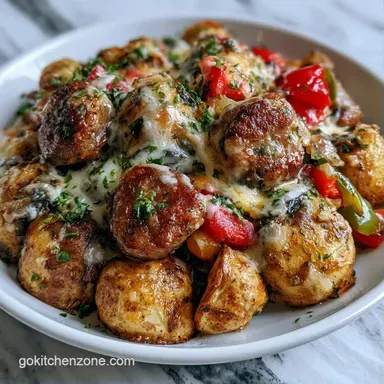
One-Pan Cheesy Summer Sausage Skillet
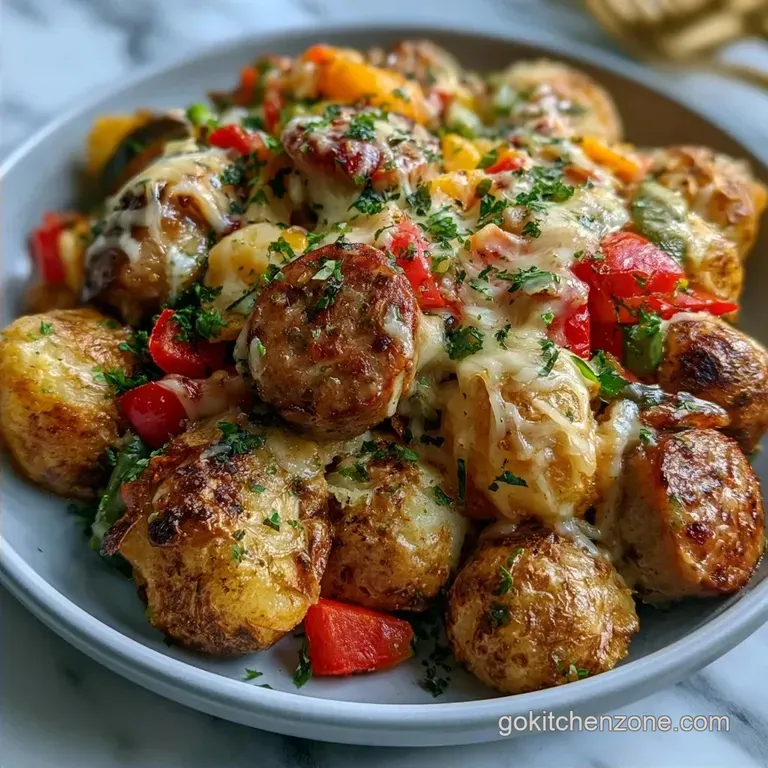
- Time: 5 minutes prep | 20 minutes cooking
- Taste & Texture: Deep brown crispy edges paired with gooey, melted cheese
- Perfect for: A hectic weeknight or a low-stress comfort dinner
- Easy Cheesy Summer Sausage Skillet Recipe
- Essential Ingredients List
- Quick Recipe Specs
- The Right Tools
- What Each Ingredient Does
- Making the Skillet
- Fixing Common Issues
- Adjusting the Portion
- Debunking Kitchen Myths
- Keeping It Fresh
- Perfect Side Pairings
- Different Flavor Twists
- Critical Sodium Level
- Recipe FAQs
- 📝 Recipe Card
That satisfying sizzle as the sliced sausage hits a scorching cast iron skillet is the soul of this dish. While most think of summer sausage as a cold appetizer, heating it lets the fats render, creating a flavorful base that elevates every other ingredient.
The most common mistake with skillet meals is the "steam effect." When you dump everything in together, moisture from the vegetables traps the potatoes, resulting in a bland, soggy texture. This method avoids that by cooking in distinct phases.
The goal is a specific contrast: potatoes that are crisp and golden on the exterior but tender inside, all brought together by a Cheesy Summer Sausage Skillet finish. It’s simple, salty comfort food that keeps your cleanup minimal.
Easy Cheesy Summer Sausage Skillet Recipe
The reason this works is all about the order of operations. By removing the sausage after the initial sear, we clear space in the pan so the potatoes can actually brown instead of boiling in meat juices.
Searing Sequence: Browning the meat first creates a flavor base. The rendered fat then fries the potatoes, adding a layer of savory depth you can't get from oil alone.
Potato Spacing: Yukon Golds hold their shape better than Russets. Leaving them undisturbed for five minutes allows a crust to form, which prevents them from turning into mash when the cheese melts.
Temperature Control: Dropping the heat before adding the cheese is the only way to prevent the dairy from breaking or burning. A quick steam under a lid melts the cheddar without overheating the rest of the ingredients.
| Meat Type | Prep Time | Texture | Best For |
|---|---|---|---|
| Fresh Kielbasa | 25 min | Juicy/Soft | Slow dinners |
| Summer Sausage | 20 min | Firm/Crispy | Fast weeknights |
Essential Ingredients List
This recipe is wonderful because it uses basic staples you likely already have in your kitchen. Sharp cheddar is essential here to cut through the saltiness of the cured meat.
The Hearty Base
Yukon Gold potatoes act as the anchor. With a medium starch content and a naturally buttery flavor, they help create that ideal golden exterior.
The Flavor Aromatics
Yellow onions paired with red and green bell peppers offer a sweetness that offsets the smoked paprika. To keep it from burning and turning bitter, add the garlic at the very end.
The Cheesy Finish
Sharp cheddar delivers the boldest flavor. I generally avoid pre-shredded bags since they contain anti clumping potato starch, which can lead to a slightly grainy melt.
Quick Recipe Specs
This is a high efficiency meal. Since the sausage is already cured, we aren't worrying about internal meat temperatures, only getting the exterior texture right.
- Prep time: 5 minutes
- Cook time: 20 minutes
- Total time: 25 minutes
- Servings: 4 people
- Pan size: 12 inch skillet
The Right Tools
You can use stainless steel, but a 12 inch cast iron skillet is the way to go. Cast iron holds a steady heat that is necessary for those mahogany colored sausage edges.
A slotted spoon is also necessary. You want the fat in the pan for the potatoes, but you don't want the cooked sausage pieces getting in the way while the potatoes are trying to brown.
What Each Ingredient Does
| Component | Purpose | Substitute Notes |
|---|---|---|
| Summer Sausage (450g) | Main source of salt and richness | Smoked Andouille: Offers a bolder, spicier taste |
| Yukon Gold Potatoes (450g) | Provides structure and body | Red Potatoes: Works well, though slightly waxier |
| Sharp Cheddar (1.5 cups) | Melty, creamy glue | Pepper Jack: Introduces a bit of heat |
| Smoked Paprika (1/2 tsp) | Adds woody, smoky flavor | Cumin: Shifts toward a taco style profile |
Now, let's go over exactly what you'll need to have ready.
- 450g summer sausage, cut into 0.6cm rounds Why this? Using cured meat gives immediate complexity without needing hours to simmer
- 450g Yukon Gold potatoes, cubed to 1.3cm Why this? These maintain their form while searing at high temperatures
- 30ml olive oil Why this? Ideal for achieving a golden brown sear
- 1 medium yellow onion, diced
- 1 red bell pepper, chopped
- 1 green bell pepper, chopped
- 3 cloves garlic, minced
- 2.5ml smoked paprika
- Salt and black pepper to taste
- 1.5 cups shredded sharp cheddar cheese
- 2 tbsp fresh parsley, chopped
- 60ml sliced green onions
Making the Skillet
Time to get started. Ensure your skillet is piping hot before adding the sausage to the fat.
Searing the Meat
Heat a 12 inch cast iron skillet over medium high. Arrange the sliced summer sausage in a single layer. Brown for 3-4 minutes per side until the edges are mahogany colored and crisp. Using a slotted spoon, transfer the meat to a plate, keeping the residual fat in the pan.
Browning the Potatoes
Add olive oil if the pan seems too dry. Stir in the diced potatoes, spreading them evenly. Let them sear without moving for 5 minutes until a golden brown crust develops. Stir once and continue cooking for another 5-7 minutes until they are fork tender.
Softening the Vegetables
Mix in the diced onion and bell peppers. Cook for 4-5 minutes until the onion is clear and the peppers have softened. Stir in the smoked paprika and minced garlic, heating for 60 seconds until aromatic.
Melting the Cheese
Put the seared sausage back into the skillet and toss everything together. Lower the heat. Evenly sprinkle shredded cheddar over the top and cover with a lid for 1-2 minutes until the cheese is velvety and melted.
Finishing the Dish
Take the pan off the heat immediately. Top with sliced green onions and fresh parsley.
Chef's Note: Using a lid during the cheese phase is essential. Otherwise, your potatoes may overcook before the cheese fully melts.
Fixing Common Issues
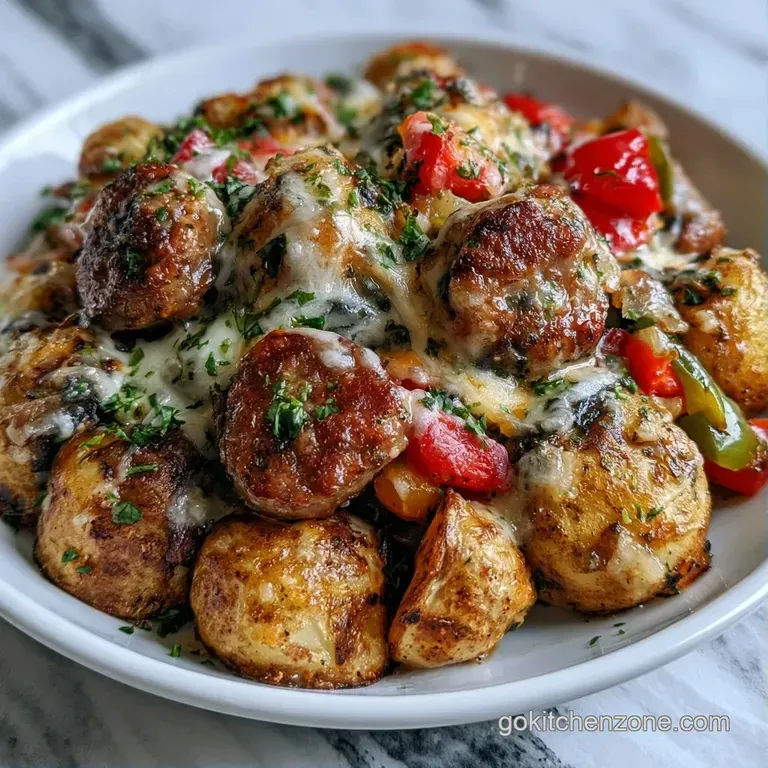
Most problems with a Cheesy Summer Sausage Skillet come down to moisture and heat management. If the pan is too crowded, the food steams instead of searing.
Preventing Mushy Potatoes
If your potatoes feel soft and boiled rather than crispy, you likely stirred them too often or used a pan that was too small. You need a 12 inch surface to ensure enough evaporation happens.
Stopping Cheese from Breaking
If the cheese separates into oil and clumps, your heat was too high. Always drop the burner to low before adding the cheddar.
Avoiding Burnt Garlic
Garlic burns in seconds at medium high heat. Adding it in the last 60 seconds of the vegetable sauté ensures it releases its flavor without turning black.
| Problem | Fix |
|---|---|
| Soggy potatoes | Don't stir for the first 5 minutes |
| Oily cheese | Lower heat to minimum before sprinkling |
| Burnt garlic | Add garlic only after peppers are soft |
Adjusting the Portion
Whether you are preparing a meal for one or several guests, you can adjust the quantities, though the pan's mechanics remain constant.
Scaling Down (2 Servings): Switch to a smaller 8 inch skillet. Cut the potato cooking time by roughly 20% since they will heat through faster. You still need that 5 minute undisturbed sear to develop the crust.
Scaling Up (8 Servings): Avoid doubling the recipe in a single pan to prevent a soggy result. Instead, prepare the sausage and potatoes in batches. For the final combination, a large oven safe braiser works best.
Keep the spices at 1.5x rather than 2x to prevent over salting, as the summer sausage adds significant sodium.
| Goal | Exact Change |
|---|---|
| Extra heat? | add 1/2 tsp cayenne |
| Heartier meal? | add 1 cup cooked quinoa |
| Tangier finish? | top with pickled jalapeños |
Debunking Kitchen Myths
There's a lot of noise about cured meats and skillet cooking. Let's set a few things straight.
One common thought is that you need to boil potatoes before putting them in a skillet to ensure they're cooked. That's unnecessary for small 1.3cm cubes. Searing them raw actually creates a better texture and locks in the flavor.
Another myth is that summer sausage is only for cold plates. Because it's pre cooked, people assume it's "done." Heating it changes the molecular structure of the fats, making the flavor more intense and the texture more satisfying.
Keeping It Fresh
Because this is a one-pan dish, the leftovers hold up remarkably well.
Refrigeration: Keep leftovers in a glass container for up to 3 days. The potatoes will soak up some of the cheese sauce while resting, which actually enhances the flavor the next morning.
Reheating: Skip the microwave if you want to maintain the crisp texture. Instead, warm the leftovers in a skillet over medium heat with a teaspoon of butter or water. Cover the pan for 2 minutes to steam the cheese back to life.
Zero Waste: Save your onion ends and bell pepper trimmings in a bag in the freezer. Once you've collected enough, simmer them with a few carrot peels to create a quick vegetable stock.
Perfect Side Pairings
Since this dish is quite rich and salty, pairing it with something bright will balance the flavors. A peppery arugula salad with a zesty lemon dressing is an excellent choice.
To transform this into a complete meal, I suggest serving it with steamed broccoli or roasted asparagus. For an even more decadent experience, a side of Homemade Alfredo Sauce makes a wonderful dip for the potatoes.
Different Flavor Twists
Feel free to customize this dish based on what you have in your kitchen.
Add Some Grains: For extra heartiness, stir in a cup of cooked quinoa or brown rice during the final step. If you're looking for a similar meal with a different base, try my Summer Sausage Rice Skillet, which utilizes a similar searing method.
Low-Carb Alternative: Use diced cauliflower or radishes instead of Yukon Gold potatoes. These only need to sauté for about 8-10 minutes total, as their higher water content means they soften more quickly.
Add some Heat: Substitute the sharp cheddar with Pepper Jack and toss in a pinch of red pepper flakes when adding the garlic. This gives the Cheesy Summer Sausage Skillet a bit more of a punch.
Load up on Vegetables: Add mushrooms or sliced zucchini at the same time as the bell peppers. Just be careful not to crowd the pan, or you'll miss out on that perfectly crisp potato texture.
And that's the trick to making a Cheesy Summer Sausage Skillet without it becoming soggy. The key is the initial sear, being patient with the potatoes, and finishing the cheese over low heat.
Once you start using summer sausage for dinner instead of just as a cold appetizer, your weeknight menu will be totally transformed. Give it a try tonight.
Critical Sodium Level
1321 mg 1,321 mg of sodium per serving (57% 57% of daily value)
The American Heart Association recommends a limit of 2,300 mg of sodium per day, with an ideal limit of no more than 1,500 mg for most adults to reduce the risk of cardiovascular disease.
Sodium Reduction Strategies
-
Swap the Sausage-30%
Replace the processed summer sausage with fresh grilled chicken breast or a low-sodium turkey sausage to drastically lower the salt content.
-
Omit Added Salt-25%
Completely remove the 'salt to taste' and instead use a squeeze of fresh lemon juice or apple cider vinegar to provide a zesty flavor punch.
-
Moderate the Cheese-15%
Reduce the shredded sharp cheddar by half or substitute it with a lower sodium option like fresh mozzarella or Swiss cheese.
-
Enhance Natural Aromatics
Double the amount of fresh parsley, green onions, and garlic to create deeper flavor profiles without adding any sodium.
Recipe FAQs
Is it true summer sausage must be cooked before eating?
Not true. These sausages are pre-cooked and safe to eat cold.
Tip: Searing them first unlocks the smoky depth needed for this skillet.
How to achieve a golden potato crust?
Leave the diced potatoes undisturbed in the pan for five minutes.
Tip: Avoid stirring too early to prevent the vegetables from steaming.
Can I use different potato varieties?
Yukon Gold is recommended for structure, but Russets work if you prefer a fluffier texture.
Tip: If you enjoyed mastering potato texture here, see how the same principle works in our velvety sauce side.
How long does the finished skillet last?
Store leftovers in a sealed container in the refrigerator for a few days.
Tip: Reheat in a cast iron pan over medium heat to restore the crisp edges.
Does adding all vegetables at once ensure even cooking?
False. Mixing everything together traps moisture and makes the potatoes soggy.
Tip: Use the staged cooking method to maintain distinct textures.
What's the best way to melt the cheese?
Lower the heat and cover the skillet with a lid for 1-2 minutes.
Tip: Remove from heat immediately once the cheddar is velvety to avoid oil separation.
Cheesy Summer Sausage Skillet