How Long to Bake Chicken Thighs: Crispy Skin
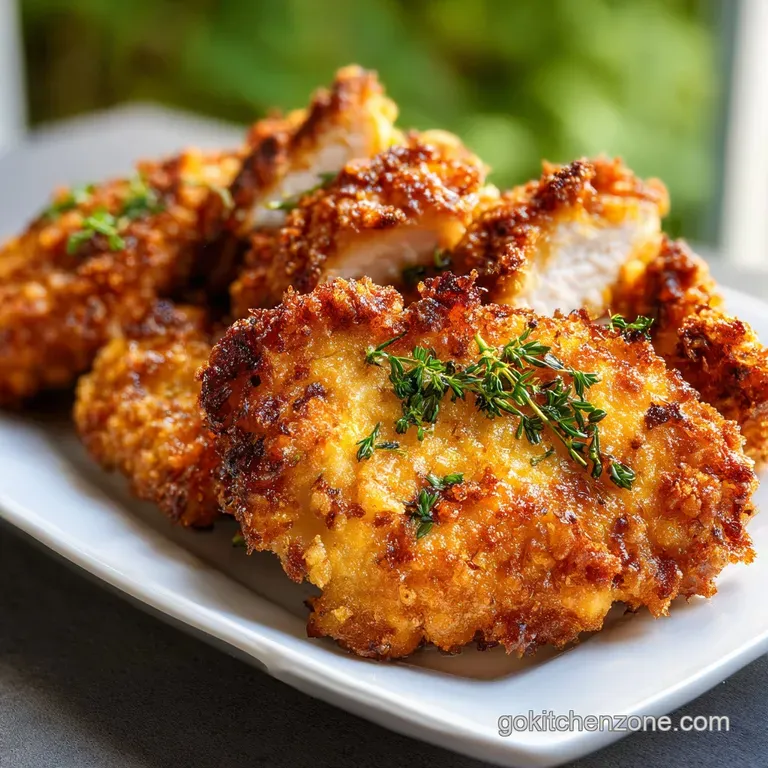
- Time: Active 10 minutes, Passive 35 minutes, Total 45 minutes
- Flavor/Texture Hook: Crackling skin with a smoky, garlic infused finish
- Perfect for: Busy weeknights where you need reliability without constant hovering
How Long To Bake Chicken Thighs
I remember the Tuesday night everything changed. I was staring at a pack of 3 lbs bone in, skin on chicken thighs, feeling that familiar dinner struggle. My old method usually resulted in skin that felt like wet cardboard and meat that was somehow both dry and suspiciously pink near the bone.
It was frustrating because I knew thighs were supposed to be the "easy" cut. I decided to crank the heat to 400°F (200°C) and stop poking the meat every five minutes. The result? A literal sizzle that sounded like applause when I opened the oven door.
When that skin finally hit the right temperature, it didn't just brown, it transformed. I heard a distinct crackle as I lifted them off the pan. My friend came over, took one bite, and asked what fancy restaurant I’d ordered from.
Honestly, it’s just about knowing exactly how long to let them ride in the heat. We are going for that golden, burnished glow that only comes from leaving the oven door shut and letting the thermodynamics do the heavy lifting.
This guide is about stripping away the fluff. We aren't doing anything gourmet or complicated here. We are using minimal tools, a solid sheet pan, and a few pantry staples to get a result that works every single time.
You’ll get that velvety texture inside and a crust that stays crispy even after it sits on the plate for ten minutes. Let's get into the specifics of how we make that happen without losing our minds on a school night.
Why This Method Wins
- The Thermal Battery: The central bone acts as a heat conductor, cooking the meat from the inside out while preventing the muscle fibers from tightening too quickly.
- Subcutaneous Rendering: High heat at 400°F (200°C) melts the fat under the skin, essentially frying the skin from the bottom up while it roasts.
- Maillard Acceleration: The combination of smoked paprika and garlic powder creates a sugar protein reaction that browns much faster than plain salt and pepper.
- Carryover Efficiency: Dark meat is forgiving because its high connective tissue content turns into gelatin at higher internal temperatures, unlike lean breasts.
The Geometry of the Crisp
The secret to the shatter crisp skin is surface area and airflow. By using bone in thighs, the meat holds its shape better, allowing the skin to stretch tight over the top. This creates a flat surface for the heat to hit evenly. When you use this technique, similar to my favorite Baked Chicken Thighs recipe, you ensure the heat circulates around the entire piece of protein.
| Thickness | Internal Temp | Rest Time | Visual Cue |
|---|---|---|---|
| 1 inch | 175°F | 5 mins | Skin is hard to the touch |
| 1.5 inches | 175°F | 8 mins | Juices run completely clear |
| 2 inches | 175°F | 10 mins | Meat pulls away from bone |
Don't be afraid of that higher internal temperature. While 165°F (74°C) is the safety standard, chicken thighs actually taste much better and have a more velvety texture when they hit 175°F (80°C).
This extra heat helps break down the collagen, making the meat fall off-the bone tender rather than rubbery.
Ingredient Science Breakdown
| Ingredient | Science Role | Pro Secret |
|---|---|---|
| Smoked Paprika | Color Catalyst | It provides a deep red hue that mimics a long smoking process in just 35 minutes. |
| Fine Sea Salt | Moisture Draw | It pulls proteins to the surface, which then dry out to form a crust. |
| Olive Oil | Heat Transfer | Oil conducts heat more efficiently than air, ensuring the spices don't just burn on top. |
| Garlic Powder | Umami Punch | Unlike fresh garlic, the powder won't burn and turn bitter in a 400°F oven. |
The choice of fine sea salt over coarse kosher salt for this specific recipe is intentional. The smaller grains dissolve faster into the 2 tbsp extra virgin olive oil, creating a slurry that coats every nook and cranny of the skin.
If you used large flakes, they might bounce off the skin or create over salted "hot spots" that ruin the balance.
Ingredients And Smart Substitutions
- 3 lbs bone in, skin on chicken thighs: Why this? The bone adds flavor and prevents the meat from drying out during roasting.
- Substitute: Boneless thighs (reduce cook time to 20-25 minutes).
- 2 tbsp extra virgin olive oil: Why this? High smoke point and excellent flavor carrier for the dry spices.
- Substitute: Avocado oil or melted ghee.
- 1.5 tsp fine sea salt: Why this? Penetrates the skin deeply for seasoning throughout the meat.
- Substitute: 2 tsp Kosher salt.
- 1 tsp freshly cracked black pepper: Why this? Provides a sharp, floral heat that cuts through the fatty dark meat.
- Substitute: White pepper for a more subtle, earthy heat.
- 1.5 tsp smoked paprika: Why this? Adds the "outdoor grill" flavor and a beautiful mahogany color.
- Substitute: Sweet paprika or a pinch of chipotle powder.
- 1 tsp garlic powder: Why this? Distributes flavor evenly without the risk of burning fresh cloves.
- Substitute: Granulated garlic.
- 1 tsp onion powder: Why this? Adds a savory depth that rounds out the spice profile.
- Substitute: Shallot powder or celery salt (reduce sea salt if using).
- 0.5 tsp dried oregano: Why this? Provides an earthy, herbal backnote that keeps the dish from being one note.
- Substitute: Dried thyme or Italian seasoning blend.
If you happen to find yourself without bone in meat and need a faster solution, you could try this Chicken Bites Recipe. It uses similar spices but cooks in a fraction of the time. However, for that classic "Sunday roast" feel on a Tuesday, nothing beats the bone in thigh.
step-by-step Cooking Guide
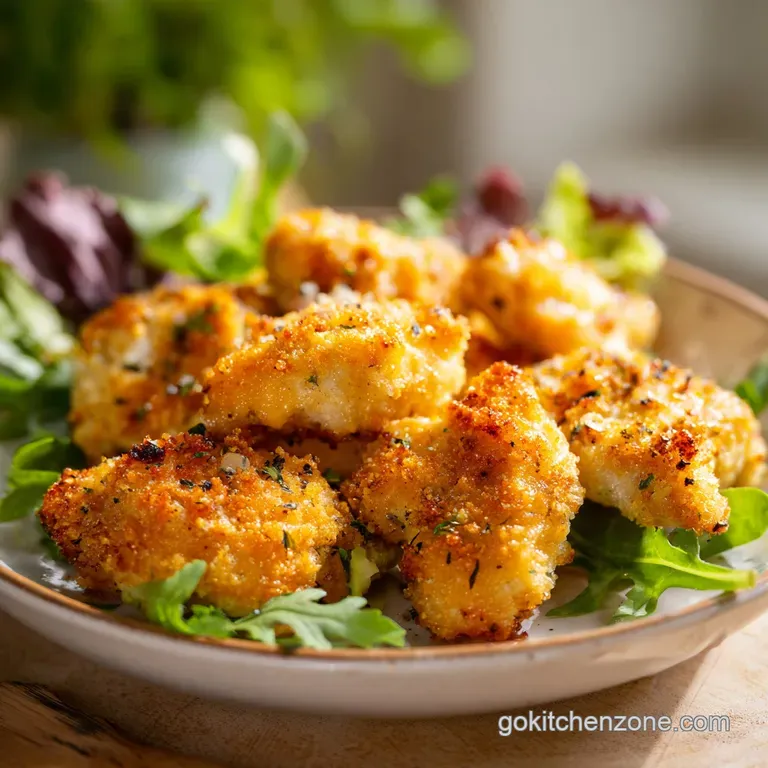
- Preheat your oven to 400°F (200°C). Note: A hot oven is non negotiable for crispy skin.
- Pat the 3 lbs bone in, skin on chicken thighs dry with paper towels. Keep going until the paper comes back bone dry.
- Combine the 1.5 tsp fine sea salt, 1 tsp black pepper, 1.5 tsp smoked paprika, 1 tsp garlic powder, 1 tsp onion powder, and 0.5 tsp dried oregano in a small bowl.
- Drizzle the 2 tbsp extra virgin olive oil over the chicken in a large mixing bowl. Note: Use your hands to ensure every inch of skin is coated.
- Sprinkle the spice matrix over the chicken, tossing well to coat. Look for a uniform orange red coating on all sides.
- Place the chicken skin side up on a large rimmed baking sheet. Note: Leave at least an inch of space between each thigh for airflow.
- Bake for 35 minutes until the skin is dark golden and the juices run clear.
- Check the internal temperature with a meat thermometer. Target 175°F (80°C) for the best texture.
- Remove from the oven and let the chicken rest on the pan. Note: Resting allows the internal juices to redistribute so they don't flood the plate.
- Serve immediately while the skin still has that signature shatter.
Chef's Tip: If you want an even more intense crunch, place a wire cooling rack inside your baking sheet and set the chicken on top of that. This allows the hot air to circulate under the thighs, preventing the "soggy bottom" syndrome where the meat sits in its own rendered fat.
Troubleshooting Common Problems
The Skin Is Rubbery
This is the most common heartbreak in the kitchen. Usually, it happens because the chicken wasn't dry enough before the oil went on, or the oven wasn't actually at 400°F (200°C). Moisture is the enemy of the crisp. If there is water on the skin, it steams rather than roasts.
Always use more paper towels than you think you need.
Meat Is Still Pink Near Bone
Don't panic! Pinkness near the bone in chicken thighs is often due to the pigment in the bone marrow leaching into the meat during cooking. It doesn't always mean it's raw. However, if the texture is "rubbery" or "bouncy" rather than tender, it needs more time.
This is why we aim for 175°F (80°C) instead of the bare minimum safety temp.
| Problem | Root Cause | Solution |
|---|---|---|
| Burnt Spices | Rack too high in oven | Move pan to the middle rack |
| Sizzling Fat Smoking | Low smoke point oil used | Stick to olive or avocado oil |
| Uneven Cooking | Crowded baking sheet | Use two pans or a larger sheet |
One mistake I once made was trying to use a glass Pyrex dish for this. Glass doesn't conduct heat as quickly as metal, and the high sides of the dish trapped the steam. The result was more of a "stewed" chicken than a roasted one. Stick to a low rimmed metal baking sheet for the best results.
Common Mistakes Checklist
- ✓ Forgot to pat the skin dry (leads to steaming)
- ✓ Used a cold baking sheet (starts the cook slowly)
- ✓ Crowded the thighs together (prevents side crisping)
- ✓ Pulled the meat out exactly at 165°F (misses the tender gelatin stage)
- ✓ Sliced into the meat immediately (loses all the juices)
Adjusting The Batch Size
Reducing this recipe for a solo dinner is quite simple. If you are only cooking 1 lb of chicken, keep the oven temperature the same but use a smaller metal pan (like an 8x8 cake tin or a small toaster oven tray).
The cook time usually stays around 30-35 minutes because the thickness of the individual thighs hasn't changed, even if the total weight has. Use half an egg beaten with a splash of water if you ever need to scale up a breaded version, but for this rub, just halve the spices.
When scaling up for a crowd (say, 6 lbs of thighs), the biggest risk is the "steam effect." You must use two separate baking sheets. If you cram 12-14 thighs onto one tray, they will release so much moisture that they'll end up poaching in their own liquid.
Switch the rack positions halfway through the 35 minutes to ensure both trays get equal heat from the top element. I usually increase the salt and spices by 1.5x rather than a full 2x to avoid over seasoning.
| Method | Time | Texture | Best For |
|---|---|---|---|
| Standard Oven | 35 mins | Balanced Crisp | Everyday dinner |
| Air Fryer | 22 mins | Extra Crunchy | Small batches (2-4 pieces) |
| Convection | 30 mins | Very Even Brown | Large holiday batches |
Debunking Chicken Myths
"You must wash your chicken before seasoning." This is a big no. Washing chicken in the sink just splashes bacteria around your kitchen and, more importantly for this recipe, makes the skin wet. Wet skin will never get crispy. Just take it out of the package, pat it dry, and get to work.
"Searing the meat first seals in the juices." This simply isn't true. Searing creates flavor through the Maillard reaction, but it doesn't create a moisture proof barrier. In fact, for chicken thighs, the long roast at high heat does a better job of rendering fat and keeping the meat juicy than a quick stovetop sear followed by a bake.
Storage And Waste Reduction
Leftover baked chicken thighs are a goldmine for meal prep. You can store them in an airtight container in the fridge for up to 4 days. When reheating, avoid the microwave if you can; it turns the skin into a gummy mess.
Instead, pop them back into a 350°F (180°C) oven or an air fryer for 5-8 minutes to regain that crunch. They also freeze beautifully for up to 3 months. Just wrap them individually in foil then place in a freezer bag.
Don't you dare throw away those bones or the pan drippings! The bones can be tossed into a freezer bag until you have enough to make a stock. The "liquid gold" left on the baking sheet is pure flavor. I like to toss some sliced zucchini or pre cooked potatoes right onto the hot pan after the chicken comes off. The residual heat and flavored fat make for a stellar side dish with zero extra effort. You could even use the shredded leftover meat in a Chicken Pot Pie recipe the next day for a completely different meal.

High in Sodium
915 mg mg of sodium per serving (40% % of daily value)
The American Heart Association recommends limiting sodium intake to about 2,300mg per day for most adults. Aiming for an even lower intake of 1,500mg per day is ideal for most.
Tips to Reduce Sodium in Your Chicken Thigh Recipe
-
Reduce Added Salt-25%
Reduce the amount of fine sea salt added to the recipe. Consider reducing it by half or even eliminating it entirely, as other seasonings contribute to the overall flavor. This alone can significantly lower the sodium content.
-
Go Fresh with Herbs-10%
Replace the dried oregano with fresh oregano. Using fresh herbs often provides a more intense flavor, allowing you to reduce or eliminate added salt. Use approximately 1 tablespoon of fresh oregano for every 1 teaspoon of dried.
-
Consider Spices
Experiment with other spices like smoked black pepper, or cayenne pepper to enhance the flavor profile without adding sodium. Adding a dash of lemon zest also increases flavor!
-
Fresh Garlic Instead-5%
Consider substituting the garlic powder with fresh minced garlic. You'll need about 1-2 fresh cloves to get a similar flavor.
-
Fresh Onion Instead-5%
Replace the onion powder with finely chopped fresh onion. Fresh onion provides more depth of flavor, potentially allowing for a reduction in other seasonings, including salt.
Recipe FAQs
Should you bake chicken thighs at 350 or 400?
Bake at 400°F (200°C) for the best crisp. While 350°F will cook them safely, the higher heat is necessary to quickly render the fat under the skin, creating that desirable crackling texture.
How long does it take to cook chicken thighs and legs at 400 degrees?
Expect about 35 to 40 minutes at 400°F (200°C). This time range covers bone-in, skin-on pieces; always verify doneness with a thermometer, aiming for an internal temperature of 175°F for optimal texture.
How long do chicken thighs take at 375 degrees?
Plan for 40 to 45 minutes at 375°F (190°C). Lower temperatures require a slight increase in bake time to fully render the fat and reach the target internal temperature for tenderness.
How long do chicken thighs take to cook in the oven?
The average time for bone-in thighs is 35 to 45 minutes total. This timeframe assumes a starting oven temperature between 375°F and 400°F, but achieving the right internal temp (175°F) is more important than the clock.
Is it true you should never rely on a clock and must use a thermometer for thighs?
Yes, relying solely on time is risky, especially with bone-in meat. While 35 minutes at 400°F is a great starting point, dark meat benefits from reaching 175°F, which is higher than the safety minimum, to convert tough collagen into tender gelatin.
Why does my chicken skin end up soggy instead of crispy?
The skin was not adequately dried before seasoning, or the oven was too crowded. Moisture creates steam, which prevents crisping; if you enjoyed mastering the dry-brining technique here, applying that principle to the skin surface makes all the difference.
Can I use the same high heat roasting technique for boneless, skinless thighs?
No, you must significantly reduce the cooking time for boneless, skinless cuts. Since there is no bone to conduct heat slowly and no skin to crisp, they will dry out quickly; aim for 20-25 minutes at 400°F and pull them closer to 165°F internally.
Bake Chicken Thighs Timing
Ingredients:
Instructions:
Nutrition Facts:
| Calories | 542 kcal |
|---|---|
| Protein | 44.8 g |
| Fat | 39.4 g |
| Carbs | 1.2 g |
| Fiber | 0.4 g |
| Sugar | 0.1 g |
| Sodium | 915 mg |
