Authentic Hungarian Goulash Soup
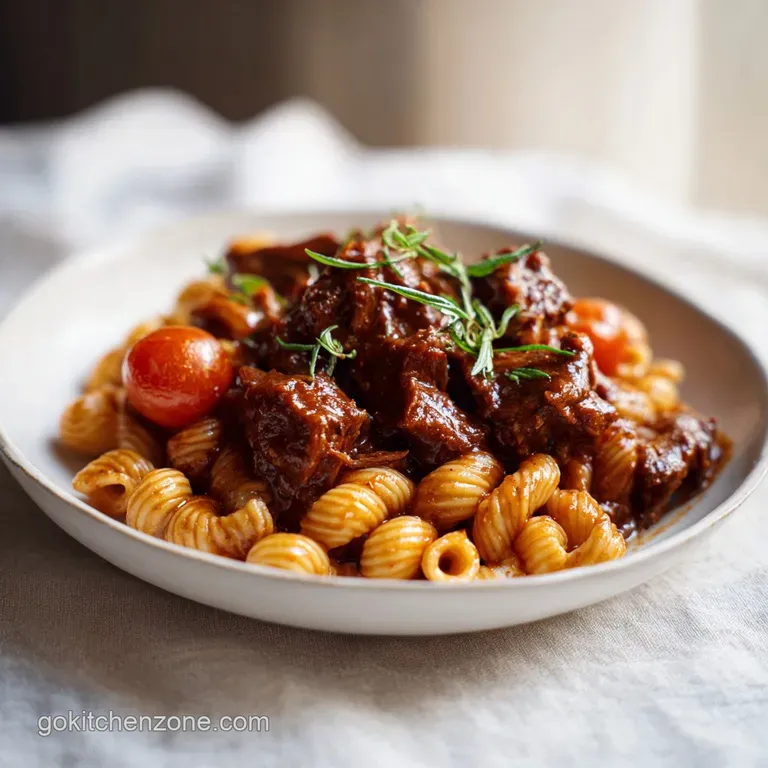
- Time: Active 25 minutes, Passive 2 hours 30 mins, Total 2 hours 55 mins
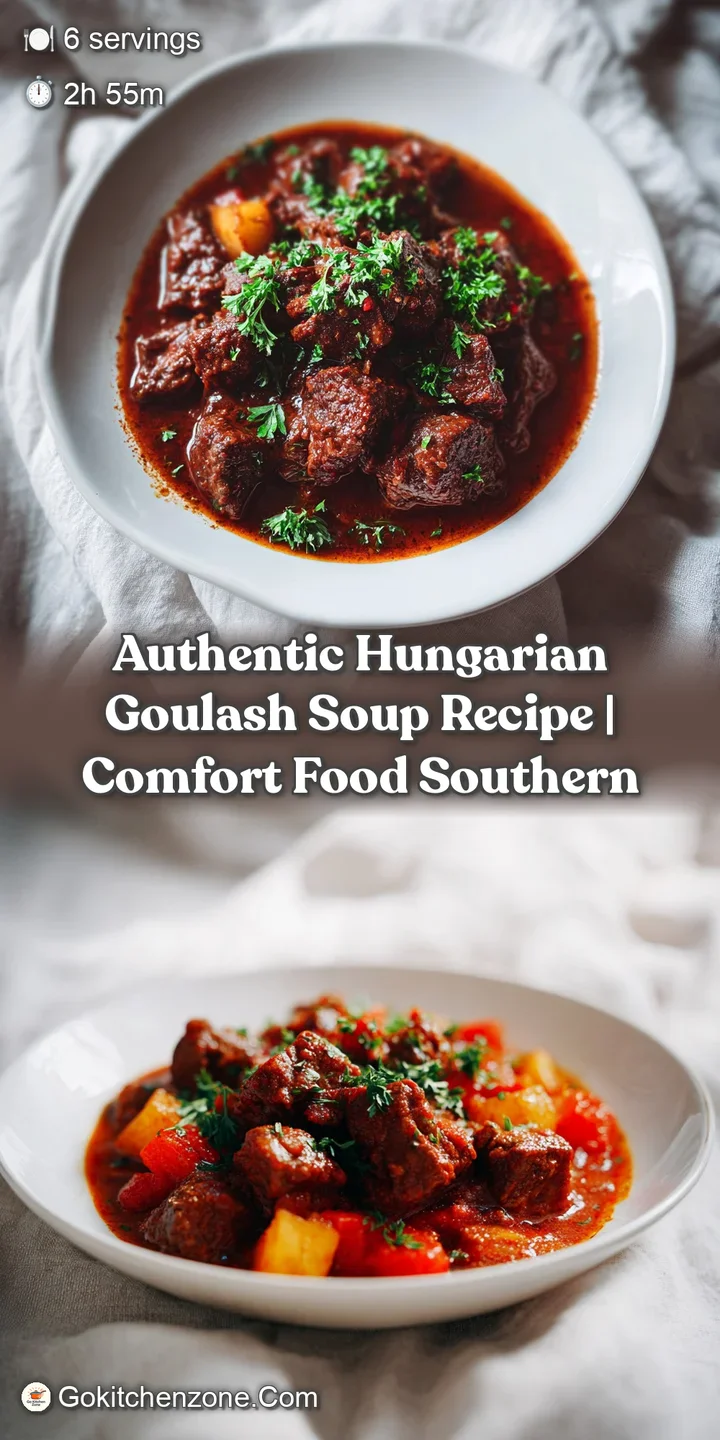
- Flavor/Texture Hook: Smoky, velvety beef with a deep, earthy warmth
- Perfect for: Sunday family dinners or cold weather meal prepping
- Secrets to Authentic Hungarian Goulash
- Core Physics of Slow Cooking
- Component Analysis for Perfect Stew
- Essential Goulash Recipe Specs
- Necessary Kitchen Equipment
- From Prep to Final Plate
- Common Mistakes and Easy Fixes
- Smart Guidelines for Recipe Scaling
- Overturning Common Kitchen Myths
- Storage and Freshness Tips
- Perfect Pairing Ideas
- High in Sodium
- Recipe FAQs
- 📝 Recipe Card
Secrets to Authentic Hungarian Goulash
The scent of onions slowly melting into hot lard is something you never forget once it hits your kitchen. I remember the first time I tried to make this for a group of friends; I thought I could skip the lard and just use olive oil, and I figured one onion was plenty. What a mistake that was!
I ended up with a thin, watery soup that tasted more like a generic beef stew than the deep, soul warming Hungarian Goulash I’d had in Budapest. Real goulash isn't just a recipe; it's a lesson in patience and the magic of a few humble ingredients done right.
Trust me, the secret isn't in fancy spices or secret additives. It’s all about the chemistry between the beef, the onions, and the specific way you treat the paprika. We are going for a texture that is thick enough to coat a spoon but light enough to eat as a hearty soup.
You want the beef to almost "shatter" when you press it against the roof of your mouth, leaving behind a rich, smoky finish.
If you've ever struggled with a stew that feels "flat," it's likely because the onions didn't have enough time to disappear into the sauce. In this version, we’re going to treat those onions like a primary vegetable, not just a flavoring agent.
By the time we’re done, you won't even see the onions, but you’ll feel their velvety presence in every single spoonful. Let’s get into the "how" so you can nail this on your first try.
Core Physics of Slow Cooking
The Onion Hydrolysis: When onions are cooked slowly in lard, their cellular structure breaks down and releases sugars that caramelize, creating a thick, sweet base that naturally emulsifies the beef broth.
Collagen Transformation: Simmering beef chuck for over 2 hours converts tough connective tissue into gelatin, which provides a silky mouthfeel and prevents the meat from drying out.
Carotenoid Solubility: The vibrant red color and flavor of paprika are fat soluble, meaning the spice must be "bloomed" in warm lard to unlock its full aromatic potential.
The Maillard Effect: Searing the beef cubes at a high temperature creates a crust of complex flavor molecules that dissolve into the liquid, deepening the overall savory profile.
| Feature | Fast (Pressure Cooker) | Classic (Stovetop) |
|---|---|---|
| Cook Time | 45 minutes | 2 hours 30 mins |
| Sauce Body | Thinner, needs starch | Thick, natural reduction |
| Meat Texture | Uniformly soft | Meltingly tender, layered |
| Best For | Busy Tuesday nights | Relaxed Sunday afternoons |
The difference between a fast version and the slow version really comes down to the concentration of flavor. While a pressure cooker is a lifesaver when you're in a rush, the stovetop method allows the water to evaporate slowly, which intensifies the beefiness. If you're looking for a different kind of comfort food on a busy weeknight, you might like this Creamy Chicken Stroganoff recipe. It offers that same rich satisfaction but in a fraction of the time.
Component Analysis for Perfect Stew
| Ingredient | Science Role | Pro Secret |
|---|---|---|
| Lard | High temp fat carrier | Use pork lard (not shortening) for an authentic, smoky backbone. |
| Paprika | Primary flavor/thickener | Only use Hungarian Sweet Paprika; generic stuff often tastes like dust. |
| Beef Chuck | Fat to lean balance | Look for "marbling" (white fat streaks) to ensure the meat stays juicy. |
| Caraway Seeds | Digestive aid/aroma | Toast the seeds in a dry pan for 30 seconds before crushing them. |
Essential Goulash Recipe Specs
To get this right, you need to be specific about your shopping list. Don't settle for "stew meat" in a pre cut pack; those are often scraps from different cuts that cook at different rates. Buy a whole piece of beef chuck and cut it yourself so you know every piece will be tender at the same time.
- 2 lbs beef chuck, trimmed and cut into 1 inch cubes: Why this? The high collagen content turns into silky gelatin during the long simmer.
- 2 tbsp lard: Why this? Provides the traditional fat base that olive oil simply cannot replicate.
- 3 large yellow onions, finely diced: Why this? They provide the natural sweetness and thickness for the entire sauce.
- 4 tbsp authentic Hungarian sweet paprika: Why this? This is the soul of the dish; it provides color, flavor, and body.
- 4 cloves garlic, minced: Why this? Adds a sharp aromatic layer that balances the sweet onions.
- 1 tsp caraway seeds, lightly crushed: Why this? Provides an earthy, anise like note that is quintessential to Hungarian cuisine.
- 2 tsp sea salt: Why this? Enhances all other flavors; adjust at the very end.
- 1 tsp cracked black pepper: Why this? Adds a subtle, lingering heat to the back of the throat.
- 5 cups beef bone broth: Why this? Bone broth adds more body and nutrients than plain water.
- 2 large carrots, sliced: Why this? Adds natural sweetness and a bit of structural variety.
- 2 parsnips, sliced: Why this? Offers a peppery, herbal note that complements the beef.
- 2 medium Yukon Gold potatoes, cubed: Why this? Their waxy texture holds up well without turning into mush.
- 1 large Roma tomato, diced: Why this? The acidity helps break down the beef fibers and brightens the sauce.
- 1 bell pepper, chopped: Why this? Adds a fresh, garden crisp flavor to the heavy stew base.
| Original Ingredient | Substitute | Why It Works |
|---|---|---|
| Lard (2 tbsp) | Beef Tallow or Ghee | Similar high smoke point and rich, savory fat profile. |
| Beef Chuck (2 lbs) | Beef Brisket or Shank | Both have high connective tissue that softens over long cook times. |
| Bone Broth (5 cups) | Water + Bouillon | Provides the necessary liquid, though it may have less mouthfeel. |
For those days when you just want to set it and forget it, my Crockpot Swiss Steaks recipe is a lifesaver and uses similar cuts of beef to great effect.
Necessary Kitchen Equipment
You don't need a kitchen full of gadgets, but a heavy bottomed pot is non negotiable here. A Dutch oven (like a Le Creuset or a Lodge) is your best friend because it distributes heat evenly and prevents the onions from scorching on the bottom while the top is still cool.
A sharp chef's knife will make quick work of those three large onions. Remember, the smaller you dice them, the faster they will melt into the sauce. I also recommend a mortar and pestle for the caraway seeds. You don't want to turn them into powder; you just want to "crack" them to release those aromatic oils.
If you don't have one, just use the bottom of a heavy skillet to crush them against your cutting board.
From Prep to Final Plate
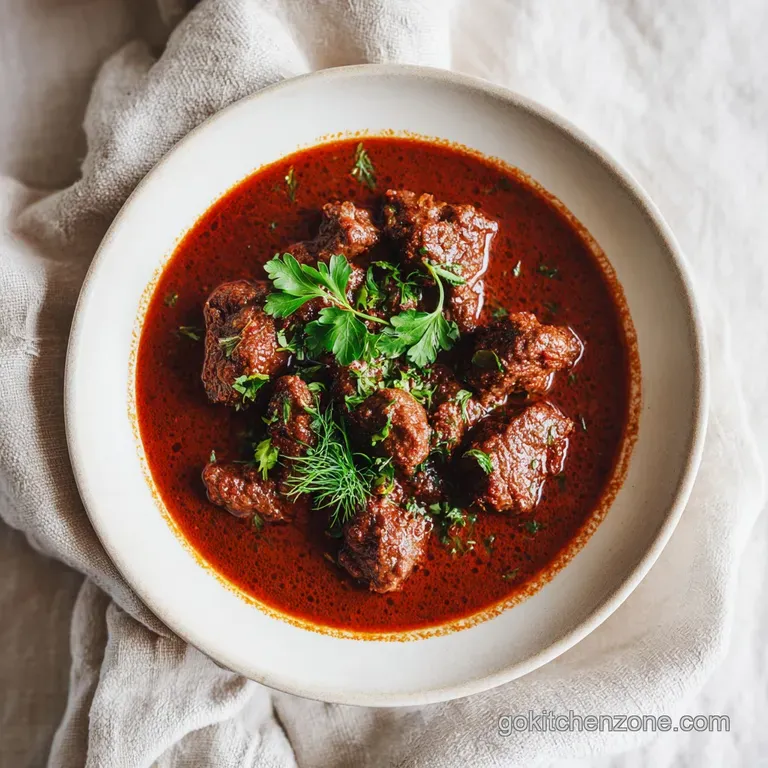
- Prep the foundation. Dice the 3 yellow onions into 1/4 inch pieces. Note: Consistency here ensures they all melt at the same rate.
- Melt the fat. Heat the 2 tbsp of lard in a large Dutch oven over medium heat until it begins to shimmer and smoke slightly.
- Sauté the onions. Add the onions and a pinch of salt. Cook for about 10-15 minutes, stirring often, until they are soft, translucent, and just starting to turn golden.
- Sear the beef. Increase the heat to medium high. Add the 2 lbs of beef chuck cubes. Cook until the edges are browned and a dark crust forms on the bottom of the pot.
- Bloom the paprika. Remove the pot from the heat. Stir in the 4 tbsp of paprika, garlic, and caraway seeds. Note: Taking it off the heat prevents the paprika from burning and becoming bitter.
- Deglaze the pot. Add the diced tomato and 1/2 cup of the beef broth. Use a wooden spoon to scrape all the "fond" (the brown bits) off the bottom of the pot.
- Start the long simmer. Pour in the remaining beef broth. Bring to a boil, then reduce heat to the lowest setting. Cover and simmer for 1 hour 30 mins until the beef is tender when pierced with a fork.
- Add the vegetables. Stir in the carrots, parsnips, potatoes, and bell pepper. Note: Adding these later prevents them from overcooking while the beef finishes.
- The final stretch. Cover and simmer for another 45 minutes until the potatoes are buttery soft and the sauce has thickened.
- Season and rest. Taste the sauce. Add the 2 tsp salt and 1 tsp pepper as needed. Let the goulash sit for 10 minutes before serving to allow the flavors to settle and the sauce to gloss over.
Common Mistakes and Easy Fixes
Why is my goulash bitter?
This is the most common heartbreak in Hungarian cooking. Paprika contains a lot of natural sugar. If you toss it into a ripping hot pot with the heat still on, it can scorch in seconds. Burnt paprika tastes like ash and will ruin the entire pot.
Always pull the pot off the burner for a minute before stirring in your red gold.
The sauce is too thin!
If your goulash looks more like a tea than a stew, don't reach for the cornstarch. Instead, take a few of the cooked potato cubes and smash them against the side of the pot with your spoon. Stir them back in.
The starch from the potatoes will naturally thicken the liquid while maintaining that authentic, rustic texture.
| Problem | Root Cause | Solution |
|---|---|---|
| Tough Beef | Not enough cook time | Simmer for an extra 30 minutes; collagen needs time to melt. |
| Greasy Surface | Lard didn't emulsify | Stir vigorously for 1 minute to incorporate the fat into the broth. |
| Lack of Depth | Onions weren't cooked long enough | Next time, cook onions until they are a deep jammy consistency. |
Common Mistakes Checklist
- ✓ Never use "Smoked Paprika" unless you want a non traditional flavor profile (it's too overpowering).
- ✓ Don't skip the caraway; it provides the specific "earthy" note that defines the dish.
- ✓ Avoid boiling the stew vigorously; a gentle "lazy bubble" is what you're looking for.
- ✓ Pat the beef dry with paper towels before searing to get a better crust.
- ✓ Wait until the very end to do your final salt seasoning, as the broth reduces and concentrates.
Smart Guidelines for Recipe Scaling
If you're cooking for a crowd, you can easily double this recipe. However, don't just double everything blindly. When you double the liquids, the evaporation rate changes because the pot is deeper. I usually only use 1.5 times the broth if I'm doubling the meat.
You can always add more later, but it’s hard to boil off an extra quart of liquid without overcooking your beef.
For halving the recipe, use a smaller pot. If you use a massive Dutch oven for a small amount of stew, the liquid will evaporate too fast, and you’ll end up with a dry pot before the beef is tender. In this case, keep a closer eye on the liquid levels and add a splash of water if it starts looking "tight."
Overturning Common Kitchen Myths
Myth: Searing meat "locks in" the juices. This is purely for flavor! Searing creates the Maillard reaction, which gives you those deep, savory notes. The moisture in the meat actually decreases as you sear it, but the flavor trade off is 100% worth it.
The "juiciness" in a long simmered stew actually comes from the melted fat and gelatin, not trapped water.
Myth: You must use flour to thicken a goulash. Actually, an authentic Hungarian goulash relies entirely on the onion to meat ratio and the starch from the potatoes. Using flour creates a "gravy" texture that is more reminiscent of a British stew than a Central European goulash.
If you use enough onions (3 large ones for 2 lbs of beef), the sauce will be plenty rich on its own.
Storage and Freshness Tips
Goulash is one of those rare dishes that actually improves with age. As it sits in the fridge, the flavors of the caraway, garlic, and paprika continue to meld and penetrate the beef. It will stay fresh in an airtight container in the refrigerator for up to 4 days.
When reheating, do it slowly on the stovetop over medium low heat. You might need to add a tablespoon or two of water to loosen the sauce back up.
For long term storage, this stew freezes beautifully for up to 3 months. Just make sure to leave about an inch of headspace in your container, as the liquid will expand when it freezes.
To use up any leftover sauce without the meat, try tossing it with some cooked egg noodles or drizzling it over a baked potato for a quick "zero waste" lunch.
Perfect Pairing Ideas
In Hungary, goulash is often served with "Nokedli," which are small, chewy egg dumplings. If you don't want to make those from scratch, a wide egg noodle works just as well. The key is having something to soak up that incredible paprika sauce.
- If you want a classic pairing, serve it with a thick slice of crusty sourdough bread and a side of cold, pickled cucumbers.
- If you want a heartier meal, serve it over a bed of buttery mashed potatoes.
- If you want a lighter option, a simple green salad with a sharp lemon vinaigrette helps cut through the richness of the lard and beef.
Whatever you choose, make sure you have plenty of it, because people always come back for seconds of this one. It's the kind of meal that makes the whole house smell like a hug. Enjoy the process, don't rush the onions, and your patience will be rewarded with the best bowl of comfort you've had all year.
High in Sodium
1090 mg mg of sodium per serving (47% % of daily value)
The American Heart Association recommends limiting sodium intake to no more than 2,300mg per day for most adults.
Tips to Reduce Sodium in Your Goulash
-
Low-Sodium Broth-30%
Replace the regular beef bone broth with a low-sodium or no-salt added version. This can significantly cut down on the sodium content of the dish.
-
Reduce Added Salt-25%
Reduce the amount of sea salt added to the recipe. Start by halving the amount and adjust to taste after the goulash has simmered. You may find you don't need as much salt.
-
Fresh Tomato Paste-20%
This recipe doesn't contain tomato paste. However, many similar recipes use tomato paste to thicken the stew and enhance the flavour. If you are adding tomato paste, ensure that you only use fresh tomatoes, as canned tomato paste may be high in sodium
-
Sauté with Care-10%
When sautéing onions, garlic, and spices, avoid adding salt at this stage. The flavours will develop during simmering, and you can adjust salt later. Use low-sodium stock to deglaze the pan, if necessary.
-
Boost with Herbs & Spices
Enhance the flavor profile with additional herbs and spices like bay leaf, marjoram, or smoked paprika. These can help compensate for the reduction in salt without adding sodium.
Recipe FAQs
What is the main ingredient in Hungarian goulash?
Beef chuck is essential. Look for cuts with high collagen content, as the long, slow simmer is what transforms connective tissue into silky gelatin for the sauce.
What's the difference between Hungarian goulash and American goulash?
Hungarian goulash is a paprika rich soup/stew. American goulash, often called chili mac, is typically a tomato based dish using ground beef and elbow macaroni.
What is the national dish of Hungary?
Yes, Hungarian goulash is considered the national dish. It originated as a hearty soup eaten by herdsmen and evolved into the slow cooked stew enjoyed today.
What's the best meat to use for Hungarian goulash?
Use beef chuck or brisket. These cuts are tough initially but break down perfectly during the two-plus hour simmer, yielding meltingly tender bites.
How do I ensure my goulash sauce is thick without using flour?
Slowly melt down a large quantity of onions in lard first. These onions break down completely during cooking, naturally thickening and sweetening the broth.
Is it true that I must use lard instead of olive oil?
Yes, lard is highly recommended for authenticity and flavor. Lard provides a deeper, traditional savory backbone that is crucial for blooming the paprika correctly.
When should I add the potatoes and carrots?
Add vegetables only after the beef has simmered for at least 90 minutes. This prevents the vegetables from turning mushy while the connective tissue in the beef finishes rendering.
Authentic Hungarian Goulash Soup
Ingredients:
Instructions:
Nutrition Facts:
| Calories | 564 kcal |
|---|---|
| Protein | 37.2 g |
| Fat | 33.8 g |
| Carbs | 28.6 g |
| Fiber | 5.4 g |
| Sugar | 6.8 g |
| Sodium | 1090 mg |
