Overnight French Toast Casserole Bake
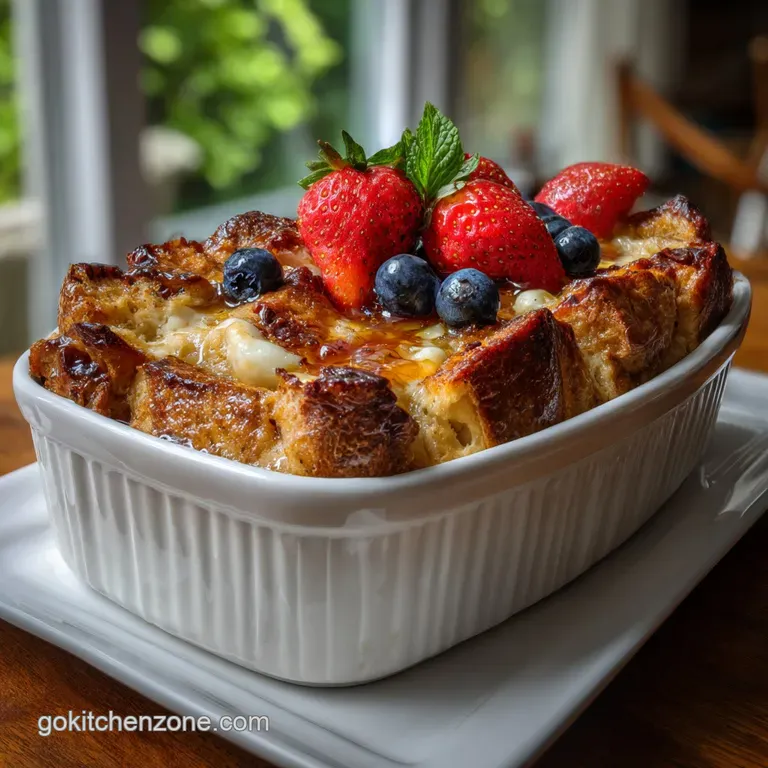
- Time: Active 15 minutes, Passive 45 minutes, Total 1 hour
- Flavor/Texture Hook: High shatter streusel topping meets a silky, crème-brûlée-like center.
- Perfect for: Lazy holiday mornings or a reliable weekend brunch for a crowd.
- Creating the Ultimate Overnight French Toast Casserole
- Science Behind the Custard Soak
- Essential Recipe Specifics
- Selecting Quality Ingredients
- Necessary Tools for Success
- Step by Step Method
- Avoiding Breakfast Failure
- Customizing the Flavor
- Storage and Zero Waste
- Best Serving Ideas
- Reliable Breakfast Answers
- Recipe FAQs
- 📝 Recipe Card
Creating the Ultimate Overnight French Toast Casserole
Listen, we've all been there. It’s Sunday morning, you’re trying to flip individual slices of bread in a pan, the first one is burnt, the middle is raw, and you're just standing there over a hot stove while everyone else is drinking coffee. It is a total dinner struggle but for breakfast.
I finally gave up on the stovetop method and started making this overnight french toast casserole instead. It is a total lifesaver when you have people over or just want a peaceful morning.
The beauty of this dish is that the work happens while you’re asleep. You toss everything together, shove it in the fridge, and the next morning you just slide it into the oven. The house starts smelling like cinnamon and warm butter, and honestly, that’s the best alarm clock anyone could ask for.
No more messy counters or oily pans, just one dish that everyone fights over.
I’ve made every mistake possible with this one - using bread that's too soft, not using enough eggs, or skipping the heavy cream (don't do that). This version is what I call the "gold standard." It has that specific contrast of a crunchy, sugary top and a soft, pillowy middle that feels like fancy bread pudding but acts like breakfast.
Trust me on this, once you try the overnight soak, you’ll never go back to the frying pan.
Science Behind the Custard Soak
Starch Retrogradation: Using stale bread allows the starch molecules to form a dry, crystallized structure that acts like a sponge for the liquid custard. When the bread is fresh, the moisture prevents the eggs and milk from penetrating the center, which usually leads to a swampy mess.
Protein Denaturation: As the eggs and heavy cream bake, the proteins uncoil and bond together, trapping the liquid in a stable, velvety matrix. This creates a structural "set" that gives the casserole its signature lift and prevents it from collapsing when you slice it.
Chef's Tip: Freeze your 1/2 cup unsalted butter for exactly 10 minutes before grating it into your topping mixture. This keeps the fat cold and separate from the flour, ensuring you get those little pockets of steam that create a high shatter crust rather than a flat, greasy layer.
Essential Recipe Specifics
| Feature | Overnight Method | Stovetop Method |
|---|---|---|
| Texture | Silky center, crunchy top | Uniformly soft or chewy |
| Effort | 15 mins prep at night | Active flipping per slice |
| Wait Time | 8 to 12 hours soak | Zero minutes |
Selecting Quality Ingredients
Getting the right components is the difference between a sad, wet bread bake and a professional level brunch. I always grab a loaf of St. Pierre Brioche because the high butter content in the bread itself adds a richness you can't get from plain white bread.
- 1 lb Brioche or Challah bread: Cut into 1 inch pieces. Why this? These breads have a tight crumb that holds its shape during long soaks.
- 8 large eggs: Use the best quality you can find, like Vital Farms. Why this? high-quality yolks provide the fat needed for a velvety custard mouthfeel.
- 2 cups whole milk: Don't go for 1% here. Why this? Full fat milk ensures the proteins set properly without becoming watery.
- 1 cup heavy cream: Use 36% milkfat or higher. Why this? Adds the necessary decadence and prevents the custard from tasting like an omelet.
- 3/4 cup granulated sugar: For the custard base. Why this? Sweetens the core without making the bread too heavy.
- 2 tbsp Nielsen Massey vanilla extract: Use the real stuff. Why this? A high volume of vanilla masks the "eggy" scent of the bake.
- 1 tsp ground cinnamon: For that classic warmth.
- 1/2 tsp ground nutmeg: Freshly grated if possible.
- 1/4 tsp kosher salt: I use Diamond Crystal.
- 1/2 cup unsalted butter: Must be cold and cubed for the topping.
- 1/2 cup light brown sugar: Packed tightly.
- 1/2 cup King Arthur all purpose flour: Provides the structure for the streusel.
- 1/4 tsp salt: To balance the sugar in the topping.
| Ingredient | Science Role | Pro Secret |
|---|---|---|
| Brioche (1 lb) | Starch structure | Use bread that feels slightly "crusty" or dry to the touch. |
| Large Eggs (8) | Emulsifier & Binder | Whisk them alone first to ensure no yellow streaks remain in the bake. |
| Heavy Cream (1 cup) | Fat content | The high fat prevents the eggs from "scrambling" at high heat. |
Necessary Tools for Success
You don't need a pantry full of gadgets, but a few things make this much easier. A 9x13 inch Pyrex glass baking dish is the standard. I find glass works better than metal for this because it heats more evenly, preventing the edges from burning before the middle is set.
You'll also want a large Lodge mixing bowl to whisk the custard so you have plenty of room to move without splashing milk everywhere.
If you have a KitchenAid stand mixer, you could use it to whisk the eggs, but honestly, a sturdy balloon whisk and some elbow grease work just as well. For the topping, I actually prefer using my hands or a pastry cutter to work the butter into the flour. It gives you better control over the size of the crumbs. If you love a good bake, you might also like my Breakfast Casserole recipe which uses similar one pan logic.
step-by-step Method

- Prep the bread. Cube your 1 lb Brioche into 1 inch pieces and spread them evenly into a greased 9x13 dish. Note: Packing them too tightly prevents the liquid from reaching the bottom layers.
- Whisk the eggs. In a large bowl, beat the 8 large eggs until completely smooth with no visible whites.
- Create the custard. Stir in the 2 cups whole milk, 1 cup heavy cream, 3/4 cup granulated sugar, 2 tbsp vanilla, 1 tsp cinnamon, 1/2 tsp nutmeg, and 1/4 tsp salt.
- Soak the bread. Pour the mixture over the bread, ensuring every cube gets a little bit of a bath. until the liquid reaches halfway up the dish.
- Refrigerate the casserole. Cover tightly with foil and let it sit in the fridge for at least 4 hours, but ideally overnight.
- Mix the topping. Combine 1/2 cup light brown sugar, 1/2 cup all purpose flour, 1/4 tsp salt, and 1/2 cup cold cubed butter in a small bowl.
- Crumble the butter. Use your fingers to pinch the butter into the flour until it looks like wet sand with pea sized lumps.
- Preheat the oven. Set your oven to 175°C (350°F) and take the dish out of the fridge to take the chill off.
- Apply the streusel. Sprinkle the topping over the soaked bread just before sliding it into the oven.
- Bake the dish. Cook for 45 minutes until the top is golden brown and the center doesn't jiggle.
Avoiding Breakfast Failure
The biggest hurdle with an overnight french toast casserole is the "soggy bottom" syndrome. If you use fresh, soft sandwich bread, it will turn into mush. You need something sturdy. If your bread is too fresh, pop the cubes in a low oven for 10 minutes to dry them out.
Another issue is the top browning too fast while the inside is still liquid. If you see the edges getting dark at the 30 minute mark, just tent some foil loosely over the top. This allows the center to keep cooking without burning your sugar crust. If you're looking for something with a different texture, my Hashbrown Casserole recipe has a similar "shatter" crust but with savory potatoes.
| Problem | Root Cause | Solution |
|---|---|---|
| Soggy Center | Too much liquid or fresh bread | Use stale bread and bake until the internal temp is 71°C. |
| Rubbery Texture | Over whisking the eggs | Whisk until just combined, don't aerate too much. |
| Burnt Topping | Sugar caramelizing too fast | Move the oven rack to the middle position and tent with foil. |
Bread Prep for Absorption
If you're using very fresh bread, the moisture inside blocks the custard. Slice it the night before you intend to assemble and leave it on the counter. This "staling" process is vital for the bread to act as a proper vessel for the cream and eggs.
Whisking a Streak Free Custard
Egg whites that aren't fully integrated will cook into white "threads" in your casserole. Whisk the eggs with the salt first. The salt helps break down the protein strands before you add the heavy cream and milk, resulting in a much smoother finish.
Customizing the Flavor
I usually stick to the classic vanilla and cinnamon, but you can definitely play around here. If you want something more decadent, you can treat it like my Cinnamon Roll Casserole recipe and add a cream cheese glaze on top after it comes out of the oven.
- Fruit Add ins: Toss in a cup of fresh blueberries or sliced peaches before you pour the custard.
- Chocolate Version: Sprinkle 1/2 cup of dark chocolate chips between the bread layers.
- Nutty Crunch: Add 1/2 cup of chopped pecans to the streusel topping for extra texture.
| Original Ingredient | Substitute | Why It Works |
|---|---|---|
| Heavy Cream (1 cup) | Full fat Coconut Milk | Similar fat content but adds a nutty, tropical note. |
| Brioche (1 lb) | Sourdough bread | Adds a tangy contrast to the sugar. Note: Needs a longer soak. |
| Granulated Sugar | Maple Syrup | Adds a deeper, woody sweetness but makes the custard slightly looser. |
Storage and Zero Waste
If you actually have leftovers (rare in my house), they store beautifully. Put them in an airtight container in the fridge for up to 3 days. To reheat, don't use the microwave if you can help it; it makes the topping soft.
Instead, put a slice in the air fryer or toaster oven at 150°C for 5-8 minutes. It brings back that shatter crisp texture on top.
For zero waste, save your bread crusts or the "heels" of the loaf. I keep a bag in the freezer for random bread scraps. Once I have a pound of them, I make this casserole. It doesn't matter if the bread pieces aren't perfectly uniform cubes; the custard will bind everything together anyway.
If you have leftover custard liquid, don't toss it! You can dip extra bread in it for a quick stovetop slice the next day.
Best Serving Ideas
This casserole is a heavy hitter on its own, but a few sides make it a full meal. I love serving it with thick cut bacon or spicy breakfast sausage to balance out the sweetness. A big bowl of fresh berries or citrus salad helps cut through the richness of the heavy cream and eggs.
If you really want to go all out, drizzle some warm maple syrup over the top right as you serve it. The way the syrup hits the warm streusel and creates a sticky, glassy coating is just incredible. I’ve even seen people serve this with a dollop of Greek yogurt for a little bit of tang. It works surprisingly well!
Reliable Breakfast Answers
Choosing the Right Stale Bread
You want a bread that can stand up to a 12 hour soak without dissolving. Brioche, Challah, and even thick cut Texas Toast are the best candidates. Avoid thin sliced white sandwich bread; it's too flimsy and will turn into a pudding rather than a casserole.
Managing Rapid Surface Browning
The sugar in the topping (especially the brown sugar) wants to burn. If your oven runs hot, keep an eye on the color starting at 30 minutes. A quick "tent" with aluminum foil shiny side up reflects the heat away from the surface while the internal custard finishes setting.
Determining the Final Set
The casserole is done when it has puffed up significantly and the center doesn't look wet when you gently nudge the pan. If you use a thermometer, you're looking for 71°C (160°F) in the very middle.
Don't overbake it, or the eggs will start to weep liquid and make the bottom soggy.
Scaling the Recipe Down
To make a half batch, use an 8x8 inch pan. You can literally just halve every ingredient. The bake time will usually stay around 35-40 minutes since the depth of the casserole remains similar even if the surface area is smaller.
Avoiding Common Baking Myths
One big myth is that you must use room temperature eggs. For this specific overnight method, it doesn't matter. The whole dish sits in the fridge for hours, so everything is at a uniform temperature when it goes into the oven anyway. Another myth is that you can't use frozen bread. You can!
Just cube it while frozen and let it thaw in the custard overnight.
Whether you're making this for a holiday or just a random Saturday, the key is the soak. Don't rush it. Let that bread absorb all the vanilla and cream, and you'll be rewarded with the best breakfast you've had in a long time. Right then, let's get that bread cubed!

Recipe FAQs
Can I assemble this casserole completely ahead of time?
Yes, overnight is best. Allowing the bread to soak for 8 to 12 hours ensures maximum absorption, yielding a silky interior that avoids the dreaded soggy bottom.
What type of bread is mandatory for success?
Brioche or Challah are highly recommended. These enriched breads have the structural integrity and high fat content needed to absorb the custard without collapsing during the long soak or bake.
Can I use frozen fruit in the overnight soak?
No, stick with fresh. Frozen berries release excessive moisture as they thaw, which dilutes the custard and compromises the final texture.
How do I prevent the streusel topping from burning?
Tent the dish loosely with foil halfway through baking. The sugar topping browns quickly; using foil protects it while allowing the internal temperature to reach the safe setting point.
My bread is very fresh; how can I compensate for the lack of dryness?
Lightly toast the bread cubes first. Cube the bread and bake it on a sheet pan at 300°F for about 10 minutes to dry the surface slightly; this allows for better liquid penetration. If you are interested in balancing textures, see how we manage texture contrast in our Autumn Harvest Honeycrisp Apple and Feta Salad with Toasted Walnuts.
What temperature should the internal custard reach?
71°C (160°F) is the target internal temperature. Use a probe thermometer inserted into the center; if it jiggles slightly when nudged, it needs a few more minutes to fully set.
Can I substitute the heavy cream with a lower fat dairy product?
Technically yes, but you sacrifice texture. Heavy cream provides the fat necessary to create a velvety, rich custard that prevents the eggs from becoming rubbery.
Overnight French Toast Bake
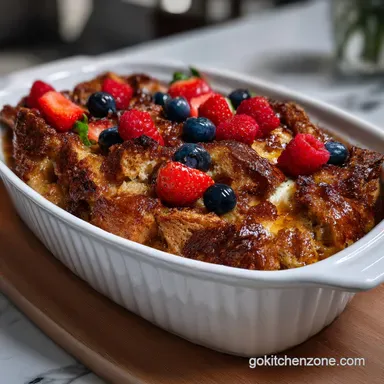
Ingredients:
Instructions:
Nutrition Facts:
| Calories | 515 calories |
|---|---|
| Protein | 11.8g |
| Fat | 30.6g |
| Carbs | 49.2g |
| Fiber | 1.1g |
| Sugar | 30.4g |
| Sodium | 315mg |
