Olive Garden Salad Dressing Recipe
- Time: Active 10 minutes, Passive 0 minutes, Total 10 minutes
- Flavor/Texture Hook: Zesty, herbaceous, and incredibly velvety
- Perfect for: Weeknight dinners, big family gatherings, or meal prep
- Recreate Signature Olive Garden Salad Dressing Easily
- Why This Tangy Vinaigrette Strategy Works
- Essential Metrics for the Perfect Batch
- Selecting Ingredients for Authentic Flavor
- Minimal Tools for Quick Emulsions
- Bringing Your Dressing Together Perfectly
- Troubleshooting Common Dressing Mistakes
- Dietary Adaptations for Every Eater
- Storage and Clever Leftover Tips
- Serving and Enjoying Your Creation
- Frequently Asked Questions
- Troubleshooting Common Issues
- Recipe FAQs
- 📝 Recipe Card
Recreate Signature Olive Garden Salad Dressing Easily
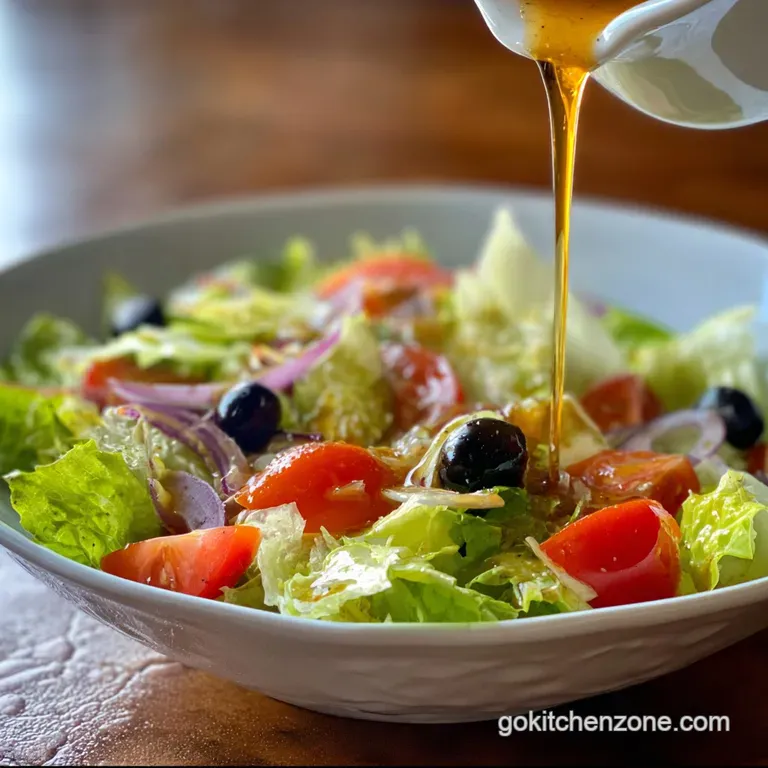
We’ve all been there sitting at the table, staring at that cold metal bowl while the server asks if we want more freshly grated pepper. It’s that specific punchy aroma of dried herbs and vinegar that makes the "bottomless salad" so dangerous.
I used to think there was some secret chemical in the restaurant version, but after a few failed attempts that were either too oily or way too sharp, I realized it’s all about the balance of fats and a tiny bit of help from a common fridge staple.
The magic happens when you stop trying to just whisk oil and vinegar and start focusing on the emulsion. I once made the mistake of using only a high end, peppery extra virgin olive oil, and the result was so bitter it ruined the entire head of iceberg.
This version uses a blend of oils and a sneaky tablespoon of mayonnaise to get that signature clingy texture that coats every slice of black olive and pepperoncini perfectly. Let’s get into how we can make this happen in your kitchen in under ten minutes.
Why This Tangy Vinaigrette Strategy Works
- The Emulsion Anchor: Using 1 tbsp mayonnaise provides lecithin from egg yolks, which permanently bonds the oil and vinegar together so they don’t separate on the plate.
- Acid Layering: Combining 0.33 cup white wine vinegar with 1 tbsp fresh lemon juice provides both a sharp bite and a bright, citrusy top note.
- The Mellowing Agent: Adding 1 tbsp granulated sugar doesn't make the dressing sweet, but it neutralizes the harshness of the vinegar to mimic the restaurant’s balanced profile.
- Oil Blending: Mixing 0.5 cup extra virgin olive oil with 0.25 cup neutral oil prevents the dressing from becoming overly heavy or bitter while keeping it pourable even when cold.
| Method | Time | Texture | Best For |
|---|---|---|---|
| Mason Jar Shake | 2 minutes | Reliable | Quick weeknight dinners |
| Whisk in Bowl | 5 minutes | Slightly loose | Immediate serving |
| Blender/Processor | 1 minute | Ultra velvety | Large batches for parties |
Choosing your method depends on how much effort you want to put in. I personally swear by the mason jar because it doubles as a storage container and really forces the dried herbs to hydrate quickly as they bash against the glass.
If you are serving a crowd and want that perfectly opaque, professional look, the blender is your best friend.
Essential Metrics for the Perfect Batch
The physics of a good vinaigrette relies on the 3:1 ratio of oil to acid, but we tweak it here to account for the salt and sugar. When you hit these exact ratios, the dressing doesn't just sit at the bottom of the bowl; it actually "shatters" against the crisp greens, providing a consistent flavor in every bite.
| Component | Role | Pro Secret |
|---|---|---|
| White Wine Vinegar | Primary Acid | Use a mid range brand; avoid cheap distilled white vinegar which is too harsh. |
| Mayonnaise | Emulsifier | Full fat is essential here to provide the necessary structure for the emulsion. |
| Parmesan Cheese | Umami/Body | Finely grate it so it suspends in the liquid rather than sinking to the bottom. |
The parmesan cheese isn't just for flavor; it actually adds "drag" to the liquid. This means the dressing stays on the lettuce longer instead of sliding off. If you've ever had a salad that was dry at the top and a swamp at the bottom, you likely lacked a thickening agent like cheese or mayo. Using these techniques is similar to how we balance the brightness in our Autumn Harvest Honeycrisp recipe to ensure every ingredient is properly coated.
Selecting Ingredients for Authentic Flavor
- 1 tsp dried oregano: The backbone of the Italian flavor profile.
- 1 tsp dried parsley: Adds a touch of earthy green color.
- 0.5 tsp garlic salt: Provides a more distributed garlic flavor than fresh cloves.
- 1 tbsp granulated sugar: Essential for cutting the acid.
- 0.5 tsp coarse black pepper: Adds a subtle, woody heat.
- 0.25 tsp salt: Enhances all the other herbal notes.
- 0.5 cup extra virgin olive oil: Use a "light" or "mild" version if possible. Why this? Prevents the dressing from tasting too grassy or bitter.
- 0.25 cup neutral oil: Canola or vegetable oil works perfectly. Why this? Keeps the dressing liquid in the fridge.
- 0.33 cup white wine vinegar: The specific acid needed for that "zing."
- 1 tbsp fresh lemon juice: Adds a necessary fresh high note.
- 2 tbsp finely grated parmesan cheese: The stuff in the green can actually works well here for texture.
- 1 tbsp mayonnaise: Our secret weapon for creaminess.
- 1 drop yellow food coloring: Totally optional, but gives it that iconic golden hue.
| Original Ingredient | Substitute | Why It Works |
|---|---|---|
| White Wine Vinegar | Red Wine Vinegar | Similar acidity but will change the color to a pinkish red. |
| Extra Virgin Olive Oil | Avocado Oil | Mild flavor and remains liquid at colder temperatures. |
| Mayonnaise | Greek Yogurt | Tangier result. Note: Will shorten fridge life to 3 days. |
| Granulated Sugar | Honey | Adds a floral note. Note: Harder to incorporate without vigorous shaking. |
If you find yourself missing the dried herbs, don't try to swap in fresh ones 1:1. Fresh herbs contain too much moisture and will cause the dressing to spoil much faster. Stick to the dried stuff for that authentic, shelf stable restaurant taste that actually gets better after sitting for an hour.
Minimal Tools for Quick Emulsions
One of the biggest dinner struggles is the cleanup. This recipe is a "one tool" wonder if you play your cards right. You don't need a fancy emulsion blender or a copper bowl; you just need something that allows for high velocity movement.
A simple wide mouth mason jar is the gold standard here. It allows you to measure, mix, and store all in one. If you don't have a jar, a small bowl and a balloon whisk will do, but you'll have to work your arm muscles a bit more.
The goal is to incorporate the oil into the vinegar slowly enough that the mayo can catch the molecules and hold them together.
Chef's Tip: Before you start, put your mixing jar in the freezer for 5 minutes. A cold container helps the fats in the mayo and cheese stay stable while you're shaking, resulting in a thicker, more velvety texture.
Bringing Your Dressing Together Perfectly
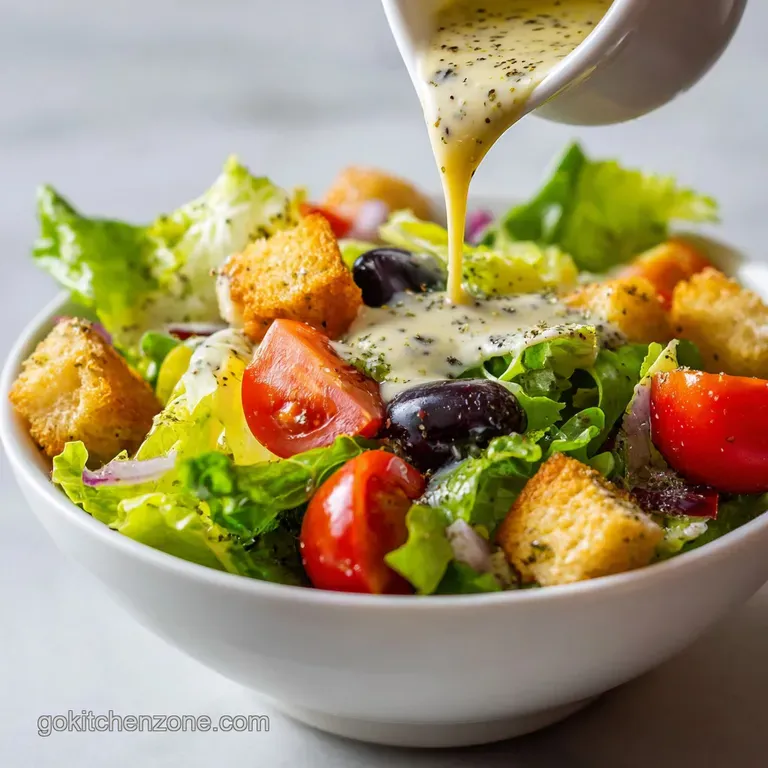
- Combine the dry aromatics. Place 1 tsp dried oregano, 1 tsp dried parsley, 0.5 tsp garlic salt, 1 tbsp granulated sugar, 0.5 tsp coarse black pepper, and 0.25 tsp salt into your jar. Note: Mixing the solids first ensures no clumps of sugar or garlic salt later.
- Add the primary acids. Pour in 0.33 cup white wine vinegar and 1 tbsp fresh lemon juice.
- Hydrate the herbs. Let the mixture sit for 2 minutes until the dried herbs look plump and dark. This "blooms" the flavor.
- Introduce the emulsifier. Add 1 tbsp mayonnaise and 2 tbsp finely grated parmesan cheese.
- Whisk the base. Stir vigorously until the mayo is completely dissolved and no white streaks remain.
- Slowly incorporate the oils. Add 0.5 cup extra virgin olive oil and 0.25 cup neutral oil.
- The big shake. Close the lid tightly and shake for 60 seconds until the liquid turns opaque and slightly thickened.
- Add the visual cue. If using, add 1 drop yellow food coloring and shake once more to distribute.
- The resting period. Let the dressing sit at room temperature for at least 30 minutes before serving. Note: This allows the flavors to marry and the sharpness to mellow.
- Final check. Give it one last quick shake until the herbs are swirling evenly through the gold liquid before pouring over your salad.
Troubleshooting Common Dressing Mistakes
My dressing separated into layers
This usually happens if the oil was added too quickly or the mayonnaise wasn't fully incorporated before the oil hit the jar. If you see a thick layer of oil sitting on top of a watery base, your emulsion has broken.
To fix this, don't just keep shaking. Add another teaspoon of mayonnaise to a clean bowl, then slowly whisk your broken dressing into that fresh mayo, one tablespoon at a time. It will pull the mixture back together into a silky, unified sauce. This is a similar "save" technique used when the glaze in a Crispy Honey Garlic recipe doesn't quite coat the protein correctly.
The flavor is overwhelmingly bitter
Extra virgin olive oil can sometimes have a high polyphenol count, which tastes bitter or "itchy" at the back of the throat. If you used a very robust oil, it can drown out the herbs.
| Problem | Root Cause | Solution |
|---|---|---|
| Bitter Aftertaste | Robust Olive Oil | Add 0.25 cup neutral oil to dilute the intensity. |
| Too Much Tang | High Vinegar Ratio | Add 1 tsp additional sugar or a pinch of salt. |
| Gritty Texture | Large Cheese Particles | Pulse in a blender for 10 seconds to pulverize. |
Common Mistakes Checklist:
- ✓ Using "Salad Olives" juice instead of lemon juice (it's too salty).
- ✓ Skipping the "bloom" time for the dried herbs.
- ✓ Not shaking the jar long enough to activate the mayo.
- ✓ Using bottled lemon juice instead of fresh (the flavor is flat).
- ✓ Storing in a plastic container which can absorb the garlic aroma.
Dietary Adaptations for Every Eater
Making this for a crowd means you might need to pivot for dietary restrictions. Luckily, this olive garden salad dressing is naturally gluten-free, but the dairy and egg components can be tricky for some.
If you are looking for a vegan alternative, swap the mayonnaise for a vegan mayo (brand like Just Mayo or Hellmann's Vegan) and use a vegan parmesan alternative or 1 tablespoon of nutritional yeast. The nutritional yeast provides that same savory umami hit without the dairy.
For a low calorie version, you can replace half of the oil with water and 0.25 tsp of xanthan gum. The xanthan gum will mimic the "body" of the oil without the fat.
When scaling this recipe up for a party (4x the batch), reduce the salt slightly. Spices and salts tend to amplify when doubled or tripled. I recommend starting with 1.5x the salt and pepper and tasting as you go.
If you're doubling the recipe for a large event, keep the liquids at a strict 2x ratio, but be prepared to shake the jar in two separate batches to ensure there is enough headspace for the air to help the emulsion form.
Storage and Clever Leftover Tips
Because we used a mix of extra virgin and neutral oils, this dressing stays remarkably liquid in the fridge. Pure olive oil tends to solidify at 40°F, turning into a butter like consistency that’s impossible to pour.
By blending the oils, you ensure it's ready to go the moment you pull it out for a quick lunch.
- Fridge Life: Store in an airtight glass jar for up to 5 days. After 5 days, the parmesan and lemon juice can start to change the flavor profile.
- Do Not Freeze: The emulsion will break completely upon thawing, leaving you with a curdled mess.
- Zero Waste Tip: If you have a near empty jar of mayonnaise, make the dressing directly in that jar! You’ll use up the last bits of mayo (which helps the emulsion) and save on cleanup.
- Herb Stems: If you happen to have leftover stems from fresh parsley or oregano, toss them into the dressing jar while it sits in the fridge to infuse even more flavor, then strain them out before serving.
Serving and Enjoying Your Creation
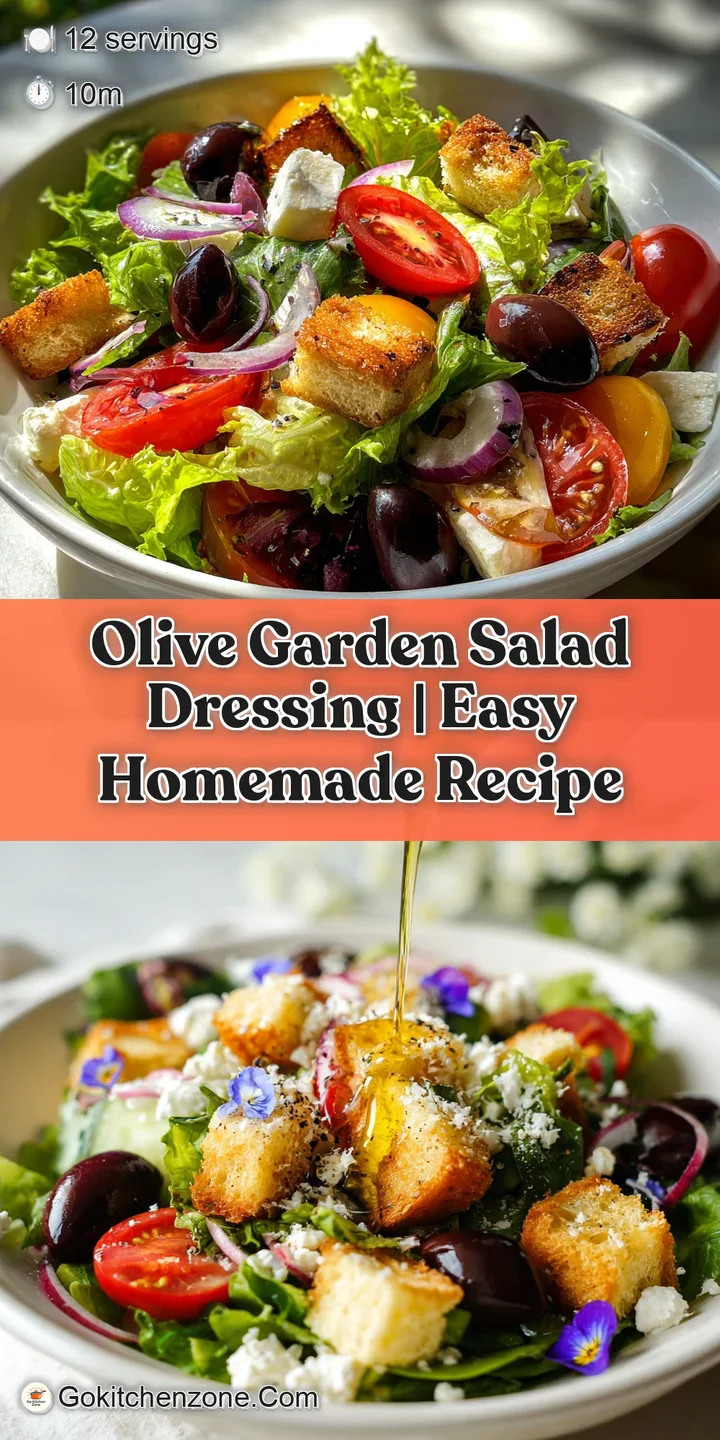
The classic restaurant experience involves more than just the dressing. To really nail the vibe, chill your salad bowls in the freezer for ten minutes before serving. Use a mix of iceberg and romaine lettuce, add some shaved carrots, red cabbage, a few slices of red onion, and the most important part exactly two pepperoncinis and one large black olive per person.
Beyond the salad, this mixture makes an incredible marinade. I've used it for chicken breasts before grilling, and the vinegar tenderizes the meat while the oil and herbs create a beautiful crust. It’s a great way to use up the last half cup of a batch.
Just remember that once the dressing has touched raw meat, you must discard any leftover liquid. Whether you're making a big bowl for a Sunday feast or just prepping for your weekday lunches, this dressing brings a reliable, punchy flavor that never goes out of style.
Frequently Asked Questions
Troubleshooting Common Issues
| Issue | Solution |
|---|---|
| Make this without the mayonnaise | Yes, you can omit the mayo, but the dressing will separate much faster. You will need to give it a very vigorous shake immediately before every pour to ensure you get a consistent mix of oil and vineg |
| Dressing cloudy | Cloudiness is actually a sign of a good emulsion! It means the oil and vinegar have successfully bonded. The addition of parmesan cheese and mayonnaise also adds to the opaque, creamy appearance that |
| How long can it sit out on the table | Because it contains mayonnaise and cheese, it shouldn't sit at room temperature for more than 2 hours. If you're hosting a long dinner, keep the dressing in the fridge until the very last moment or se |
| Use fresh garlic instead of garlic salt | You can, but be careful. Fresh garlic is much more potent and can become bitter or "hot" as it sits in the acidic vinegar. If using fresh, use one small clove, finely minced, and consume the dressing |
| Is this dressing keto friendly | Yes, it is! With only 1.2g of carbs per serving, it fits well into a ketogenic diet. Just ensure you aren't adding extra sugar beyond the 1 tablespoon called for in the recipe. |
Recipe FAQs
What dressing is on the salad at Olive Garden?
It's their signature Italian dressing. This homemade version aims to replicate that tangy, herbaceous, and creamy profile you love, using a blend of oils and mayonnaise as an emulsifier.
What is Olive Garden Italian dressing made of?
A blend of oils, vinegar, herbs, garlic salt, sugar, and mayonnaise. The mayonnaise acts as a crucial emulsifier, creating that signature velvety texture and preventing separation, much like the stable emulsion needed for our Cherry Tomato Pasta.
Is the bottled Olive Garden dressing the same as the restaurant?
No, there are subtle differences. While bottled versions are convenient, this recipe focuses on achieving the fresher, more vibrant flavor and texture by controlling the emulsification process with fresh ingredients.
What makes Olive Garden salad so good?
It's a combination of crisp ingredients and the addictive dressing. The secret to the dressing's appeal lies in its perfect balance of acidity, subtle sweetness, and the creamy, herbaceous coating it provides to every leaf.
Can I make Olive Garden dressing without mayonnaise?
Yes, but it requires extra effort. Omitting the mayonnaise means the dressing will separate much faster. You'll need to give it a very vigorous shake immediately before every pour to re-emulsify the oil and vinegar.
Why is my Olive Garden dressing cloudy?
Cloudiness is actually a good sign! It indicates a successful emulsion, meaning the oil and vinegar have bonded properly. The inclusion of mayonnaise and finely grated parmesan also contributes to this desirable opaque, creamy appearance.
How long can Olive Garden dressing sit out on the table?
No more than 2 hours. Due to the mayonnaise and cheese, it's best to keep the dressing refrigerated until serving time, especially if your event will last longer than that. This precaution is similar to how you'd store delicate ingredients for dishes like Healthy Garlic Parmesan Chicken Pasta to maintain freshness.
Olive Garden Dressing

Ingredients:
Instructions:
Nutrition Facts:
| Calories | 134 kcal |
|---|---|
| Protein | 0.4 g |
| Fat | 14.6 g |
| Carbs | 1.2 g |
| Fiber | 0.1 g |
| Sugar | 1.1 g |
| Sodium | 142 mg |
