Velvety Horseradish Sauce for Prime Rib
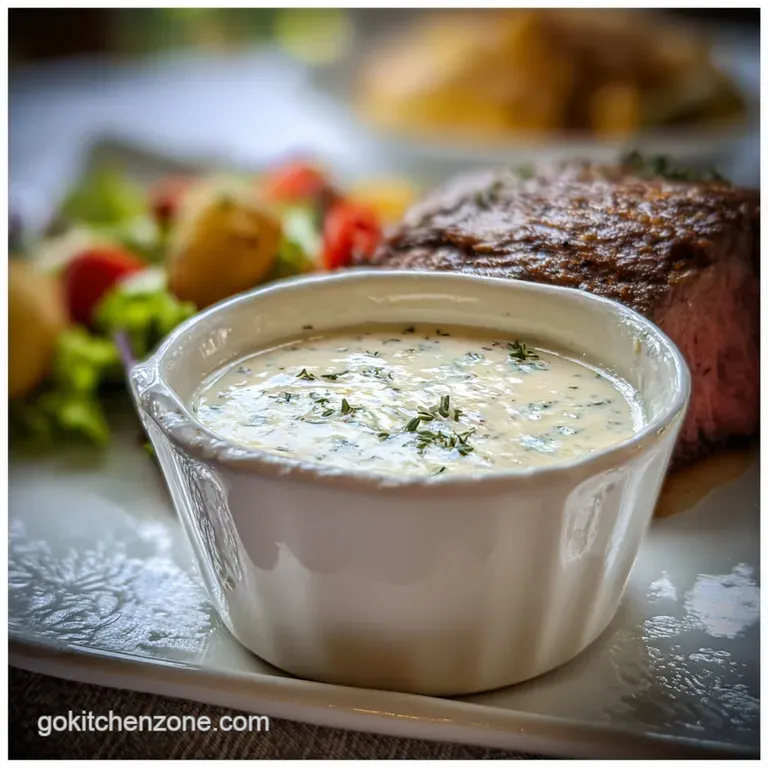
- Time: Active 5 minutes, Passive 30 mins, Total 35 minutes
- Flavor/Texture Hook: Nasal clearing heat with a silky, chilled finish
- Perfect for: Holiday dinners, Sunday roasts, or upgrading a simple roast beef sandwich
- Making The Best Horseradish Sauce For Prime Rib
- Why This Creamy Sauce Just Works
- Quick Stats For Holiday Planning
- Elements Of A Zesty Cream Base
- Essential Tools For Smooth Mixing
- Simple Steps For Bold Results
- Fixing Common Creamy Sauce Errors
- Creative Variations For New Flavors
- Storage Solutions For Extra Sauce
- Best Ways To Serve Horseradish
- Recipe FAQs
- 📝 Recipe Card
Making The Best Horseradish Sauce For Prime Rib
Picture this: you’ve just pulled a massive, herb crusted roast out of the oven. The kitchen smells like rosemary and rendered beef fat. You slice into it, and it’s that perfect, edge to edge pink. But then you realize something is missing.
You need that specific, sinus clearing bite that only a cold, creamy condiment can provide. That is where my favorite horseradish sauce for prime rib comes into play. It is the literal "secret sauce" that turns a heavy meal into a balanced masterpiece.
I’ll be honest, I used to just buy the bottled stuff at the grocery store. It was fine, I guess, but it always tasted a bit flat and weirdly sweet. One year, I was hosting Christmas on a tight budget and decided to make my own using a tub of Daisy Sour Cream and some jarred horseradish I found in the back of the fridge.
The difference was night and day. My uncle actually asked if I had ordered it from a steakhouse. Since then, I’ve tweaked the ratios, learned the science of the "heat," and figured out exactly how to make it feel expensive without spending more than a few dollars.
We aren't doing anything fancy here, but we are doing it right. This isn't just about mixing things in a bowl; it's about understanding how the fat in the cream interacts with the volatile oils in the horseradish. If you've ever had a sauce that was too watery or so hot it was painful, we're going to fix that today.
Trust me, once you make this, you’ll never go back to the shelf stable jars again.
Why This Creamy Sauce Just Works
- Lipid Encapsulation: The high fat content in the full fat sour cream and Hellmann's Real Mayonnaise coats your tongue, which physically slows down how fast the heat hits your receptors.
- Volatile Stabilization: Acid from the lemon juice stabilizes the allyl isothiocyanate (the heat compound), preventing it from dissipating too quickly into the air.
- Osmotic Balancing: Salt draws out a tiny amount of moisture from the chives and horseradish, allowing their flavors to migrate into the fat rich base.
Quick Stats For Holiday Planning
When you are juggling a roasting schedule and three different side dishes, you need to know exactly what you are getting into. This sauce is designed to be the easiest part of your day. It requires zero heat, meaning no stovetop competition for your Prime Rib Roast Oven recipe.
| Metric | Detail |
|---|---|
| Effort Level | Beginner (No cook) |
| Numeric Checkpoint 1 | Drain horseradish for 60 seconds |
| Numeric Checkpoint 2 | Whisk vigorously for 45 seconds |
| Numeric Checkpoint 3 | Chill for 30 minutes minimum |
Elements Of A Zesty Cream Base
Finding the right balance of ingredients is what separates a "meh" sauce from something people talk about for weeks. I always stick to full fat components here. If you try to use low-fat sour cream, the sauce ends up watery and thin, which is a total dinner struggle when it just runs off the meat.
- Full fat Sour Cream (1 cup): This is your foundation. Why this? Provides the body and necessary tang to cut through rich beef fat.
- Mayonnaise (1/4 cup): I prefer Hellmann's. Why this? Adds an egg y richness and keeps the sauce from feeling too "sharp" from the cream.
- Prepared Horseradish (1/2 cup): Make sure it is "prepared" (in vinegar) and not "horseradish sauce." Why this? This is the engine of the recipe; ensure it is well drained.
- Lemon Juice (1 tbsp): Freshly squeezed only. Why this? The citric acid brightens the entire flavor profile and keeps the cream fresh.
- Dijon Mustard (1 tsp): I use Grey Poupon. Why this? Acts as an emulsifier and adds a hidden layer of complexity.
- Kosher Salt (1/2 tsp): Diamond Crystal is my favorite for even seasoning.
- Black Pepper (1/4 tsp): Freshly cracked for the best aroma.
- Fresh Chives (1 tbsp): Mince them very finely so they distribute evenly.
Ingredient Swap Analysis
| Original Ingredient | Substitute | Why It Works |
|---|---|---|
| Sour Cream | Plain Greek Yogurt | Adds more tang but has a slightly grainier texture. |
| Lemon Juice | White Wine Vinegar | Provides the necessary acid but lacks the citrus brightness. |
| Prepared Horseradish | Fresh Grated Root | Much more intense heat; use half the amount and add a splash of vinegar. |
Essential Tools For Smooth Mixing
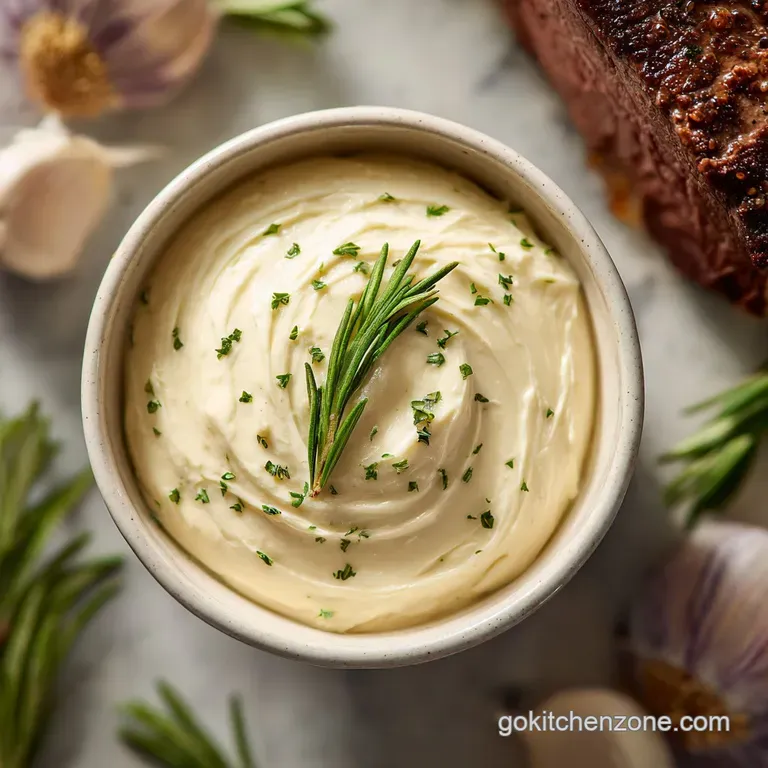
You don't need a pantry full of gadgets, but a few specific items make the job cleaner. I like using a Pyrex Glass Mixing Bowl because it doesn't absorb odors, which is crucial when you're working with something as pungent as horseradish.
- Fine mesh Strainer: Essential for draining the jarred horseradish. If you skip this, your sauce will be soupy.
- Stainless Steel Whisk: A small Whiskware whisk helps incorporate the mustard and mayo into the sour cream without over beating the dairy.
- Silicone Spatula: For scraping every last bit of that "liquid gold" out of the bowl.
- Microplane: If you decide to add a little lemon zest for extra zing, this is the tool to use.
Simple Steps For Bold Results
- Drain the horseradish. Place the 1/2 cup of prepared horseradish into a fine mesh strainer and press it with a spoon for 60 seconds until no more liquid drips out.Note: This prevents the vinegar brine from breaking your cream emulsion.
- Combine the bases. In a medium bowl, add 1 cup of full fat sour cream and 1/4 cup of mayonnaise.
- Add the aromatics. Stir in 1 tbsp of lemon juice and 1 tsp of Dijon mustard.
- Incorporate the heat. Fold in the drained horseradish.
- Season the mix. Sprinkle in 1/2 tsp of kosher salt and 1/4 tsp of black pepper.
- Add the herbs. Gently stir in 1 tbsp of finely minced chives.
- Whisk for texture. Whisk the mixture for 45 seconds until the sauce looks velvety and uniform.
- Chill for potency. Cover the bowl with plastic wrap and refrigerate for 30 minutes until the flavors have fully melded.
Chef's Tip: Freeze your jar of horseradish for 10 minutes before measuring. This "shuts down" some of the fumes, making it much easier on your eyes while you're prepping the sauce.
Fixing Common Creamy Sauce Errors
Even with a simple 5 minute recipe, things can go sideways. I remember one year I was in such a rush I forgot to drain the horseradish. The sauce looked like a broken vinaigrette within twenty minutes. It was a disaster.
Why Your Sauce Is Runny
The most common culprit is excess moisture. If you don't drain the jarred horseradish, the vinegar it's packed in will thin out the sour cream. Also, using "light" or "low-fat" dairy products will always result in a thinner consistency because they lack the structural fat of the full fat versions.
Fixing Common Errors Table
| Problem | Cause | Fix |
|---|---|---|
| Thin/Watery | Undrained horseradish | Whisk in an extra tablespoon of mayo or chill longer. |
| Too Bitter | Old horseradish jar | Add a pinch of sugar to balance the oxidation. |
| No Kick | Volatiles escaped | Fold in a teaspoon of fresh lemon juice to "reactivate" the heat. |
Creative Variations For New Flavors
While the classic version is hard to beat, I sometimes like to play around with the flavor profile depending on what else I'm serving. For example, if I'm making a Hashbrown Casserole recipe as a side, I might make the sauce a little more herbaceous to match.
Mastering the Ruth’s Chris Style
To get that famous restaurant flavor, many people swear by adding a tiny splash of Worcestershire sauce. It adds an "umami" depth that pairs perfectly with the char on a steak. Just half a teaspoon is enough to change the whole vibe.
Creating a Vegan Alternative
I've had guests who don't do dairy, and you can actually make a killer version using a high-quality vegan mayo (like Vegenaise) and a cashew based sour cream. The fat content is still high enough to carry the heat of the horseradish without sacrificing that rich mouthfeel.
If you want X, do Y
- If you want a milder kick, prepare the sauce 24 hours in advance; the dairy will mellow the heat over time.
- If you want maximum sinus clearing power, add the horseradish right before serving and include a teaspoon of the canning liquid.
- If you want a thicker, dip like texture, replace the mayo with an equal amount of softened cream cheese.
Storage Solutions For Extra Sauce
This horseradish sauce for prime rib stores surprisingly well, but it does have a shelf life. Because we are using fresh lemon juice and dairy, you want to be smart about how you keep it.
- Fridge: Keep it in an airtight glass jar for up to 5 days. You might see a little liquid separate on top after a day or two that’s normal. Just give it a quick stir.
- Freezer: Honestly, don't even bother. Freezing dairy based sauces like this causes the emulsion to break, leaving you with a grainy, watery mess once it thaws.
- Zero Waste: If you have leftovers, don't toss them! This sauce is incredible as a spread for roast beef sandwiches the next day. I’ve also stirred a dollop into mashed potatoes, which adds a fantastic zing that cuts through the starch. You can even use it as a dip for fresh veggies or spread it on a piece of grilled salmon.
Best Ways To Serve Horseradish
Presentation matters, especially if you’re serving this alongside a gorgeous Prime Rib recipe. I like to serve it in a small chilled ceramic crock.
Pairing with the Perfect Roast
The contrast between a hot, salty piece of meat and this cold, sharp sauce is what makes the meal. I usually put a generous dollop right on the side of the plate rather than over the meat. This lets people control exactly how much heat they get in every bite.
Stovetop vs. Oven Searing
Depending on how you cooked your beef, you might want to adjust the sauce consistency.
| Method | Beef Result | Sauce Strategy |
|---|---|---|
| Stovetop Sear | Intense, salty crust | Use the full amount of lemon to cut the salt. |
| Oven Roast | Juicy, tender exterior | Keep the sauce thicker to cling to the meat. |
Myth vs. Fact
- Myth: The "heat" in horseradish comes from peppers.
Fact: Horseradish heat comes from a chemical reaction when the root's cells are broken, releasing isothiocyanates. It hits your nose, not your tongue like a chili pepper.
Myth: You should always use fresh root for the best sauce.
- Fact: While fresh root is pungent, high-quality "prepared" horseradish is much more consistent for recipes and already has the vinegar needed to stop the root from turning bitter.
Making this horseradish sauce for prime rib is really about that final touch of care. It’s the difference between a good dinner and one that people are still texting you about three days later.
It’s fast, it’s cheap, and it’s arguably the most important thing on the table next to the beef itself. Give it a shot this weekend, and I promise you'll see exactly what I mean. Your roast deserves a partner this good!

Recipe FAQs
How to make horseradish sauce for prime rib?
Yes, start with prepared horseradish. Combine full fat sour cream, mayonnaise, drained prepared horseradish, lemon juice, Dijon mustard, salt, and pepper, then whisk until completely smooth and chill for at least 30 minutes for best flavor melding.
How to make horseradish sauce for prime rib roast?
The goal is a rich, cold contrast. Use full fat dairy components like sour cream to achieve a coating texture that balances the roast's richness; this method requires no cooking time, leaving your stovetop free for the roast itself, similar to how we manage timing for our Prime Rib Roast Recipe: Shatter Crisp Crust.
How to make horseradish sauce for prime rib without fresh horseradish root?
Yes, prepared horseradish is standard. Use jarred, prepared horseradish that is packed in vinegar, but be sure to drain it thoroughly first; fresh root is much more volatile and you would need to use half the amount initially.
How to make horseradish dip for prime rib?
Use more binding agents for a thicker dip texture. To make it thicker than a standard sauce, substitute the mayonnaise with an equal amount of softened cream cheese, which will create a much more stable, scoopable base.
How to make horseradish cream for prime rib?
Emulsification is key to the creaminess. Whisk the dairy (sour cream/mayo) base vigorously for 45 seconds after adding the seasonings; this step helps create a stable emulsion that prevents the sauce from separating as it chills.
Can I substitute the sour cream in the horseradish sauce?
Plain Greek yogurt is the best substitution. It provides the necessary tanginess, but be aware that it often results in a slightly thinner sauce because it naturally contains less fat than full fat sour cream.
How far ahead of time can I prepare the horseradish sauce?
Make the base up to three days ahead. The flavors deepen nicely after resting overnight in the refrigerator, allowing the volatile horseradish heat to integrate smoothly with the rich dairy components.
Horseradish Sauce For Prime Rib
Ingredients:
Instructions:
Nutrition Facts:
| Calories | 117 kcal |
|---|---|
| Protein | 1.0 g |
| Fat | 11.4 g |
| Carbs | 3.2 g |
| Fiber | 0.3 g |
| Sugar | 1.5 g |
| Sodium | 282 mg |
