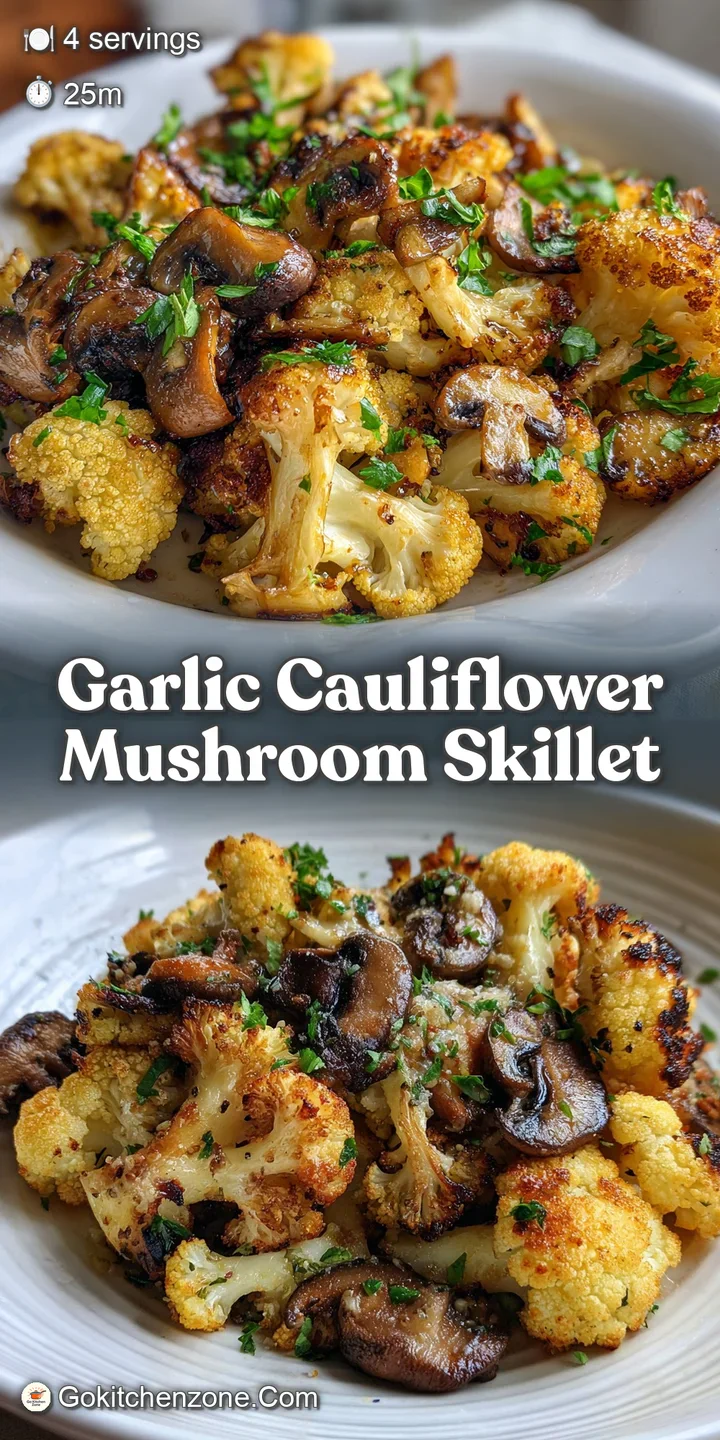
Garlic Cauliflower Mushroom Skillet
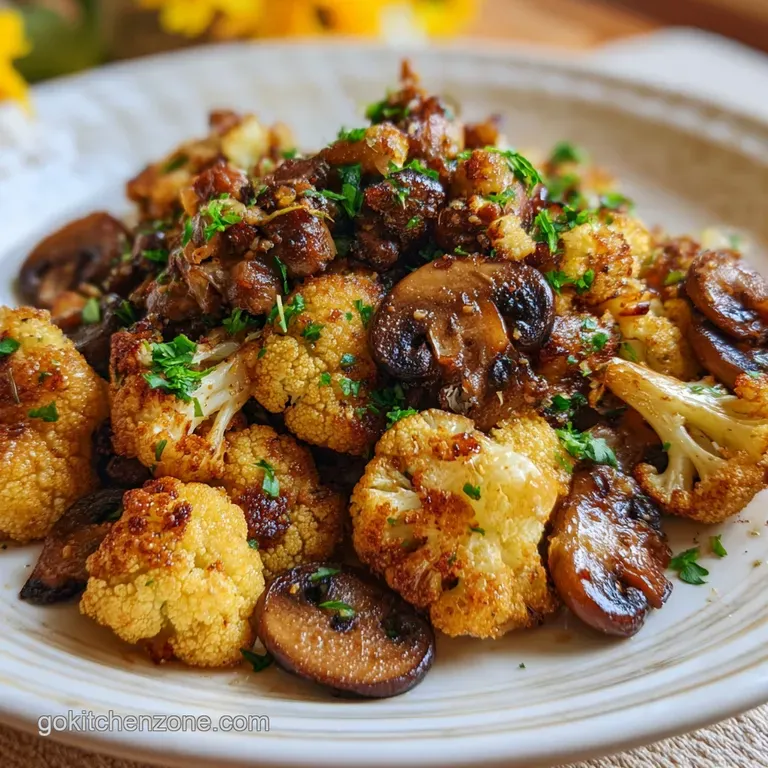
- Time: Active 10 minutes, Passive 15 minutes, Total 25 minutes
- Flavor/Texture Hook: Earthy, buttery mushrooms paired with crispy, garlic flecked cauliflower
- Perfect for: Low carb weeknight dinners or a quick meal prep base
- Master a Garlic Cauliflower Mushroom Skillet
- The Science of High Heat Searing
- Analyzing the Essential Skillet Ingredients
- Kitchen Tools for Skillet Success
- Choosing the Right Produce Elements
- Guided Steps to Sizzling Perfection
- Solving Common Texture and Flavor Issues
- Practical Scaling Guidelines
- Comparison of Fresh vs Shortcut Ingredients
- Discovered Kitchen Realities
- Proper Storage and Zero Waste Tips
- Best Pairings for a Balanced Plate
- Recipe FAQs
- 📝 Recipe Card
Master a Garlic Cauliflower Mushroom Skillet
The sizzle of sliced Cremini mushrooms hitting a hot pan is one of those sounds that tells your brain dinner is going to be alright. I used to think that just tossing everything into a skillet at once was the way to go, but I always ended up with a sad, watery pile of gray vegetables.
It was a total dinner struggle until I realized that heat management and timing are the real secrets to a great vegetable sauté.
I remember one Tuesday night when I was staring at a half head of cauliflower and some mushrooms that were on their last legs. I decided to stop treating them like a "side dish" and started treating them like a steak.
I cranked the heat, let the pan get screaming hot, and didn't touch the mushrooms for three full minutes. The result was a velvety, golden brown crust that changed my entire approach to this Garlic Cauliflower Mushroom Skillet.
We have all been there, standing over a steaming pan hoping the water will evaporate before the veggies turn to mush. This recipe is the answer to that problem. It is fast, requires only one pan, and relies on simple pantry staples to make the flavors pop.
Trust me on this: once you see that first charred edge on the cauliflower, you will never go back to steaming it again.
The Science of High Heat Searing
Maillard Reaction: High heat triggers a chemical reaction between amino acids and reducing sugars, creating the brown crust and complex savory flavors.
Cellular Collapse: Rapid evaporation of surface moisture prevents the vegetable cells from boiling in their own juices, maintaining a crisp internal structure.
| Method | Cook Time | Texture | Best For |
|---|---|---|---|
| over High heat Skillet | 15 minutes | Crispy, charred edges | Maximum flavor development |
| Roasting (Oven) | 30 minutes | Tender and sweet | Hands off bulk cooking |
| Steaming | 8 minutes | Soft and pale | Healthy, low-fat prep |
Choosing the right method depends on how much time you have, but for this specific Garlic Cauliflower Mushroom Skillet, the stovetop offers the best control over the char. Unlike the oven, where moisture can get trapped, the open skillet allows steam to escape immediately so the vegetables actually fry instead of soften.
Analyzing the Essential Skillet Ingredients
To get that perfect texture, we have to look at how each component behaves under heat. Not all mushrooms or onions are created equal when you are working with high temperatures in a limited amount of oil.
| Component | Science Role | Pro Secret |
|---|---|---|
| Cremini Mushrooms | Dense structure resists shrinking | Slice them thick so they don't disappear during the sear. |
| Cauliflower | Porous surface absorbs fat | Keep florets small (1 inch) to increase surface area for browning. |
| Garlic Cloves | Aromatic infusion | Add at the very end to prevent the bitter "burnt garlic" taste. |
The Cremini mushrooms are key here because they hold significantly less water than white button mushrooms. This means they will brown faster and keep their meaty "chew" even after the cauliflower is tender. If you want to expand your repertoire, you might like the earthy notes in this Vegetarian Garlic Mushroom recipe which uses a similar flavor profile but adds a creamy element.
Kitchen Tools for Skillet Success
You don't need a professional kitchen, but a heavy bottomed pan is non negotiable for a good Garlic Cauliflower Mushroom Skillet. Thin pans create hot spots that burn the garlic while leaving the cauliflower raw in the center.
I personally prefer a well seasoned cast iron skillet (like a Lodge) because it retains heat like a beast, ensuring the pan temperature doesn't drop the moment you add the cold vegetables.
If you don't have cast iron, a heavy stainless steel skillet works perfectly well. Just avoid non stick pans if you want a real sear; they are designed to prevent sticking, which is exactly what we need for the Maillard reaction to take hold.
You also need a sharp chef's knife to get those cauliflower florets into uniform 1 inch pieces. Uniformity is the difference between a bite of perfectly cooked veggie and a bite that's still crunchy in the middle.
Choosing the Right Produce Elements
Freshness matters, but so does preparation. When you're at the store, look for cauliflower that is tight and bright white with no brown spots. For the mushrooms, avoid any that feel slimy. We want firm, dry caps that will drink up the olive oil and broth during the cooking process.
- 1 medium head cauliflower (approx. 500g): Cut into small, 1 inch florets. Why this? Smaller pieces cook faster and catch more garlic bits.
- 8 oz Cremini mushrooms: Sliced thick (about 1/4 inch). Why this? Thick slices maintain a "meaty" texture against the cauliflower.
- 0.5 small yellow onion: Thinly sliced. Why this? Yellow onions have a higher sugar content for better caramelization.
- 4 large cloves garlic: Finely minced. Why this? Mincing releases more allicin for a sharper garlic punch.
- 2 tbsp extra virgin olive oil: Use a high-quality oil.
- 2 tbsp vegetable broth: To deglaze the pan.
- 2 tbsp fresh parsley: Chopped fine for a bright finish.
- 1 tsp fresh thyme leaves: Adds a woody, citrusy undertone.
- 0.5 tsp sea salt: To draw out moisture and season.
- 0.25 tsp cracked black pepper: For a subtle heat.
- 1 tsp lemon juice: To cut through the richness of the oil.
| Original Ingredient | Substitute | Why It Works |
|---|---|---|
| Cremini Mushrooms | Portobello (chopped) | Same density but much larger; adds a deeper earthy flavor. |
| Vegetable Broth | Dry White Wine | Adds acidity and helps lift the browned bits (fond) off the pan. |
| Yellow Onion | Shallots | Provides a more delicate, garlicky sweetness to the base. |
Guided Steps to Sizzling Perfection
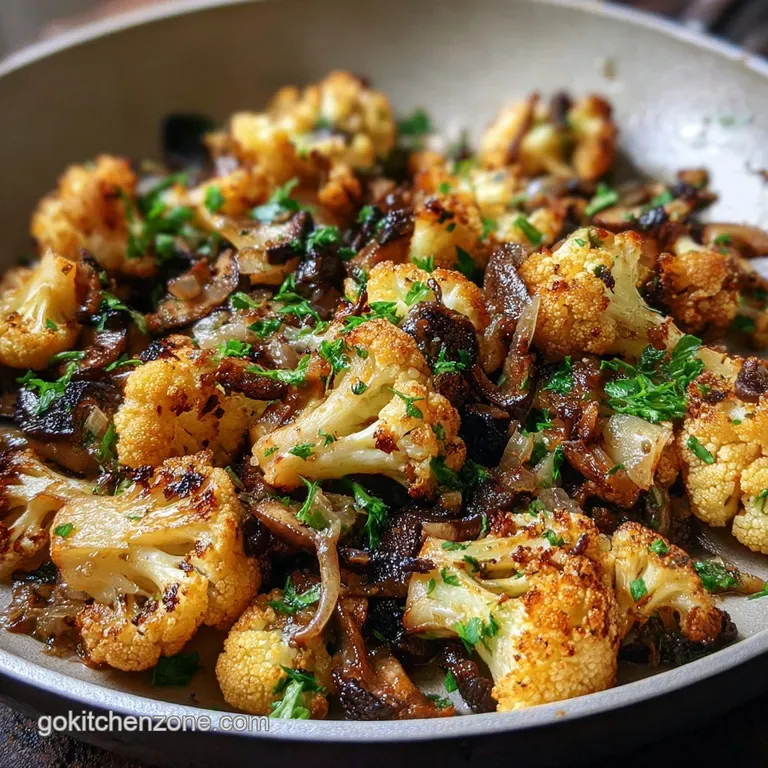
- Prep the vegetables. Cut the 500g cauliflower into small 1 inch florets and slice the 8 oz Cremini mushrooms into thick pieces. Note: Keep the sizes consistent for even cooking.
- Heat the skillet. Add 2 tbsp olive oil to a large skillet over medium high heat until the oil ripples and shimmers.
- Sear the mushrooms. Add the mushrooms in a single layer. Cook 3-4 minutes without stirring until the bottoms are deep golden brown.
- Add the onion. Toss in the 0.5 sliced onion. Cook 2 minutes until translucent and soft.
- Char the cauliflower. Move the mushrooms to the edges and add the cauliflower florets to the center. Cook 5-6 minutes, tossing occasionally until the edges start to shatter and turn brown.
- Deglaze the pan. Pour in 2 tbsp vegetable broth. Scrape the bottom of the pan to release all the flavor packed brown bits.
- Season the mix. Sprinkle in the 0.5 tsp salt, 0.25 tsp pepper, and 1 tsp fresh thyme.
- Infuse the garlic. Stir in the 4 minced garlic cloves. Cook 1-2 minutes until fragrant but not brown.
- Brighten the dish. Remove from heat and stir in 1 tsp lemon juice and 2 tbsp fresh parsley. Ensure the parsley is evenly distributed.
- Final Check. Taste for salt. The cauliflower should be fork tender but still have a slight snap.
Solving Common Texture and Flavor Issues
The biggest hurdle with any cauliflower dish is moisture management. Cauliflower is about 92% water, so if you cover the pan or crowd it too much, you are essentially steaming it. This is why we use high heat and a large enough pan.
If you find your vegetables are turning gray instead of brown, you might have too many things in the pan at once.
Why Your Cauliflower Is Mushy
When cauliflower is heated, its cell walls begin to break down. If there is excess steam in the pan, the vegetable absorbs that moisture, leading to a velvety but limp texture rather than a crisp tender one.
This usually happens if the heat is too low or if you added the salt too early, which draws out water before the sear can happen.
| Problem | Root Cause | Solution |
|---|---|---|
| Soggy texture | Crowded pan | Cook in two batches to allow steam to escape. |
| Burnt garlic | Added too early | Only add garlic during the last 2 minutes of cooking. |
| Bland flavor | Lack of acidity | Add an extra splash of lemon juice or a dash of vinegar. |
Common Mistakes Checklist - ✓ Pat the mushrooms dry with a paper towel before slicing (water is the enemy of a sear). - ✓ Let the skillet heat up for at least 3 minutes before adding any oil.
- ✓ Avoid the urge to stir the mushrooms immediately; let them sit to develop a crust. - ✓ Use fresh garlic rather than the jarred stuff for a cleaner, sharper flavor. - ✓ Ensure florets are small; 1 inch is the "sweet spot" for fast, even cooking.
Practical Scaling Guidelines
If you're cooking for a crowd or just yourself, you can't just double everything and hope it works the same way. The Garlic Cauliflower Mushroom Skillet relies on surface area.
Scaling Down (1-2 Servings): Use a smaller 8 inch skillet. You can use a whole egg instead of half if you're making a breakfast version, but for this veg only dish, just halve the weights. Reduce the broth to 1 tbsp so you don't drown the smaller amount of vegetables.
Scaling Up (6-8 Servings): Do not try to fit two heads of cauliflower in one pan. Work in batches. Sear all the mushrooms first, remove them, then sear all the cauliflower. Combine everything at the very end to add the garlic and herbs.
If you double the spices, start with 1.5x the salt first; you can always add more, but you can't take it away.
Comparison of Fresh vs Shortcut Ingredients
Sometimes you don't have time to break down a whole head of cauliflower. Here is how shortcuts stack up against the fresh approach for this recipe.
| Feature | Fresh Cauliflower & Mushrooms | Pre Cut Bagged Veggies |
|---|---|---|
| Texture | Firm and easy to char | Can be slightly drier or "woody" |
| Prep Time | 10 minutes | 0 minutes |
| Flavor Impact | High moisture, very sweet | Slightly muted; needs more seasoning |
Discovered Kitchen Realities
One common misconception is that you need a ton of oil to get vegetables crispy. In reality, the mushrooms act like sponges. If you add more oil halfway through, the mushrooms will just soak it up and become greasy.
The "dry sear" method letting the mushrooms sit in a hot pan with minimal fat actually yields a much better texture.
Another myth is that garlic needs to be browned to be flavorful. In this Garlic Cauliflower Mushroom Skillet, browning the garlic actually ruins the dish. Because the garlic is minced so small, it can turn from golden to bitter in about 30 seconds.
That is why we add it at the very end when the pan's residual heat can cook it gently.
Proper Storage and Zero Waste Tips
Storage: This skillet keeps surprisingly well in the fridge for up to 4 days. Store it in a glass airtight container to keep the garlic smell from invading your other food. When reheating, use a skillet rather than a microwave to bring back some of the texture.
Freezing: I don't recommend freezing this dish once it's cooked. Cauliflower and mushrooms both have high water contents, and the ice crystals will destroy their cell walls, leaving you with a watery mess once thawed.
Zero Waste: Don't throw away those cauliflower stems! Peel the tough outer layer, dice the tender core, and toss it in with the florets. They have a wonderful crunch. For the mushroom stems, if they are too woody to eat, save them in a bag in your freezer to make a rich vegetable stock later.
Best Pairings for a Balanced Plate
This Garlic Cauliflower Mushroom Skillet is incredibly versatile. It has that savory, "umami" profile that pairs beautifully with grilled proteins. If you are looking for a cohesive meal, try serving this alongside a Crispy Honey Garlic recipe for a vegetarian feast that hits all the sweet and salty notes.
Decision Shortcut - If you want a creamy finish, stir in 1 tbsp of heavy cream or coconut milk at the very end. - If you want it spicy, add 0.5 tsp of red pepper flakes when you add the garlic.
- If you want a crunchy topping, sprinkle with toasted panko breadcrumbs before serving.
For a low carb pairing, this works perfectly as a "bed" for a seared chicken breast or a piece of flaky white fish. The lemon juice in the skillet acts as a built in sauce for the protein, tying the whole plate together without needing a separate gravy.
It is a one pan solution that makes the weeknight dinner struggle feel like a win.
Recipe FAQs
What is the best way to cook cauliflower for this skillet recipe?
Cut into small, 1 inch florets. Smaller pieces cook faster and absorb more flavor, ensuring they char nicely without becoming mushy.
Can I use button mushrooms instead of cremini?
Yes, but cremini mushrooms are preferred. Cremini mushrooms hold less water, browning faster and maintaining a better texture, while button mushrooms can become watery and shrink more.
Why should I add garlic at the end?
To prevent a bitter flavor. Minced garlic cooks very quickly and can turn bitter if exposed to high heat for too long; adding it at the end infuses its aroma without burning.
What happens if I overcrowd the pan?
Your vegetables will steam instead of sear. Overcrowding prevents moisture from escaping, leading to a soggy texture rather than the desired crispy, charred edges.
How can I make this skillet recipe spicier?
Add red pepper flakes. Stir in about 0.5 teaspoon of red pepper flakes when you add the garlic during the last minute of cooking for a gentle heat.
Can I prepare the vegetables ahead of time?
Yes, chop vegetables up to 2 days in advance. Store them in airtight containers in the refrigerator; this makes assembly for the skillet much faster on busy weeknights.
What's a good low-carb pairing for this dish?
Serve it as a base for proteins. This skillet is excellent topped with seared chicken breast or flaky white fish, acting as a flavorful side that complements the main.
Garlic Cauliflower Mushroom
Ingredients:
Instructions:
Nutrition Facts:
| Calories | 116 calories |
|---|---|
| Protein | 4.6 g |
| Fat | 7.3 g |
| Carbs | 10.9 g |
| Fiber | 3.3 g |
| Sugar | 3.1 g |
| Sodium | 312 mg |
