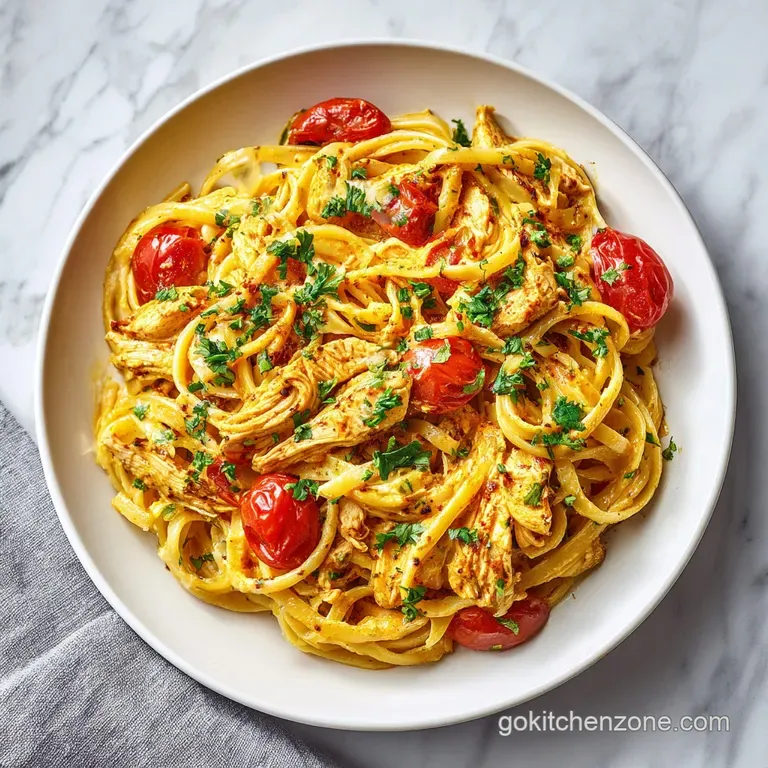
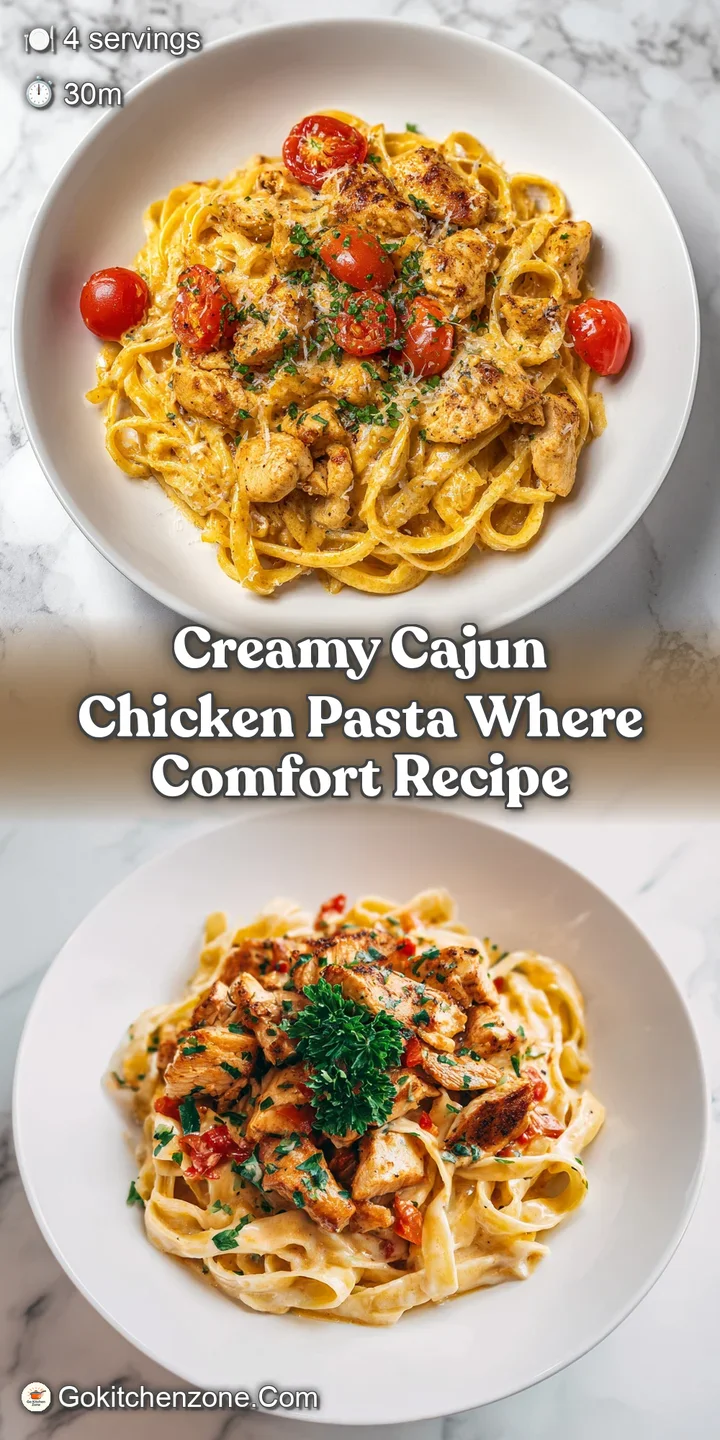
Creamy Cajun Chicken Pasta Where Comfort
- Time: Active 15 minutes, Passive 15 minutes, Total 30 minutes
- Flavor/Texture Hook: Velvety cream sauce with charred, spicy chicken
- Perfect for: Weeknight dinner struggle or a cozy date night
- Why This Creamy Cajun Chicken Pasta where Comfort Reigns Supreme
- Critical Numbers for a Fast Weeknight Dinner
- Elements for a Balanced Spice Rich Meal
- Simple Tools for a One Pan Vibe
- The Step-by-Step Flow for Velvety Results
- Fixing Texture Flaws and Common Sauce Errors
- Flavor Variations and Dietary Adjustments
- Kitchen Wisdom and Myth Busting
- Keeping Leftovers Fresh and Using Scraps
- Plating for Impact and Final Garnishes
- Very High in Sodium
- Recipe FAQs
- 📝 Recipe Card
Why This Creamy Cajun Chicken Pasta where Comfort Reigns Supreme
Indulge in this Creamy Cajun Chicken Pasta where Comfort meets Spice, a guaranteed weeknight dinner winner. I remember the first time I tried making this. I was staring at a pack of chicken breasts and a half empty jar of Cajun seasoning, dreading another boring meal.
The moment the spiced chicken hit the hot oil, the aroma hit me like a physical wave. It wasn't just food; it was a vibe. The kitchen filled with that smoky, peppery scent that makes your mouth water before you even grab a fork.
What I love about this recipe is how it handles the heat. You get that initial zing from the cayenne and paprika, but then the heavy cream rushes in to smooth everything over. It's like a warm hug for your taste buds. We've all had those "pasta nights" that feel like a chore, but this one actually feels like a treat.
Plus, it only takes 30 minutes, which is basically the time it takes for me to decide what to watch on Netflix.
The secret I learned after a few failed attempts is all about the "fond" those little brown bits stuck to the bottom of the pan. Most people wash them away, but that's where the soul of the dish lives.
When you deglaze that pan with the chicken broth, you're pulling all that concentrated flavor back into the sauce. It turns a standard white sauce into something complex and golden. Trust me, once you master that, you'll never go back to jarred sauce again.
The Physics of the Velvety Emulsion
Starch Fat Bonding: The residual starch on the pasta surfaces works with the high fat content of the heavy cream to create a stable, thick coating. This prevents the sauce from separating into an oily mess when it hits the heat.
Fast vs Classic Execution
| Feature | Fast (This Recipe) | Classic (Slow Version) |
|---|---|---|
| Prep Time | 15 minutes | 40 minutes |
| Sauce Base | Heavy cream reduction | Roux based Bechamel |
| Veggie Texture | Crisp tender | Fully caramelized |
Critical Numbers for a Fast Weeknight Dinner
Before we get into the flow of the kitchen, let's look at the benchmarks. Timing is everything when you're trying to keep the chicken juicy and the pasta from turning into mush. If you follow these checkpoints, you'll hit that sweet spot where every bite is consistent. This is much more reliable than a generic Creamy Chicken Pasta recipe because we are specifically accounting for the spice charring process.
Quick Decision Table
| Chicken Thickness | Internal Temp | Rest Time | Visual Cue |
|---|---|---|---|
| 1/2 inch strips | 165°F | 3 mins | No pink in center |
| 1 inch cubes | 165°F | 5 mins | Golden brown crust |
| Thin cutlets | 165°F | 2 mins | Opaque and firm |
The most important number here is 165°F. Since we are slicing the 1 lb boneless skinless chicken breast into thin strips, they cook incredibly fast. If you leave them in the pan too long while making the sauce, they turn into rubber erasers.
Always pull the chicken out once it hits the temp and let it rest on a side plate. The carryover heat finishes the job while the fibers relax, keeping the meat silky.
Elements for a Balanced Spice Rich Meal
Success in the kitchen usually happens before you even turn on the stove. For this Creamy Cajun Chicken Pasta where Comfort meets Spice, the quality of your Parmesan and the freshness of your spices matter.
Using pre shredded cheese is a mistake I made once and never again; the cellulose coating keeps it from melting, leaving you with a grainy sauce.
Component Analysis
| Ingredient | Science Role | Pro Secret |
|---|---|---|
| Heavy Cream | Emulsifier base | Use room temp to avoid curdling |
| Cajun Seasoning | Flavor catalyst | Bloom in oil to release aromatics |
| Parmesan | Thickening agent | Grate it fresh for a silky melt |
| Pasta Water | Binding liquid | The starch acts as "glue" for sauce |
Ingredients & Substitutes
- 1 lb chicken breast: Sliced thin. Why this? Strips cook fast and maximize surface area for spice. (Sub: 1 lb large shrimp)
- 2 tbsp Cajun seasoning: The heart of the dish. (Sub: 1 tbsp paprika + 1 tsp garlic powder + 1/2 tsp cayenne)
- 2 tbsp olive oil: For over high heat searing. (Sub: Avocado oil)
- 12 oz penne or farfalle pasta: Ridged shapes. Why this? Grooves catch the sauce better than smooth pasta. (Sub: Rotini)
- 1 medium red bell pepper: Sliced. (Sub: Roasted red peppers from a jar)
- 1 medium yellow onion: Thinly sliced. (Sub: Shallots for a milder bite)
- 3 cloves garlic: Minced fresh. (Sub: 1 tsp garlic paste)
- 1.5 cups heavy cream: For the velvety finish. (Sub: Full fat coconut milk for dairy-free)
- 0.5 cup chicken broth: To deglaze the pan. (Sub: Dry white wine like Sauvignon Blanc)
- 0.5 cup Parmesan cheese: Freshly grated. (Sub: Pecorino Romano)
- Fresh parsley and green onions: For the finish.
Chef Tip: Freeze your block of Parmesan for 10 mins before grating. It makes the cheese firmer and prevents it from clumping or melting against the heat of your hands.
Simple Tools for a One Pan Vibe
You don't need a professional kitchen, but a few specific tools make this much easier. A heavy bottomed skillet is non negotiable. I prefer a 12 inch cast iron or stainless steel pan because they hold heat like a champ.
When you toss the 12 oz penne or farfalle pasta into the sauce, you need enough surface area to stir without making a mess.
- Large Skillet: 12 inch diameter is the sweet spot.
- Microplane: For that snow like Parmesan texture.
- Tongs: Better for flipping chicken strips than a spatula.
- Pasta Pot: To boil those 12 ounces of pasta to al dente.
If you don't have a heavy skillet, you can use a dutch oven. It helps prevent the 1.5 cups heavy cream from boiling over if you get the heat too high. Just watch the edges, as sauces tend to scorch in the corners of deeper pots.
The step-by-step Flow for Velvety Results
This is where the magic happens. We want the chicken to sizzle and the vegetables to soften without losing their color. The goal is to build layers of flavor in one single pan. If you follow this flow, you’ll see how Cajun Chicken Pasta where Comfort meets Spice comes together in a seamless rhythm.
3 Step Timeline
- Prep (0-10 mins): Slice chicken, veggies, and grate cheese. Boil pasta water.
- Sizzle (10-20 mins): Sear chicken and sauté aromatics.
- Simmer (20-30 mins): Reduce cream, melt cheese, and toss everything together.
The Instructions
- Boil the pasta. Cook the 12 oz penne in salted water until just shy of al dente. Note: It will finish cooking in the sauce later.
- Season the meat. Toss the chicken strips with 2 tbsp Cajun seasoning until every piece is fully coated.
- Sear the chicken. Heat 2 tbsp olive oil in a large skillet over medium high heat. Add chicken and cook for 5-7 minutes until a dark crust forms. Remove and set aside.
- Sauté the aromatics. In the same pan, add the sliced onion and red bell pepper. Cook for 3-4 minutes until they soften and pick up brown bits.
- Add the garlic. Toss in the 3 cloves of minced garlic and cook for 30 seconds until the scent fills the room.
- Deglaze the pan. Pour in 0.5 cup chicken broth. Scrape the bottom of the pan with a wooden spoon until the brown bits dissolve.
- Build the sauce. Pour in 1.5 cups heavy cream. Bring to a gentle simmer for 3-5 minutes until the liquid slightly thickens.
- Incorporate cheese. Reduce heat to low. Whisk in 0.5 cup Parmesan until the sauce is silky and smooth.
- The final toss. Add the cooked pasta and chicken back into the skillet. Toss for 1-2 minutes until the sauce clings to every noodle.
- Garnish and serve. Sprinkle with parsley and green onions until the colors pop against the cream.
Chef Tip: Add a splash of the starchy pasta water (about 1/4 cup) right at the end. It acts as an emulsifier to keep the sauce from breaking and makes it look like it came from a high end bistro.
Fixing Texture Flaws and Common Sauce Errors
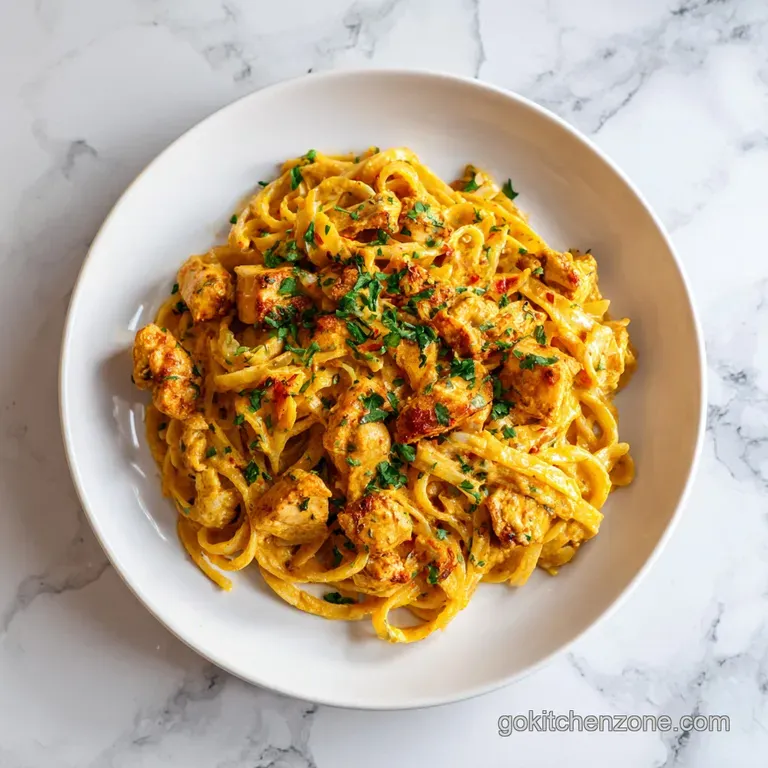
Even with a straightforward recipe, things can go sideways. Maybe the heat was too high, or the chicken was a bit damp. The good news is that almost any issue with Chicken Pasta where Comfort meets Spice can be fixed with a little kitchen chemistry.
Why Your Sauce Broke
If you see oil separating from the cream, your heat was likely too high. High heat causes the proteins in the dairy to clump together and push the fat out. To fix this, remove the pan from the heat immediately and whisk in a tablespoon of cold heavy cream or a splash of pasta water.
The sudden drop in temperature and the new emulsifiers can often bring it back together.
Troubleshooting Table
| Problem | Root Cause | Solution |
|---|---|---|
| Gummy Sauce | Pre shredded cheese | Switch to fresh grated Parmesan next time |
| Dry Chicken | Overcooked in Phase 2 | Reduce sear time; finish in the sauce |
| Bland Pasta | Unsalted boiling water | Season the sauce more aggressively at the end |
Common Mistakes Checklist
- ✓ Don't wash the pan after cooking the chicken; that "debris" is pure flavor.
- ✓ Ensure the chicken is patted dry before seasoning to get a better sear.
- ✓ Avoid boiling the cream once the cheese is added to prevent graininess.
- ✓ Slice your vegetables into uniform sizes so they cook at the same rate.
- ✓ Reserve your pasta water before draining you will almost always need it.
Flavor Variations and Dietary Adjustments
One of the best things about this dish is how adaptable it is. If you want to change the protein or need to accommodate a guest's diet, the base sauce is a perfect canvas. It's much more versatile than a rigid Chicken Tortilla Soup recipe, though both share that love for bold spices.
Adjusting for Scale
- Cutting in Half: Use a smaller 10 inch pan. Reduce the cream to 3/4 cup but keep the broth at 1/4 cup to ensure enough liquid for deglazing.
- Doubling the Batch: Use two separate skillets. If you crowd one pan with 2 lbs of chicken, the meat will steam and turn gray instead of searing. Increase spices to 1.5x, not 2x, to avoid over salting.
- Baking Version: Toss everything together, top with extra mozzarella, and bake at 375°F for 10 minutes for a bubbly crust.
If You Want X, Do Y
- If you want more crunch, add 1/2 cup of celery along with the onions.
- If you want a lighter feel, swap half the heavy cream for whole milk and add 1 tsp of cornstarch.
- If you want extra smoke, add 1/2 tsp of liquid smoke or use smoked paprika in your spice mix.
Kitchen Wisdom and Myth Busting
There is a lot of noise online about what makes "authentic" Cajun food. While this is a fusion style pasta, some general kitchen myths still apply. For example, many people think you shouldn't salt your pasta water until it's boiling. Truth is, it doesn't matter when you add it; the water will boil regardless.
The important part is that the water tastes like the sea so the pasta is seasoned from the inside out.
Myth: Searing the chicken "locks in the juices." Actually, searing is about the Maillard reaction creating new flavor compounds through heat and amino acids. It doesn't create a waterproof barrier.
The real way to keep chicken juicy is to not overcook it and let it rest so the internal pressure equalizes.
Myth: You must use a roux for a thick cream sauce. While a roux (flour and fat) is traditional for many sauces, heavy cream reduces naturally. As the water evaporates from the cream, the fat and protein solids concentrate, creating a thick, velvety texture without the floury taste.
Keeping Leftovers Fresh and Using Scraps
This meal is a heavy hitter for leftovers, but cream sauces can be finicky. If you just throw it in the microwave, the fat will likely separate and leave you with a puddle of oil. But where Comfort meets Spice is in the reheating technique just as much as the cooking.
Storage: Keep in an airtight container in the fridge for up to 3 days. I don't recommend freezing this dish, as the cream and pasta texture will degrade significantly upon thawing.
Reheating: The best way to revive this is on the stovetop. Add the pasta to a small pan with a splash of milk or broth. Heat over low, stirring constantly, until the sauce becomes creamy again. If you must use a microwave, use 50% power and stir every 30 seconds.
Zero Waste: Don't throw away those parsley stems or onion skins! Toss them into a freezer bag. Once the bag is full, boil them with water to create a vegetable scrap broth. You can use that broth instead of store-bought chicken broth the next time you make this recipe. Also, if you have leftover Cajun chicken but no pasta, it makes a killer topping for an Easy Pasta Salad recipe the next day.
Plating for Impact and Final Garnishes
We eat with our eyes first. Because this dish is quite monochromatic (lots of beige and orange), those green garnishes aren't just for show they provide a necessary visual break. Use a wide, shallow bowl rather than a deep one to show off the different components.
Start by mounding the pasta in the center, ensuring a few pieces of red pepper are visible on top. Lean the chicken strips against the pile so they don't get buried. Finally, a heavy dusting of fresh parsley and thinly sliced green onions adds a bright, grassy contrast to the heavy cream.
If you’re feeling fancy, a final squeeze of lemon juice over the top can cut through the fat and make the Cajun spices sing.
This Creamy Cajun Chicken Pasta where Comfort meets Spice is all about the balance of bold and soft. It’s the kind of meal that makes you forget about a long day the second that first spicy, creamy bite hits. Enjoy it while it's hot, and don't be afraid to go back for seconds!
Very High in Sodium
1140 mg mg of sodium per serving (50% % of daily value)
The American Heart Association recommends limiting sodium intake to no more than 2,300mg per day for most adults. Reducing sodium intake can significantly benefit your heart health.
Sodium Reduction Tips for Cajun Chicken Pasta:
-
Low-Sodium Broth-30%
Replace regular chicken broth with low-sodium or no-sodium added chicken broth. This simple swap can significantly reduce the sodium content.
-
Reduce Parmesan-15%
Parmesan cheese is high in sodium. Reduce the amount of Parmesan by half or use a lower sodium cheese alternative.
-
Lighten the Cajun-25%
Cajun seasoning often contains a lot of salt. Use half the amount of Cajun seasoning called for in the recipe, or create your own blend without added salt.
-
Fresh Herbs & Spices
Enhance the flavor with fresh herbs like parsley, thyme, and oregano, and spices like paprika, garlic powder, and onion powder to compensate for the reduced sodium without sacrificing taste. Experiment to find your favorite combination!
Recipe FAQs
Can I use pre-cooked chicken to speed this recipe up?
Yes, but adjust the cooking time carefully. Add the pre-cooked chicken during the final step when tossing the pasta to avoid drying it out; heat it only until warmed through.
How to thicken the sauce if it ends up too watery?
Simmer gently, uncovered, for 3-5 minutes more. Allow excess moisture to evaporate, or whisk in a cornstarch slurry (1 tsp cornstarch mixed with 1 tbsp cold water) off the heat for rapid thickening.
Is it true that I must use heavy cream, or can I substitute half and-half?
No, stick with heavy cream for the intended texture. Half and-half has a lower fat content and will result in a much thinner sauce that is prone to breaking when the Parmesan is added.
How to properly sear the chicken so it gets a flavorful crust?
Heat the oil until it shimmers, then place seasoned chicken in a single layer without overcrowding. Leave the strips untouched for 3-4 minutes to build a deep brown crust before flipping; this is key to flavor building.
What is the purpose of adding pasta water at the end of the recipe?
The starchy pasta water acts as a natural emulsifier. It helps bind the fat in the cream with the water content of the sauce, ensuring everything clings smoothly to the noodles instead of separating.
How can I make this a lighter meal without sacrificing creaminess?
Substitute half the heavy cream with whole milk and one teaspoon of cornstarch. If you enjoy leaner, brighter flavor profiles, try adapting the technique to our Pasta Primavera Recipe which uses lemon for zest.
What is the best way to avoid the sauce becoming grainy after adding cheese?
Always remove the pan from the heat before adding the Parmesan. High, direct heat will cause the cheese proteins to seize up, leading to a separated or gritty texture rather than a smooth melt.
Creamy Cajun Chicken Pasta Comfort
Ingredients:
Instructions:
Nutrition Facts:
| Calories | 891 kcal |
|---|---|
| Protein | 44.8 g |
| Fat | 46.6 g |
| Carbs | 72.4 g |
| Fiber | 3.8 g |
| Sugar | 5.6 g |
| Sodium | 1140 mg |
