Copycat Olive Garden Fettuccine Alfredo
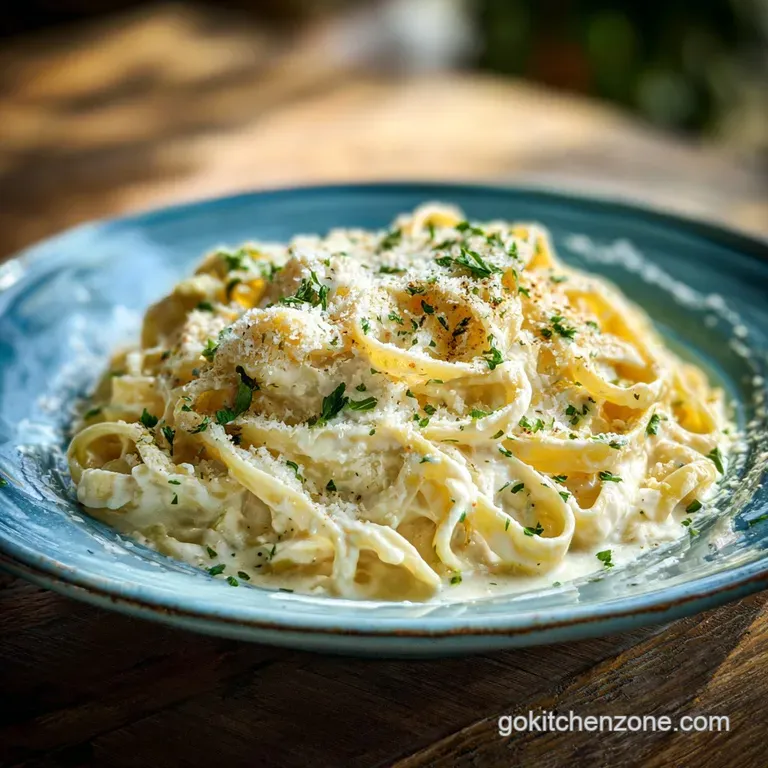
- Time: Active 5 minutes, Passive 15 minutes, Total 20 minutes
- Flavor/Texture Hook: Velvety, rich, and garlicky sauce with a savory cheese finish.
- Perfect for: A quick weeknight dinner struggle or a reliable copycat meal.
- Authentic Olive Garden Fettuccine Alfredo Recipe
- Why This Creamy Method Works
- The Chemistry of Creamy Components
- Primary Ingredients and Smart Swaps
- Necessary Kitchen Tools and Gear
- Instructions for a Velvety Finish
- Troubleshooting Your Alfredo Sauce
- Flavorful Variations and Protein Additions
- Scaling and Adjustment Guidelines
- Reheating and Zero Waste Guidelines
- Ideal Sides and Pairing Options
- Recipe FAQs
- 📝 Recipe Card
Authentic Olive Garden Fettuccine Alfredo Recipe
The first time I tried making a white sauce at home, it was a disaster. I remember the sizzle of the butter and the hopeful aroma of garlic, but within minutes, the sauce had separated into a grainy mess with a yellow oil slick on top. It was far from that velvety, comforting plate I always ordered at the restaurant.
I realized then that a great alfredo isn't just about dumping cream and cheese together; it's about the physics of the emulsion.
We've all had that weeknight dinner struggle where we just want something reliable and fast. This copycat version happens to be one of the most requested meals in my house because it actually stays creamy even as it cools on the plate.
Most recipes skip the stabilizer, but we're using a small amount of cream cheese to ensure the sauce never breaks. You’ll get that exact restaurant mouthfeel without the twenty dollar price tag or the wait time.
This isn't just another pasta dish; it’s a solution for when you need a high impact meal with minimal effort. We're focusing on the ratio of fats to proteins to make sure the sauce is thick enough to coat the noodles without turning into a solid block of cheese.
Trust me on this, once you see how the Romano and Parmesan melt into the warm cream, you'll never go back to the jarred stuff.
Why This Creamy Method Works
Emulsion Stability: The addition of softened cream cheese acts as a bridge between the fats in the butter and the liquids in the cream, preventing separation. This ensures the sauce remains smooth and cohesive even when subjected to the high heat of the pasta.
Casein Suspension: Grating your own cheese provides pure protein that melts at a lower temperature than pre shredded varieties coated in potato starch. This prevents that gritty, "sand like" texture often found in failed sauces.
Starch Integration: Using sea salt in the boiling water doesn't just season the noodles; it alters the surface of the pasta, allowing the garden fettucine alfredo to "grip" the strands instead of sliding off into the bottom of the bowl.
Fat to Protein Ratio: Balancing the 1.5 cups of heavy whipping cream with a mix of Parmesan and Romano provides enough moisture to keep the proteins suspended, resulting in a sauce that is thick but still pourable.
| Method | Time | Texture | Best For |
|---|---|---|---|
| Traditional Stovetop | 20 minutes | Velvety and balanced | Maximum flavor control |
| One Pot Method | 25 minutes | Ultra starchy and thick | Minimizing dish cleanup |
| Slow Simmer | 35 minutes | Deep garlic infusion | Meal prep and large batches |
If you want a lighter version of this dish, it's helpful to look at how we balance fats in other recipes. For instance, the technique of layering flavors is similar to what I use in my Stuffed Chicken Marsala recipe, where the sauce needs to complement the protein without overwhelming it.
The Chemistry of Creamy Components
| Ingredient | Science Role | Pro Secret |
|---|---|---|
| Heavy Whipping Cream | Primary Fat Carrier | Use room temperature cream to prevent the butter from seizing when combined. |
| Parmesan Cheese | Flavor and Structure | Grate it on a microplane to create "cheese snow" that melts instantly into the sauce. |
| Romano Cheese | Sharpness and Acidity | This cheese has a lower melting point than Parmesan, providing a smoother initial melt. |
| Garlic | Aromatic Complexity | Mince it fresh; jarred garlic lacks the sulfuric compounds that provide that punchy finish. |
Choosing the right pasta is just as important as the sauce itself. While we're using fettuccine here, the way the sauce interacts with the starch is very similar to the coating process used in a classic Eggplant Parmesan recipe. The goal is a uniform layer that stays put rather than pooling at the bottom of the dish.
Primary Ingredients and Smart Swaps
To make this olive garden fettucine alfredo, you will need the following components:
- 1 lb dried fettuccine: The classic wide noodle for maximum sauce surface area.
- 0.5 cup unsalted butter: Provides the rich base; avoid margarine as it contains too much water.
- 1.5 cups heavy whipping cream: High fat content is non negotiable for the right thickness.
- 2 oz full fat cream cheese: Acts as our secret stabilizer for the emulsion. Why this? It prevents the sauce from breaking into oil and solids.
- 1 cup freshly grated Parmesan cheese: Offers the salty, nutty backbone of the sauce.
- 0.5 cup freshly grated Romano cheese: Adds a sharp, tangy bite that mimics the restaurant flavor.
- 2 cloves garlic: Freshly minced to provide an aromatic punch.
- 2 tbsp sea salt: For seasoning the pasta water deeply.
- 0.25 tsp each salt and black pepper: For final seasoning adjustments.
| Original Ingredient | Substitute | Why It Works |
|---|---|---|
| Heavy Cream | Half and Half + 1 tsp cornstarch | Lower fat but cornstarch mimics the thickness. Note: Less rich mouthfeel. |
| Romano Cheese | Extra Parmesan + Lemon Zest | Parmesan provides the salt; lemon adds the missing Romano tang. |
| Cream Cheese | Mascarpone | Similar fat content and stabilization properties with a sweeter finish. |
The foundation of any great pasta meal often starts with the side dishes. I frequently serve this alongside a crisp salad to cut through the richness. If you want to go full restaurant mode, you can try making an Olive Garden Salad recipe to serve at the start of the meal.
Necessary Kitchen Tools and Gear
You don't need a gourmet kitchen for this, but a few specific tools make the difference between a grainy mess and a silky sauce. I always reach for a wide, heavy bottomed skillet rather than a deep pot for the sauce.
The increased surface area allows the cream to reduce slightly faster and gives you more room to toss the pasta without breaking the long strands of fettuccine.
A high-quality cheese grater is your best friend here. Don't even bother with the pre shredded stuff in bags; it's coated in cellulose to keep it from clumping, which is exactly what prevents it from melting smoothly into your alfredo.
A microplane or the finest side of a box grater will give you that "fluffy" cheese that disappears into the cream the moment it hits the pan.
Chef's Tip: Freeze your block of Parmesan for 10 minutes before grating. It hardens the fats and makes it much easier to shred without the cheese turning soft and mushy in your hands.
Instructions for a Velvety Finish
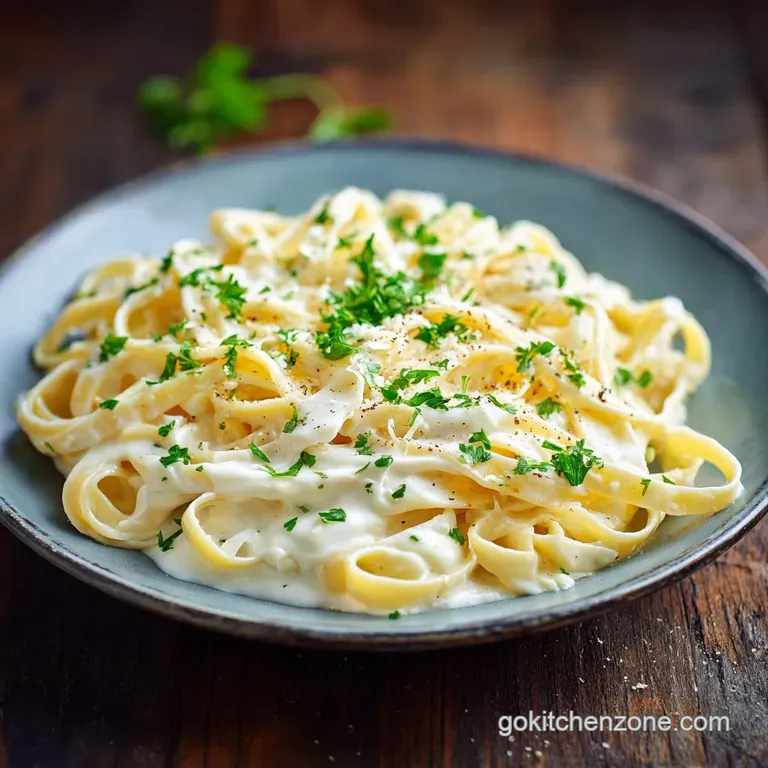
Boiling the Fettuccine
Bring a large pot of water to a rolling boil. Add 2 tbsp sea salt it should taste like the ocean to properly season the pasta from the inside out. Add 1 lb dried fettuccine and cook until just al dente, usually about 10-12 minutes.
Note: Al dente is crucial because the pasta will finish cooking in the sauce.
Infusing Garlic Butter
While the pasta boils, place a large skillet over medium low heat. Add 0.5 cup unsalted butter and let it melt until it begins to sizzle gently. Stir in 2 cloves finely minced garlic. Cook for 1 minute until the garlic is fragrant but not browned, as burnt garlic will turn the sauce bitter.
Simmering the Cream Base
Pour 1.5 cups heavy whipping cream into the skillet with the garlic butter. Whisk in 2 oz cubed, softened cream cheese. Simmer over medium low heat for about 5 minutes. Whisk constantly until the cream cheese has completely melted and the liquid is smooth.
Emulsifying the Cheese
Reduce the heat to low. Gradually whisk in 1 cup freshly grated Parmesan and 0.5 cup freshly grated Romano. Add the cheese in small handfuls, whisking between each addition. Continue until the cheese has fully melted and the sauce is thick enough to coat the back of a spoon.
Finishing the Toss
Drain the fettuccine, but do not rinse it. Transfer the hot pasta directly into the skillet with the sauce. Use tongs to toss the noodles, ensuring every strand is coated. Add 0.25 tsp salt and 0.25 tsp ground black pepper. Serve immediately until the sauce begins to cling tightly to the pasta.
Troubleshooting Your Alfredo Sauce
Fixing Grainy Sauce
If your sauce looks like it has tiny sand particles in it, the cheese likely clumped because the heat was too high. This happens when the proteins in the cheese shrink and squeeze out the fat.
You can sometimes save this by adding a splash of hot pasta water and whisking vigorously off the heat to bring the emulsion back together.
Rescuing a Sauce That's Too Thick
Alfredo thickens incredibly fast as it cools. If you find the pasta is becoming a solid mass before it hits the table, you need more liquid. Always reserve about half a cup of the starchy pasta water before draining.
Adding this back into the pan a tablespoon at a time will loosen the sauce while the starch helps it stay silky.
| Problem | Root Cause | Solution |
|---|---|---|
| Sauce is watery | Cream didn't reduce enough | Simmer for 2 more mins before adding cheese. |
| Oil pools on top | Sauce has broken (overheated) | Remove from heat and whisk in 1 tbsp cold cream. |
| Cheese won't melt | Pre shredded cheese used | Whisk over very low heat; next time, grate fresh. |
Common Mistakes Checklist
- ✓ Never boil the sauce once the Parmesan has been added; high heat causes graininess.
- ✓ Ensure the cream cheese is fully softened at room temperature before adding to the skillet.
- ✓ Don't rinse your pasta; the starch on the surface is what helps the sauce stick.
- ✓ Warm your serving bowls in a low oven to prevent the sauce from seizing upon contact.
- ✓ Grate your cheese as finely as possible to ensure a rapid, even melt.
Flavorful Variations and Protein Additions
While the classic version is iconic, this base is incredibly flexible. If you want to turn this into an olive garden chicken fettuccine alfredo, simply sear two chicken breasts with Italian seasoning and slice them thinly to place on top.
For a seafood twist, sautéed shrimp with a squeeze of lemon juice cuts through the heavy cream perfectly.
Adding Quick Cooked Proteins
For a faster weeknight version, I often use leftover rotisserie chicken or even crispy pancetta. If you add pancetta, sauté it first in the pan and use the rendered fat to replace half of the butter.
This creates a deeper, smokier flavor profile that elevates the garden fettucine alfredo into something much more complex.
Meeting Dietary Needs
If you need to make this gluten-free, swap the fettuccine for a high-quality brown rice or corn based pasta. Because the sauce itself is naturally gluten-free (as we use cream and cheese for thickening rather than a flour based roux), it’s a very safe option for those with sensitivities.
For a lower carb version, this sauce is actually fantastic over roasted cauliflower or zucchini noodles.
Scaling and Adjustment Guidelines
If you are cooking for a crowd or just a solo dinner, the ratios in this recipe are easily adjusted. For a half batch, simply halve every ingredient, but keep the garlic at two cloves one clove never seems like enough.
When scaling down, use a smaller pan to prevent the cream from evaporating too quickly and becoming overly salty.
For doubling the recipe (feeding 8 people), increase the liquids and cheeses proportionally, but be careful with the salt. I recommend only using 1.5x the amount of salt and pepper initially, then tasting at the end.
When working with large volumes of cream, the reduction happens slower, so you may need an extra 3-4 minutes of simmering time to reach the desired thickness.
| Group Size | Pasta Amount | Cream Amount | Pan Size |
|---|---|---|---|
| 2 People | 0.5 lb | 0.75 cup | 10 inch skillet |
| 4 People | 1 lb | 1.5 cups | 12 inch skillet |
| 8 People | 2 lbs | 3 cups | Large Dutch oven |
Reheating and Zero Waste Guidelines
Alfredo is notorious for being difficult to reheat because the fats separate easily in the microwave. The trick is to avoid high, direct heat. To store, keep the pasta and sauce in an airtight container in the fridge for up to 3 days.
I don't recommend freezing this dish, as the cream and cheese texture will shatter and become unpleasantly grainy upon thawing.
To reheat, place the leftovers in a skillet over low heat. Add a splash of milk or extra cream (about 1 tablespoon per serving) to loosen the sauce. Stir gently and constantly until just warmed through. This low and slow approach prevents the butter from separating into an oil puddle.
If you have leftover sauce but no pasta, use it as a dip for breadsticks or a topping for baked potatoes.
Don't throw away those cheese rinds! The hard ends of the Parmesan and Romano blocks are packed with umami. Toss them into your next batch of vegetable soup or minestrone. They won't melt, but they will infuse the broth with a savory depth that you can't get from salt alone.
Ideal Sides and Pairing Options
To balance the decadence of the olive garden fettuccine alfredo, you need something with high acidity or a crisp texture. A simple arugula salad with a lemon vinaigrette works wonders. The peppery bite of the greens cuts right through the fat of the heavy cream and cheese.
If you're looking for a more substantial meal, steamed broccoli or roasted asparagus are classic choices. I like to toss the vegetables directly into the pasta at the very end. The florets act like little sponges, soaking up the extra alfredo sauce.
For a complete "garden" experience, serving this with warm garlic bread is non negotiable you’ll need it to swipe up every last drop of that velvety sauce from the plate.
Flavor Profile Myths
- Myth: You must use a roux (flour and butter) to thicken alfredo.
- Truth: Real Italian style alfredo and the popular copycat versions rely on the reduction of cream and the emulsification of cheese for thickness. Adding flour creates a "Béchamel" sauce, which is heavier and tastes more like paste than cheese.
- Myth: Pre grated cheese is "just as good."
- Truth: Pre shredded cheese contains anti caking agents like cellulose. These prevent the cheese from fully integrating into the liquid, which is the number one cause of a lumpy or gritty sauce. Always grate from the block for this specific recipe.
Recipe FAQs
What makes Olive Garden's Alfredo so good?
It’s the heavy, stabilized cream base. They use a high fat mixture, often incorporating cream cheese or a similar stabilizer, which prevents the sauce from separating when it cools or sits on the pasta. This creates that signature, clingy velvet texture.
Does Olive Garden use jarred Alfredo sauce?
No, they do not use jarred sauce. Restaurants of that caliber rely on fresh, high fat ingredients like heavy cream and freshly grated cheese to build the emulsion in house. Jarred sauces typically use thickeners that result in a less luxurious mouthfeel.
Is the Fettuccine Alfredo good at Olive Garden?
Yes, it is generally considered their signature, excellent dish. It’s beloved for being incredibly rich, garlicky, and perfectly coating every strand of fettuccine. It's a benchmark for creamy American Italian pasta.
What is the unhealthiest food at Olive Garden?
The Fettuccine Alfredo is consistently one of the most calorie dense and high fat options. Due to the large volume of heavy cream, butter, and cheese, it racks up high counts in saturated fat and sodium per serving.
How to make Olive Garden Alfredo sauce without heavy cream?
Reduce half and-half using a light starch slurry. Mix half and-half with about one teaspoon of cornstarch or arrowroot powder per cup and let it simmer gently until thickened before adding cheese. If you enjoyed controlling the fat ratio here, see how the same principle applies in our Creamy Herb Pasta recipe for a slightly lighter base.
How do I prevent my homemade Alfredo sauce from becoming grainy?
Remove the pan from the heat immediately before stirring in the grated cheese. High, direct heat causes the proteins in the cheese to tighten up and expel their fat, creating a grainy texture. If you master this temperature control here, it’s the same precision needed when mastering the emulsion in a Pasta Primavera Recipe.
How much cheese is in Olive Garden Alfredo sauce?
It uses a substantial blend of Parmesan and Romano, typically totaling over one cup for a standard portion. This high ratio of cheese to liquid is what creates the necessary thickness without relying solely on a flour based roux.
Copycat Alfredo Recipe
Ingredients:
Instructions:
Nutrition Facts:
| Calories | 1115 kcal |
|---|---|
| Protein | 29.9 g |
| Fat | 71.1 g |
| Carbs | 88.1 g |
| Fiber | 3.4 g |
| Sugar | 3.1 g |
| Sodium | 772 mg |
