Chili Recipe with Chili Con Carne: Velvety & Smoky
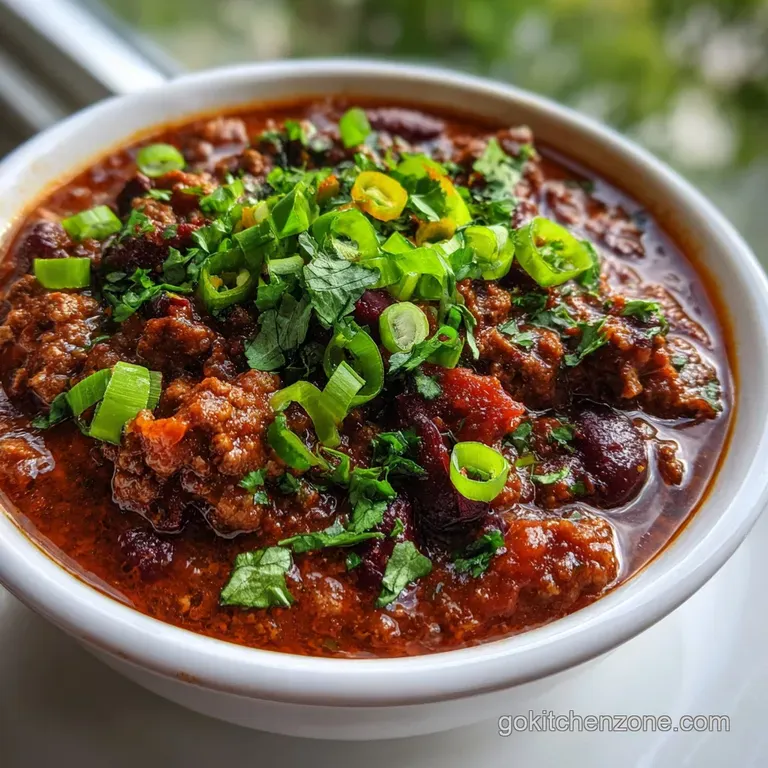
- Time: Active 15 minutes, Passive 1 hours, Total 1 hours 15 mins
- Flavor/Texture Hook: Velvety, smoky, and deeply savory
- Perfect for: Busy weeknights and budget-friendly family gatherings
- Why This Meat Stew Works
- Deep Dive Into Components
- The Pot Pantry List
- Kitchen Tools You Need
- Cooking Step By Step
- Fixing Your Chili Batch
- Changing The Serving Size
- Tasty Substitutes And Tweaks
- Storage And Saving Scraps
- What Pairs With Chili
- Kitchen Myths Debunked
- High in Sodium (⚠️)
- Recipe FAQs
- 📝 Recipe Card
Have you ever stood over a pot of ground beef, staring at that grayish puddle of liquid and wondering why it doesn't smell like the Texas roadside diner of your dreams? I've been there, more times than I'd like to admit. For years, my chili was either a watery mess or so spicy it felt like a dare rather than a meal.
I finally realized that the secret wasn't just in the heat, but in how we treat the fat and the spices before the liquid even touches the pan.
This recipe came together on a soggy Tuesday when I realized I’d forgotten to start the slow cooker. I had an hour until the family would start circling the kitchen like hungry sharks.
By treating the spices like aromatics and adding a pinch of something bitter to balance the acidic tomatoes, I accidentally stumbled onto the most reliable version of this dish I've ever made. It’s thick enough to stand a spoon in and has a depth that usually takes all day to achieve.
Right then, let's get into what actually makes this dish tick. We're moving past the "dump and stir" method and looking at how to build layers of flavor that actually stay on your palate. You won't need any fancy gadgets here, just a heavy pot and a little bit of patience while the beef does its thing.
Why This Meat Stew Works
- Maillard Mastery: Searing the 2 lbs Ground Beef Chuck creates complex sugar protein bonds that provide a savory base liquid can't replicate.
- Spice Blooming: Frying the 3 tbsp Chili Powder and 1 tbsp Ground Cumin in oil releases fat soluble volatile oils, intensifying the aroma.
- The Cocoa Catalyst: 1 tsp Unsweetened Cocoa Powder provides a bitter counterpoint to the sweetness of the 28 oz Crushed Tomatoes.
- Starch Suspension: The 15 oz Red Kidney Beans release natural starches during the simmer, acting as a built in thickener for the sauce.
The Science of Fat Soluble Flavor
Most of the punch in chili comes from compounds that don't dissolve well in water but love oil. By "blooming" your spices in the rendered beef fat for sixty seconds, you're essentially extracting the maximum flavor profile before adding the stock.
| Method | Time | Texture | Best For |
|---|---|---|---|
| Stovetop | 1 hour | Velvety and thick | Quick weeknight hunger |
| Oven (150°C) | 2 hours | Concentrated, dark crust | Weekend meal prep |
| Slow Cooker | 6 hours | Fall apart tender | Set it and forget it |
The comparison above shows that while the oven offers a great crust, the stovetop method is the winner for everyday reliability. It gives you the most control over the reduction, ensuring you never end up with a bowl of soup when you wanted a hearty stew.
Deep Dive Into Components
| Ingredient | Science Role | Pro Secret |
|---|---|---|
| Ground Beef Chuck | Fat delivery | Choose 15-20% fat; lean meat turns into dry pebbles in chili. |
| Tomato Paste | Umami booster | Fry it until it turns brick red to remove the metallic "can" taste. |
| Worcestershire Sauce | Salt/Acid balance | It contains fermented anchovies which add a "meaty" depth you can't see. |
| Yellow Onion | Structural base | Dice it small so it melts into the sauce rather than staying crunchy. |
Wait, I know what you're thinking. "Anchovies in my chili?" Trust me on this one. It's the same logic behind the Beef Stew Crock recipe where a few hidden ingredients do all the heavy lifting for the flavor profile. It's about building a foundation of umami that makes people ask for your secret.
The Pot Pantry List
- 2 lbs Ground Beef Chuck (15-20% fat): Substitute with ground turkey if needed, but add a splash more oil. Why this? The fat content ensures the meat stays juicy during the long simmer.
- 1 large Yellow Onion: Use white onion if you want a sharper bite.
- 1 medium Red Bell Pepper: Green bell pepper works for a more earthy, less sweet vibe.
- 4 cloves Garlic: Use 1 tsp garlic powder in a pinch, though fresh is superior.
- 1 tbsp Olive Oil: Any neutral oil like avocado or vegetable oil works fine.
- 3 tbsp Chili Powder: Substitute with Ancho chili powder for less heat. Why this? It's the primary driver of that classic "con carne" flavor profile.
- 1 tbsp Ground Cumin: Toasted coriander is a decent backup but cumin is king here.
- 1 tsp Smoked Paprika: Liquid smoke (2 drops) can work if you lack the powder.
- 1 tsp Dried Oregano: Fresh oregano is fine, just triple the amount.
- 1 tsp Unsweetened Cocoa Powder: A square of very dark chocolate (85%) also does the trick.
- 1.5 cups Beef Stock: Chicken stock or even water with a bouillon cube works.
- 28 oz Crushed Tomatoes: Diced tomatoes work but will result in a chunkier, thinner sauce.
- 2 tbsp Tomato Paste: No real sub here; it’s vital for the thickness.
- 15 oz Red Kidney Beans: Black beans or pinto beans are great alternatives.
- 1 tbsp Worcestershire Sauce: Soy sauce is a functional, though less complex, substitute.
- 0.5 tsp Salt & 0.5 tsp Black Pepper: Adjust at the very end to your taste.
Kitchen Tools You Need
You don't need a gadget filled kitchen for a great chili recipe with chili con carne. I usually reach for my heavy bottomed Dutch oven. The thick walls hold heat consistently, which prevents the bottom from scorching while you're busy helping with homework or catching up on a show.
A simple wooden spoon is your best friend here it’s sturdy enough to scrape those flavorful browned bits (the fond) off the bottom of the pot.
If you don't have a Dutch oven, any large, heavy pot will do. Avoid thin stainless steel pots if possible; they have hot spots that can burn the tomato paste before the meat is even cooked through. You'll also need a decent chef's knife for the onion and pepper.
Honestly, don't bother with a garlic press smashed and minced garlic tastes better and is one less thing to clean.
Cooking step-by-step
1. The Maillard Browning Phase
Heat the 1 tbsp Olive Oil in your pot over medium high heat. Add the 2 lbs Ground Beef Chuck, breaking it apart with your spoon. Let it sit undisturbed for 3 minutes until a brown crust forms on the bottom.
Note: This browning is where the flavor lives; don't just gray the meat.
2. Sautéing the Aromatics
Add the 1 large Yellow Onion and 1 medium Red Bell Pepper to the beef. Cook for 5 minutes until the onion is translucent and soft. Note: The moisture from the veggies will help loosen the bits stuck to the bottom.
3. Blooming the Spices
Stir in the 4 cloves Garlic, 3 tbsp Chili Powder, 1 tbsp Ground Cumin, 1 tsp Smoked Paprika, 1 tsp Dried Oregano, and 1 tsp Unsweetened Cocoa Powder. Cook for 1 minute until the kitchen smells like a spice market.
4. Deglazing the Pot
Add the 2 tbsp Tomato Paste and 1 tbsp Worcestershire Sauce. Stir well for another minute, then pour in the 1.5 cups Beef Stock. Use your spoon to scrape up every last bit of flavor from the bottom.
5. The Gentle Simmer
Pour in the 28 oz Crushed Tomatoes and the 15 oz Red Kidney Beans. Bring the mixture to a boil, then immediately turn the heat down to low. Cover the pot halfway with a lid.
6. Developing the Body
Simmer for 45 minutes to 1 hour, stirring occasionally. You want the liquid to reduce until the sauce is thick and glossy.
7. The Finishing Touch
Taste the chili. Add the 0.5 tsp Salt and 0.5 tsp Black Pepper now. Note: Spices concentrate as they simmer, so always season at the end to avoid an oversalted pot.
8. The Resting Period
Turn off the heat and let the pot sit for 10 minutes before serving. This allows the fibers in the beef to relax and soak up the sauce, making it incredibly tender.
Fixing Your Chili Batch
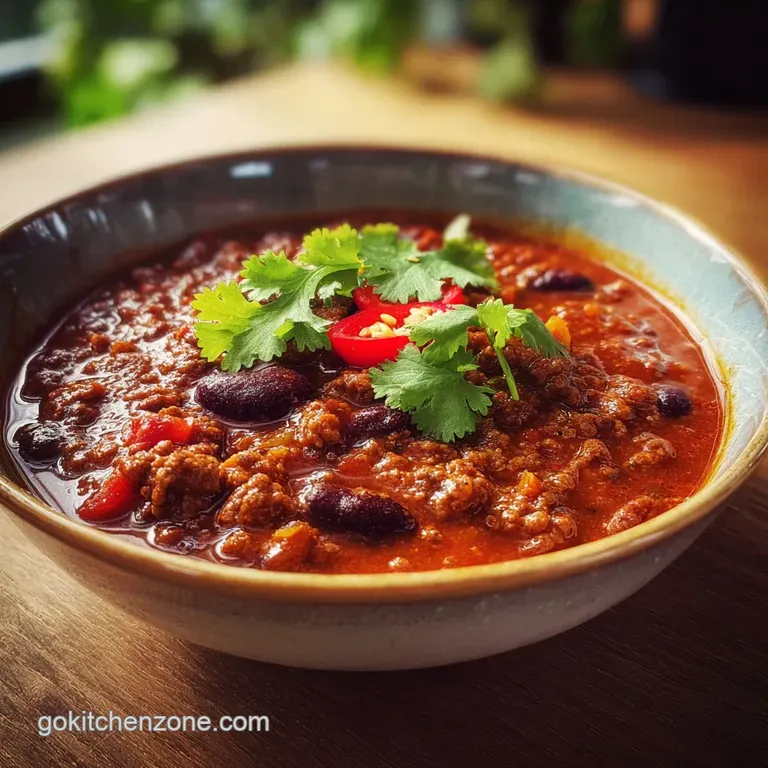
Sometimes things don't go exactly to plan. Maybe you got distracted and the liquid evaporated too fast, or perhaps your tomatoes were extra watery. It happens to everyone. The beauty of this chili recipe with chili con carne is that it’s incredibly forgiving if you know how to pivot.
If Your Chili is Too Thin
This usually happens if the lid was on too tight or the heat was too low. The easiest fix is to take a half cup of the beans from the pot, mash them into a paste with a fork, and stir them back in. The natural starches will act as a thickener without changing the flavor.
You could also just simmer it uncovered for another 15 minutes to let the steam escape.
If the Spices Taste Bitter
This often happens if the garlic or the spices burned during the blooming phase. To fix a bitter edge, add a teaspoon of brown sugar or honey. The sweetness won't make the chili "sweet," but it will neutralize the harshness of the overcooked spices.
| Problem | Root Cause | Solution |
|---|---|---|
| Greasy surface | Low quality meat | Lay a paper towel on top to soak up the oil. |
| Bland flavor | Lack of salt/acid | Add a squeeze of lime juice or another splash of Worcestershire. |
| Meat is tough | Simmered too fast | Add 1/2 cup water and simmer on low for another 20 minutes. |
Actually, most "bland" chili problems are just a lack of acid. Just like in our Panera Mac and recipe, where the tang of the cheese carries the weight, a little hit of lime or vinegar at the end of a chili simmer can make the whole pot "wake up."
Common Mistakes Checklist
- ✓ Don't drain every drop of beef fat; it carries the spice flavor.
- ✓ Never add the garlic at the same time as the beef; it will burn and turn acrid.
- ✓ Avoid using "taco seasoning" packets; the cornstarch in them creates a weird, gluey texture.
- ✓ Let the meat brown properly if you don't hear a sizzle, the pan isn't hot enough.
- ✓ Stir the bottom frequently during the last 20 minutes to prevent the tomato paste from catching.
Changing The Serving Size
If you’re cooking for a crowd or just yourself, this recipe scales quite well. For a double batch (12 servings), use a large stockpot. You don't need to double the oil 2 tablespoons is plenty to brown 4 lbs of beef. However, be careful with the liquid.
I usually only use 2.5 cups of beef stock instead of 3 when doubling, as a larger volume of meat releases more internal moisture.
When cutting the recipe in half for a solo meal or a couple, use a smaller saucepan. You'll need to reduce the simmer time by about 10 to 15 minutes because the smaller volume will reach the desired thickness much faster. If you’re using half an egg for any reason wait, no eggs here!
Just remember to use a smaller onion or you'll overwhelm the meat.
| Premium | Budget | Flavor Impact | Savings |
|---|---|---|---|
| Beef Short Rib | Ground Chuck | Ground chuck is more uniform | Save $15-20 |
| Fresh Heirloom Tomatoes | Canned Crushed | Canned is more consistent | Save $5-8 |
| Dried Whole Chiles | Chili Powder | Powder is faster and reliable | Save $4 |
Tasty Substitutes And Tweaks
- For a Smoky Chipotle Twist: Add 2 finely chopped chipotle peppers in adobo sauce during the aromatic phase. It adds a lingering heat that standard chili powder lacks.
- To Make It Even Easier: Use a jar of pre diced mirepoix (onions, carrots, celery) if you're really short on prep time. It's a classic shortcut that works wonders.
- For a Texas Vibe: Some purists insist on "no beans." If that's you, simply omit the kidney beans and increase the beef to 3 lbs. You'll need to simmer it a bit longer to ensure the sauce reduces properly.
If you find yourself with leftover beans and spices, you might want to try our Pinto Bean Soup recipe for a completely different flavor profile that uses similar pantry staples. It's a great way to use up those extra cans in the cupboard.
Storage And Saving Scraps
Chili is famous for being better on day two. The flavors have time to meld, and the spices mellow out into a cohesive, savory profile. Store your leftovers in an airtight container in the fridge for up to 4 days.
When reheating, do it on the stovetop over low heat, adding a splash of water or stock to loosen the sauce back up.
For freezing, this dish is a superstar. It stays fresh for up to 3 months in freezer safe bags. Chef's Tip: Freeze it flat in gallon bags to save space and speed up the thawing process.
To avoid waste, don't toss the onion skins or pepper tops; throw them in a bag in the freezer to make your own beef or vegetable stock later. Even the liquid from the canned beans can be used to thicken other soups!
What Pairs With Chili
In my house, chili isn't a meal without something to dip into it. A classic hunk of cornbread is the standard, but if you want something a bit more decadent, try serving it alongside a bowl of white cheddar pasta. The creamy sauce of a Panera Mac and recipe cuts right through the smoky heat of the chili con carne.
Other great toppings include: Cold Sour Cream: To temper the spice. Sharp Cheddar: Shred it yourself so it actually melts. Pickled Jalapeños: For a bright, vinegary pop. Fresh Cilantro: To add a bit of freshness to the heavy stew.
Chef Note: If you have leftovers, try spooning the cold chili over a baked potato or using it as a filling for stuffed peppers. It’s the ultimate "zero waste" ingredient that transforms into a completely new meal with very little effort.
Kitchen Myths Debunked
One of the biggest myths is that you have to cook chili for six hours to get deep flavor. While low and slow is great for tough cuts like brisket, ground beef chuck is already broken down. The long simmer is actually for the sauce to reduce and the spices to integrate.
An hour is the "sweet spot" anything more and the beef can actually start to lose its texture and turn into mush.
Another common misconception is that searing the meat "seals in the juices." Science tells us that's not true; moisture still escapes. However, that browning (the Maillard reaction) creates hundreds of new flavor compounds that didn't exist in the raw meat.
That's why we don't just "cook" the meat we sear it until it's dark and crackling. That is the true secret to an authentic tasting chili.

High in Sodium (⚠️)
895 mg mg of sodium per serving (39% of daily value)
American Heart Association recommends limiting sodium intake to about 2,300mg per day.
Tips to Reduce Sodium in Your Chili
-
Low-Sodium Broth-30%
Swap regular beef stock with low-sodium or no-salt added beef broth. This can significantly cut down the sodium content without sacrificing flavor.
-
Rinse and Choose Beans-20%
Rinse the canned kidney beans thoroughly before adding them to the chili. Alternatively, use dried kidney beans (soaked and cooked) for even greater sodium control.
-
No-Salt Added Tomatoes-15%
Use no-salt added crushed tomatoes and tomato paste. Many brands offer these options, which can substantially lower the sodium in the recipe.
-
Reduce Added Salt-25%
Reduce the amount of added salt (currently 0.5 tsp). Start with a quarter teaspoon or less and adjust to taste after the chili has simmered.
-
Spice It Up
Enhance flavor with fresh herbs and spices instead of relying on salt. Increase the amount of chili powder, cumin, smoked paprika, dried oregano, and cocoa powder to boost flavor.
-
Limit Worcestershire Sauce-10%
Worcestershire sauce contributes to the sodium content. Use only a small amount or substitute with a homemade version using low-sodium ingredients.
Recipe FAQs
What is the difference between chili and chili con carne?
Chili con carne is a specific type of chili. "Chili" is a broad term for stews with chili peppers and other ingredients, while "chili con carne" literally means "chili with meat," specifically referring to a chili made with ground beef and chili peppers.
What's the secret to really good chili?
Properly browning the meat and blooming the spices are key. Searing the beef develops complex flavors through the Maillard reaction, and cooking spices in fat releases their volatile oils for maximum aroma and taste.
If you enjoyed mastering the sensory doneness cues here, apply them to our Roast Chicken recipe for perfect results.
Is there chili in chili con carne?
Yes, absolutely. The name "chili con carne" directly translates to "chili with meat," and chili peppers (or chili powder) are fundamental ingredients that define the dish.
How to use chili con carne?
Serve it hot as a hearty main course. It's traditionally topped with cheese, sour cream, or onions and can be eaten on its own, over rice, or as a filling for baked potatoes or tacos. This pairs perfectly with a side of Cornbread.
Can I make chili con carne vegetarian?
Yes, by substituting the meat. You can use a mix of beans (like black, pinto, and kidney) and vegetables such as mushrooms, zucchini, or plant based crumbles for a delicious meatless version.
How long does chili con carne last in the fridge?
Up to 4 days in an airtight container. Flavors often meld and improve overnight, making leftovers particularly delicious. Reheat gently on the stovetop.
Can I freeze chili con carne?
Yes, it freezes exceptionally well for up to 3 months. Allow it to cool completely before transferring to freezer safe bags or containers. Freezing it flat in bags can speed up thawing and save space.
Chili Con Carne Recipe
Ingredients:
Instructions:
Nutrition Facts:
| Calories | 468 kcal |
|---|---|
| Protein | 34.5 g |
| Fat | 25.2 g |
| Carbs | 26.8 g |
| Fiber | 8.4 g |
| Sugar | 8.2 g |
| Sodium | 895 mg |
